
The Sensory Journey of Textiles: Touch, Sound & Scent of Fabric
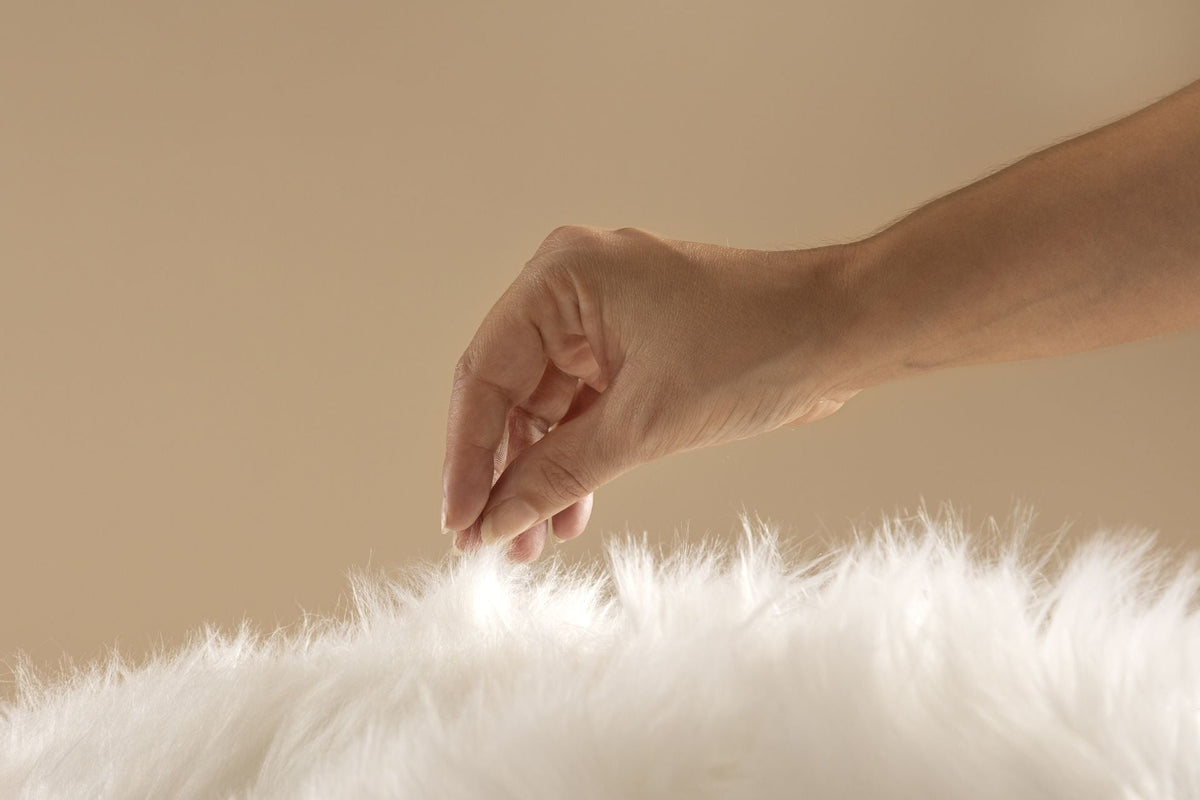
Textiles are more than visual elements—they engage the senses in powerful ways. Beyond colour and design, fabric touch, sound, and scent influence how we perceive comfort, luxury, and quality. From the softness of chiffon to the crisp rustle of taffeta, every textile creates a multisensory experience that shapes fashion, interiors, and emotional connection.
Touch: The Feel That Defines Fabric Quality
Touch is the first and most important sensory interaction with fabric. Known as fabric hand feel, it determines comfort, wearability, and perceived luxury.
What Influences Fabric Touch?
Fibre type
Natural fibres like cotton, silk, wool, and linen feel breathable and skin-friendly, while synthetics vary based on finish and blend.
Weave & structure
Satin weaves feel smooth, crepe feels grainy, and velvet offers plush softness.
Finish & treatment
Enzyme washes, softeners, and polishing treatments enhance smoothness and drape.
Why Touch Matters
- Directly affects garment comfort
- Influences purchasing decisions
- Signals fabric quality and craftsmanship
Soft, fluid fabrics suggest elegance, while structured textures convey strength and form.
Sound: The Subtle Voice of Fabric
Every fabric has a sound—often unnoticed, yet deeply impactful. The sound of fabric movement communicates texture, weight, and luxury.
Common Fabric Sounds
Taffeta & organza
Crisp rustle, often associated with couture and bridal wear
Denim & canvas
Muted stiffness, suggesting durability
Silk & satin
Soft whisper, enhancing elegance
Why Fabric Sound Matters
- Enhances the wearer’s sensory experience
- Adds drama and presence to movement
- Contributes to the perception of luxury
Designers often choose fabrics for their audible presence in runway and ceremonial garments.
Scent: The Memory Held in Fabric
Fabric scent plays a powerful role in emotion and memory. Textiles absorb and release fragrances from their environment, creating lasting impressions.
How Fabrics Hold Scent
Natural fibres (cotton, wool, silk) are porous and retain scent longer
Synthetic fibres may trap odours on the surface
Weave density and moisture levels affect scent retention
Why Scent Matters in Textiles
- Evokes emotion and nostalgia
- Enhances brand and retail experience
- Influences garment freshness and comfort
Proper fabric care and storage help maintain a pleasant textile scent.
The Role of Sensory Experience in Luxury Textiles
Luxury fabrics engage all senses seamlessly. A premium textile feels soft, moves gracefully, sounds refined, and smells fresh. These sensory cues create emotional value beyond appearance.
For fashion designers and interior stylists, sensory understanding ensures:
- Better fabric selection
- Enhanced customer satisfaction
- Elevated product storytelling
Sensory Awareness in Fabric Selection
When choosing fabrics, consider:
- How the fabric feels against skin
- How it sounds when it moves
- How it absorbs or releases scent
Testing fabrics physically helps ensure the right sensory balance for the intended use.
Textiles That Connect Emotion and Craft
The sensory journey of textiles reflects craftsmanship, fibre choice, and finishing excellence. When touch, sound, and scent align harmoniously, fabrics transcend function and become experiences.
At Tessuti, we curate fabrics that engage the senses—inviting designers and creators to craft garments and spaces that feel as beautiful as they look.
Comments