
How Artificial Intelligence is Changing the Fashion & Textile Industry
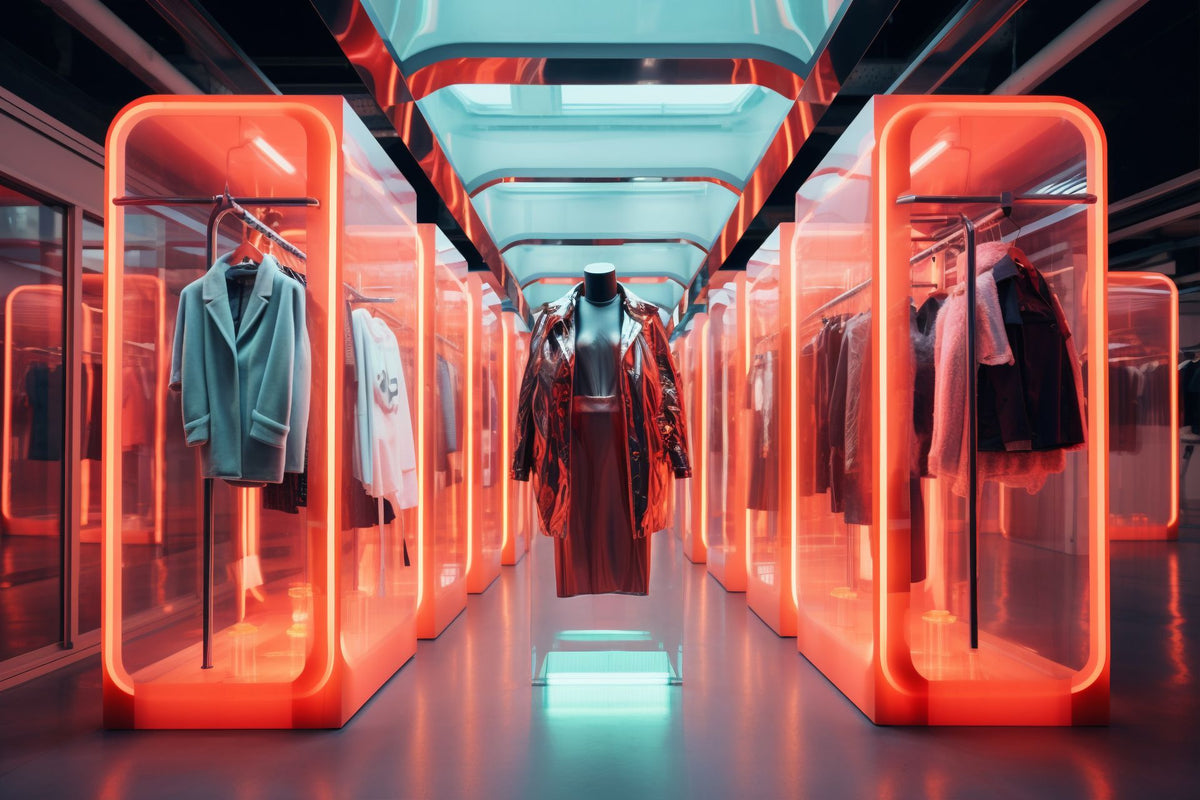
The fashion and textile industry is undergoing a digital revolution, and at the heart of it lies Artificial Intelligence (AI). From predicting next season’s trends to optimizing production and creating personalized shopping experiences, AI is transforming the way fashion operates.
Let’s dive into how AI is reshaping fashion and textiles — and why it matters to brands, designers, and consumers.
1. AI in Fashion Trend Forecasting
Fashion has always been about predicting what people want next. Traditionally, trend forecasting relied on manual research, runway shows, and intuition. AI changes this by:
- Analyzing Big Data: AI scans millions of social media posts, fashion blogs, and e-commerce sites to spot emerging patterns.
- Predicting Demand: Retailers use AI tools like Heuritech to predict what colors, prints, and fabrics will trend in upcoming seasons.
Impact on Textiles:
Fabric manufacturers can now produce prints and colors that align with future demand, reducing waste from unsold inventory.
2. AI in Fabric Design & Digital Printing
AI-powered tools can now generate unique textile patterns based on mood boards, cultural references, and customer inputs.
- Generative AI creates hundreds of design variations in minutes.
- Combined with digital printing, it enables on-demand production, reducing storage costs and fabric waste.
3. Smart Manufacturing & Quality Control
AI-driven automation is transforming textile production lines:
- AI Cameras detect weaving defects or color mismatches instantly.
- Robotic Systems optimize cutting and stitching, reducing fabric wastage by up to 15-20%.
- Predictive Maintenance: AI predicts when machines need servicing, preventing breakdowns and delays.
Faster, more accurate, and cost-efficient manufacturing.
4. Virtual Fitting Rooms & 3D Fashion Design
AI is changing how consumers shop for fabrics and garments:
- Virtual Try-On Apps allow customers to visualize outfits without physically wearing them.
- 3D Garment Simulation: Designers use AI-based software (e.g., CLO3D, Browzwear) to test how a fabric drapes before cutting.
Impact on Fabric Buyers:
You can now see how a printed satin will look as a gown or a linen as a co-ord set without actual stitching.
5. Personalized Fashion Recommendations
E-commerce platforms use AI recommendation engines to show fabrics or garments based on your style, color preferences, and previous purchases.
6. AI in Sustainability
AI helps brands go green:
- Demand Forecasting → Produces only what’s needed → Reduces overproduction.
- Supply Chain Optimization → Tracks fabric origin, ensuring ethical sourcing.
- AI in Recycling → Identifies fabric compositions for recycling and reuse.
Future Trend: AI + Blockchain for transparent, traceable fashion supply chains.
Why AI Matters in Fashion
Area
Trend Forecasting
Design
Manufacturing
Sustainability
Shopping
Before AI
Based on guesswork
Manual sketches
Labor-intensive
Limited control
In-store try-ons
After AI
Data-driven, accurate
AI-generated patterns
Automated & smart
AI-powered zero-waste
Virtual AI fitting
Comments