
Why Fabric Care is the New Sustainability
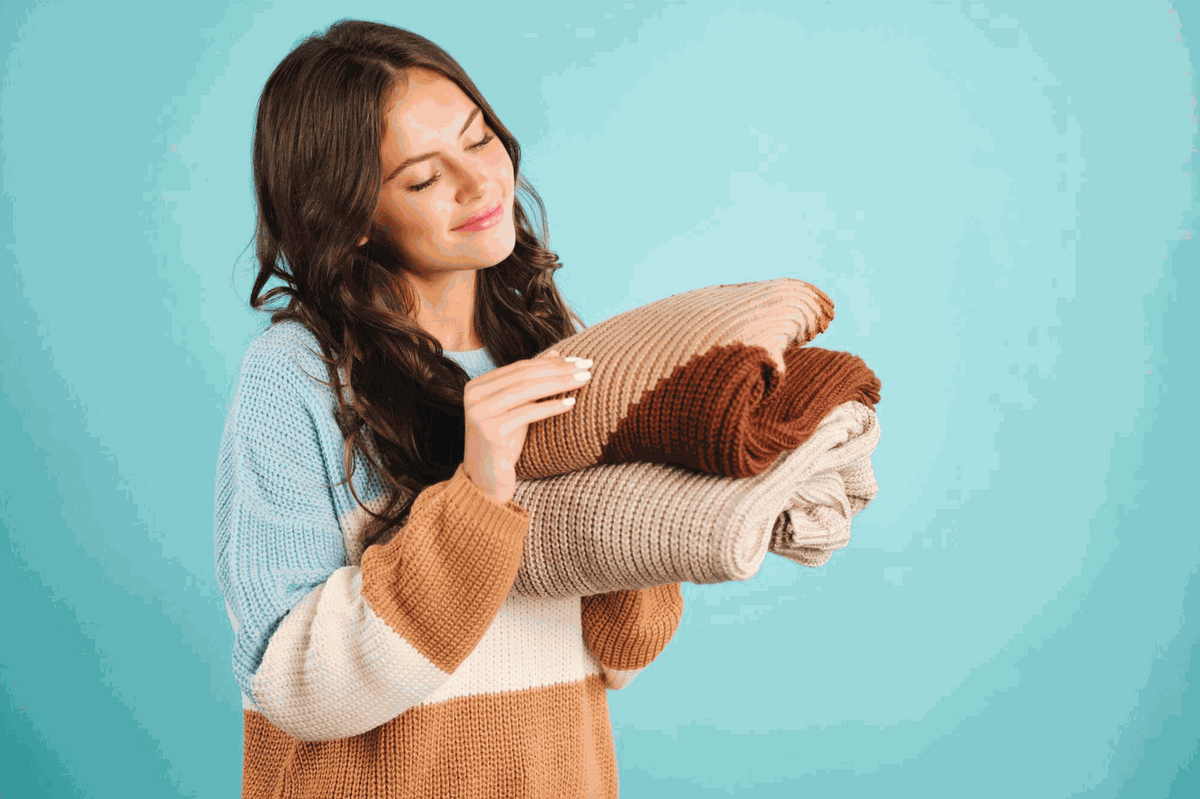
Sustainability isn’t just about how clothes are made — it’s also about how long they last.
While organic cotton, recycled polyester, and eco-dyes are vital, one major part of sustainability is often overlooked:
How we care for our fabrics after we buy them.
In today’s fast-paced world, fabric care is the new frontier of sustainable fashion. By learning to wash, store, and maintain our clothes mindfully, we reduce waste, save resources, and keep our garments beautiful for longer.
Why Does Fabric Care Matter?
Each garment that ends up in a landfill represents:
- Water used in dyeing and processing
- Energy spent in manufacturing and shipping
- Labour and craftsmanship involved
When we throw clothes away due to damage, shrinkage, fading, or wear, we’re wasting more than just fabric — we’re wasting the entire journey that brought that fabric to us.
Fabric care helps slow this cycle.
The Lifecycle of a Garment is in Your Hands
Most damage to clothing occurs after purchase — from incorrect washing, drying, ironing, or storage.
By learning how to properly care for:
- Natural fibres (like cotton, linen, wool)
- Delicate fabrics (like chiffon, satin, georgette)
- Blended or performance textiles
…you extend the lifespan of the garment by 2–3x, instantly reducing your carbon and water footprint.
Sustainable Fabric Care Saves More Than Clothes
Saves water & energy
Cold washes and air drying use less electricity
Reduces microplastic pollution
Washing less = less shedding from synthetics
Reduces chemical runoff
Natural detergents are safer for water systems
Saves money
Fewer replacements needed
The "Care First" Movement in Fashion
Leading sustainable fashion brands and eco-influencers now promote:
- Wear more, wash less philosophy
- Visible mending (patching clothes in stylish ways)
- Gentle cleaning and upcycling tips
- Clothing libraries and swap events
These movements prove that sustainability isn’t just a supply chain issue — it’s also a consumer habit.
Simple Care Habits, Big Environmental Impact
Action
Washing with cold water
Using eco-detergents
Air drying instead of using a dryer
Mending small tears
Storing garments properly
Sustainable Benefit
Reduces energy use by 90%
Prevents water pollution
Saves electricity and preserves fabric
Delays replacement and reduces demand
Prevents mold, moths, and fabric fatigue
Comments