
Silk is one of the most luxurious, elegant, and timeless fabrics in the world. Known for its natural sheen, unmatched softness, and graceful drape, silk has been valued for thousands of years. From royal garments to premium designer couture, silk remains the ultimate symbol of beauty and sophistication.
What is Silk Fabric?
Silk is a natural protein fiber produced by silkworms.
When woven into fabric, it becomes:
- Soft
- Smooth
- Lustrous
- Breathable
- Drapey
- Strong
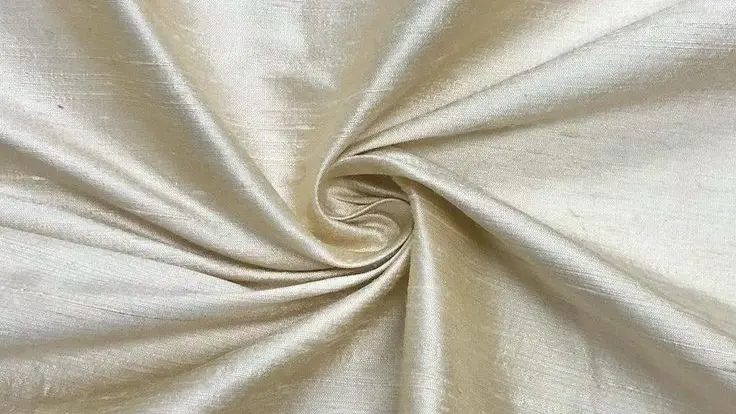
Silk’s natural shine is due to its triangular prism–shaped fibers, which refract light beautifully.
History of Silk
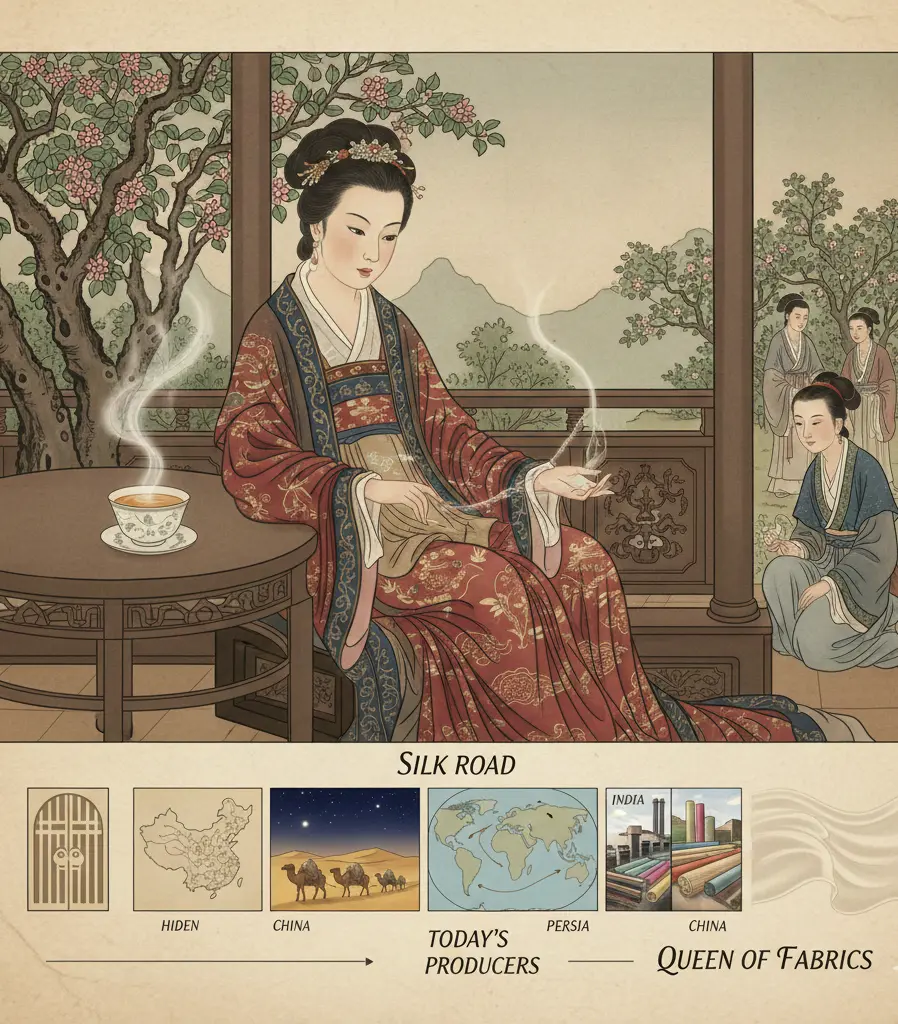
Silk originated in China around 2700 BCE.
According to legend, Empress Leizu discovered silk when a cocoon fell into her tea.
Over centuries:
- China kept silk a secret for more than 2,000 years
- Silk became a valuable export through the historic Silk Road
- It spread to India, Persia, Europe, and the Middle East
- Today, India and China are the largest producers of silk
Silk is still considered the queen of fabrics for its elegance and natural beauty.
How Silk Fabric Is Made
1. Silkworm Rearing (Sericulture)
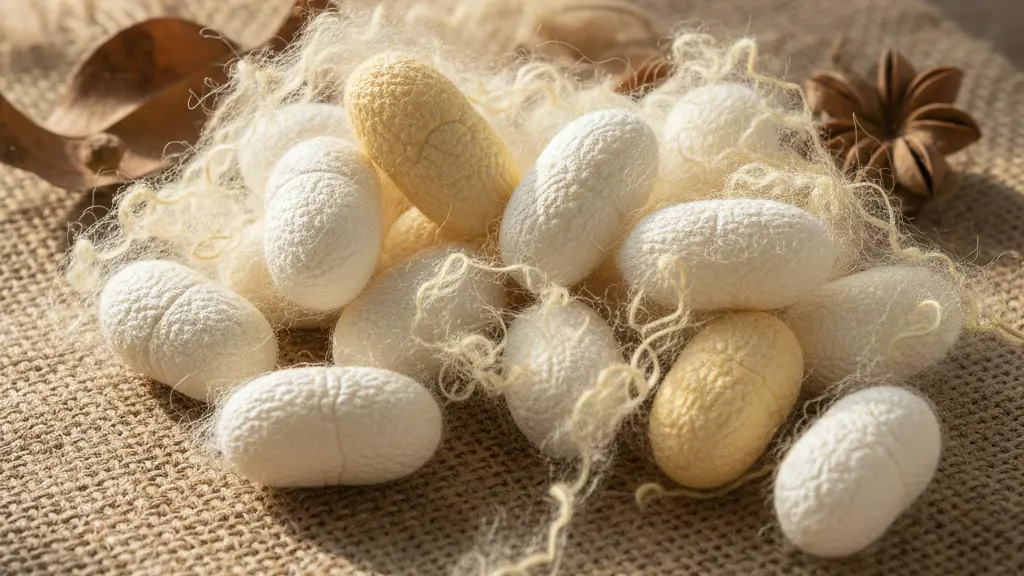
Silkworms (Bombyx mori) are fed mulberry leaves.
They spin cocoons made from a single continuous filament.
One cocoon can produce 600–900 meters of silk thread.

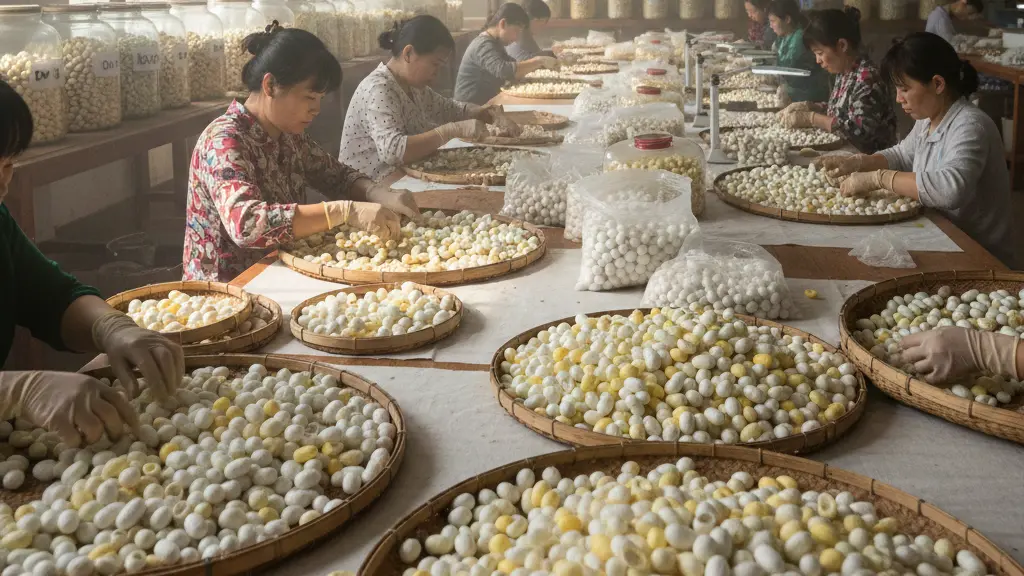
2. Harvesting the Cocoons
After the worms complete cocooning:
- Cocoons are collected
- Processed within 8–10 days
- Sorted based on size, color, and quality
3. Stifling
The cocoons are heated to prevent the moth from breaking the filament during emergence.

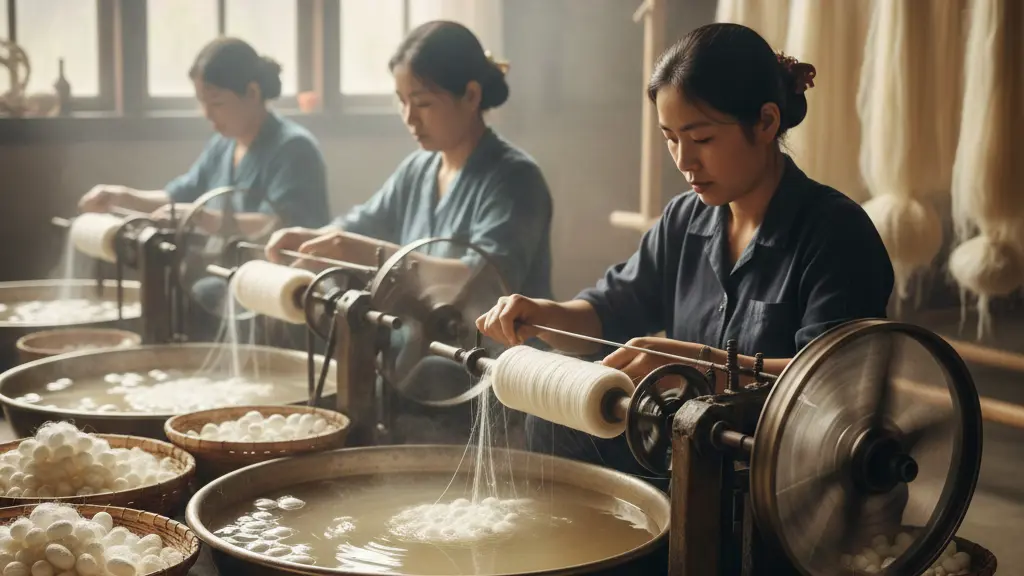
4. Reeling the Silk
This is the most delicate process.
Cocoons are placed in warm water → sericin softens → the filament is unwound.
Multiple filaments are twisted together to form:
- Raw silk yarn – strong and continuous
- The signature shine comes naturally
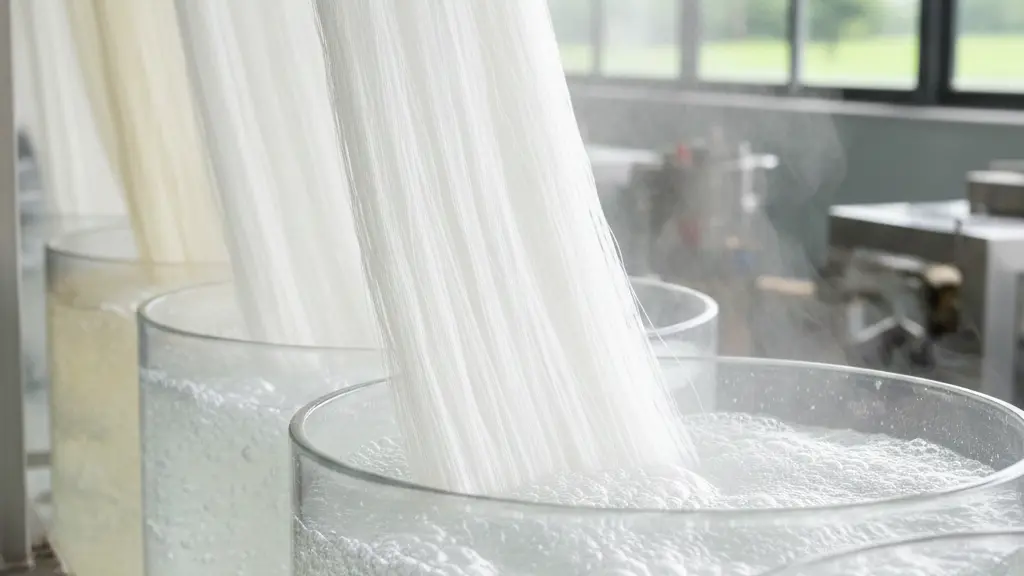
5. Degumming
Sericin (gum) is removed to make silk:
- Softer
- Shinier
- More lustrous

6. Spinning & Weaving
Silk yarn is woven into different types of silk fabrics:
- Satin weaves
- Twill weaves
- Plain weaves
The weaving technique determines the type of silk.
7. Dyeing & Finishing
Finally, silk is dyed, printed, and finished to enhance:
- Shine
- Softness
- Strength

Types of Silk Fabric
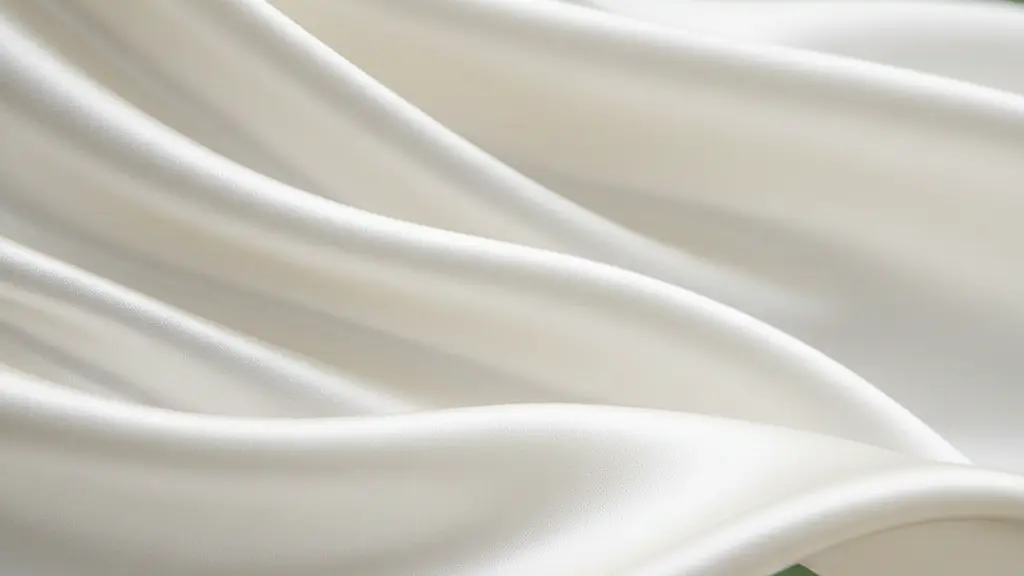
1. Mulberry Silk
Purest and finest silk; smooth, soft, and luxurious.
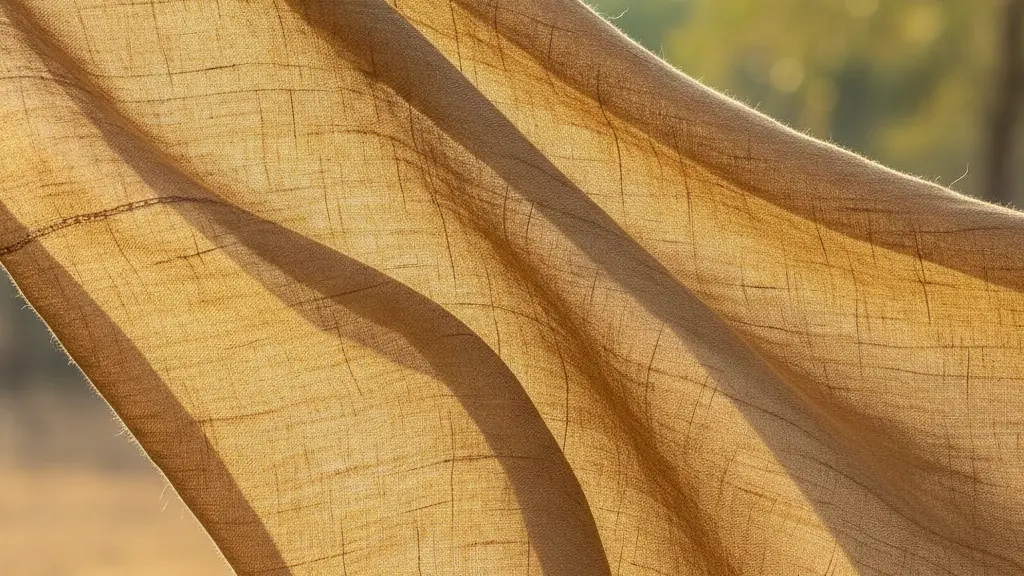
2. Tussar Silk
Natural, textured, golden-toned silk found widely in India.
3. Eri Silk
Also called Ahimsa Silk (non-violent), extremely soft and warm.
4. Muga Silk
Rare golden-yellow silk from Assam; highly durable and lustrous.
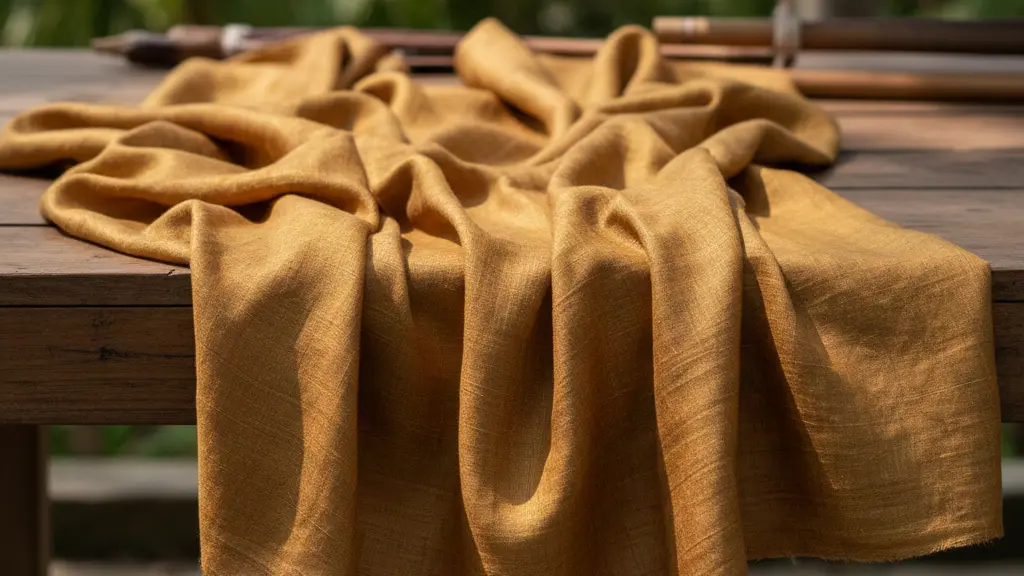

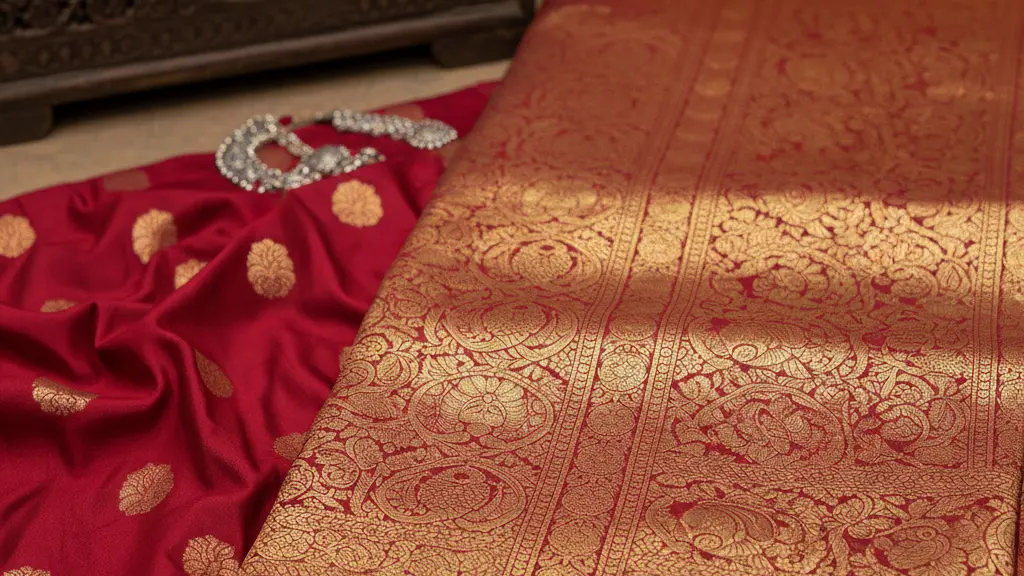
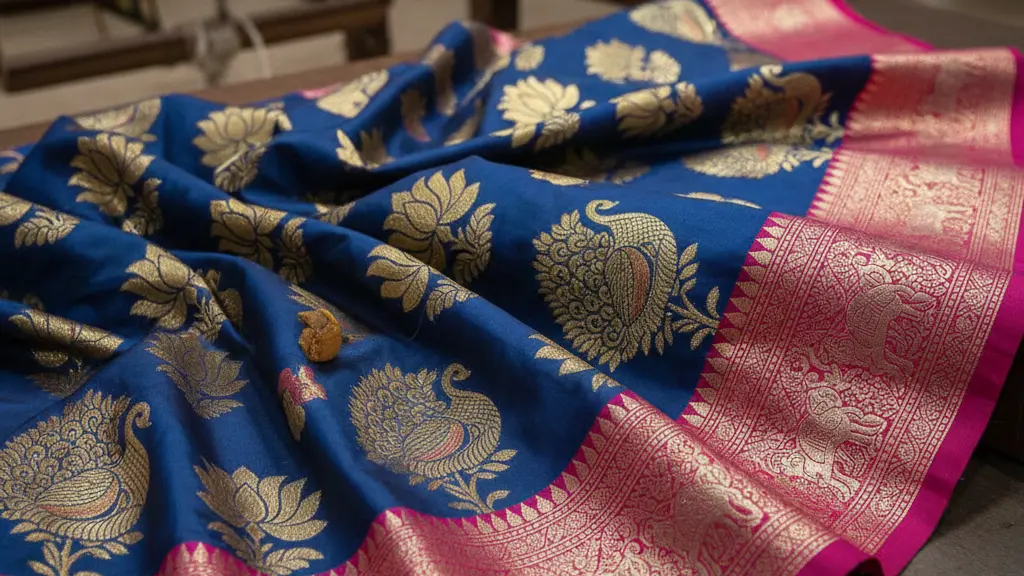
10. Kanjivaram Silk
South Indian silk known for durability and rich colours.

 and then Add to Home Screen.
