
Georgette is one of the most loved fabrics in the fashion and textile world. Known for its lightweight feel, graceful drape, and slightly crinkled texture, georgette is widely used for sarees, gowns, suits, kurtis, dupattas, and designer dresses. Its versatility, breathability, and flow make it a favourite among designers, boutiques, and garment manufacturers.
What is Georgette Fabric?
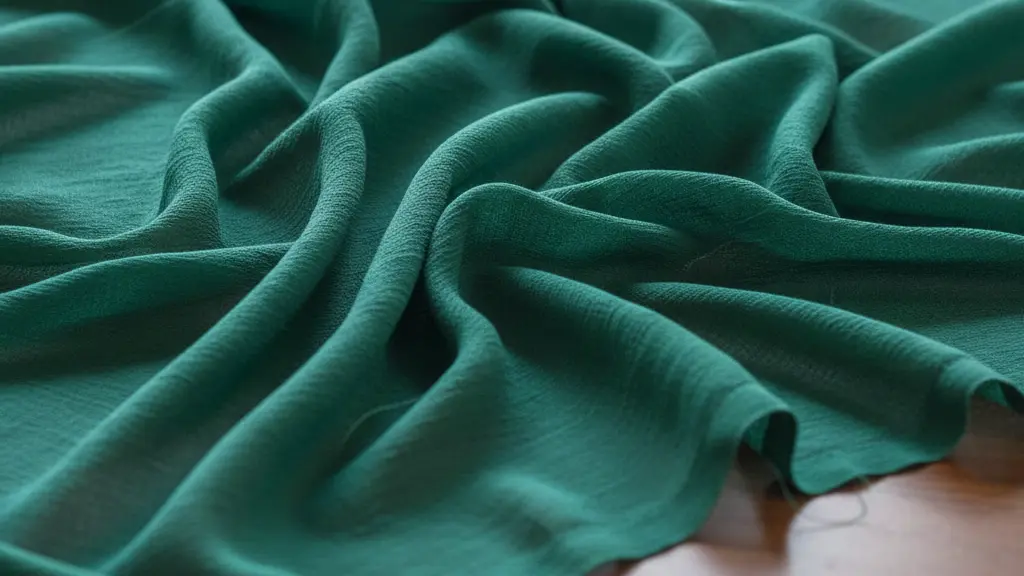
Georgette is a sheer, lightweight, dull-finished woven fabric with a slightly crinkled texture. It is traditionally woven using highly twisted yarns, which create its signature crepe-like surface.
Originally made from silk, today georgette is made using:
- Silk
- Polyester
- Viscose
- Nylon
- Blended fibres
The fabric offers an excellent drape, making it ideal for flowy, feminine garments.
History of Georgette
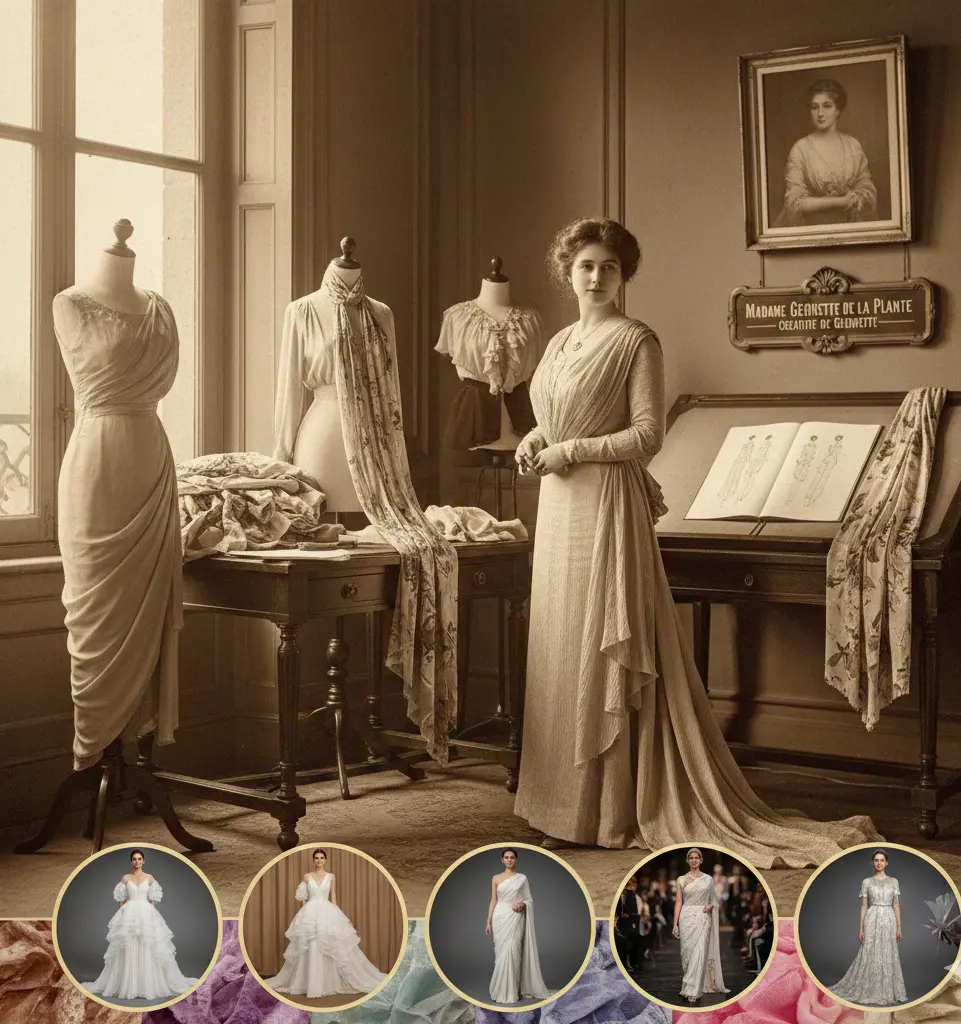
Georgette fabric was named after Madame Georgette de la Plante, a French fashion designer from the early 20th century.
She introduced this fabric as a more durable, textured, and easily draping alternative to chiffon.
Since then, georgette has evolved into many varieties and remains globally popular.
How Georgette Fabric is Made
1. Yarn Selection
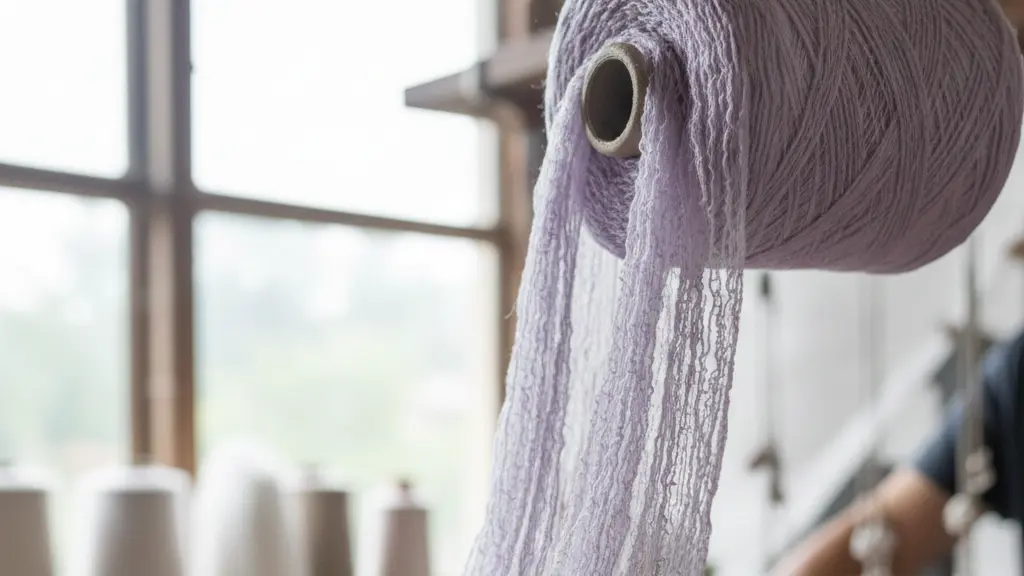
Georgette is created using high-twist yarns (S-twist and Z-twist).
These yarns:
- Add texture
- Create natural crinkles
- Give the fabric elasticity and bounce
2. Twisting the Yarn
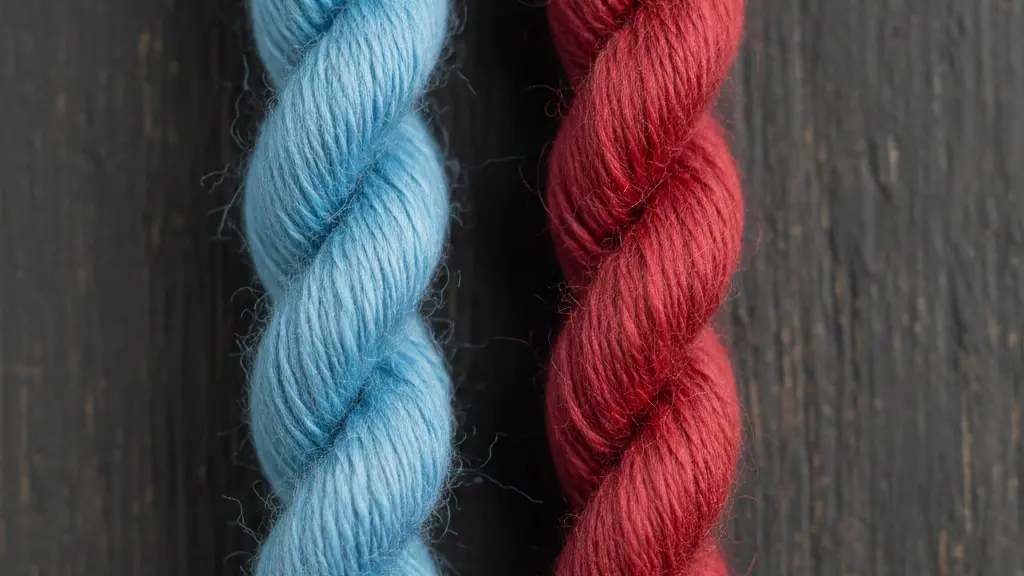
The yarn is twisted tightly in opposite directions:
- Yarn A: S-twist
- Yarn B: Z-twist
When woven together, they create a tension that results in:
- Pebbled texture
- Slight transparency
- Natural stretch
- Crinkled effect
3. Weaving Process
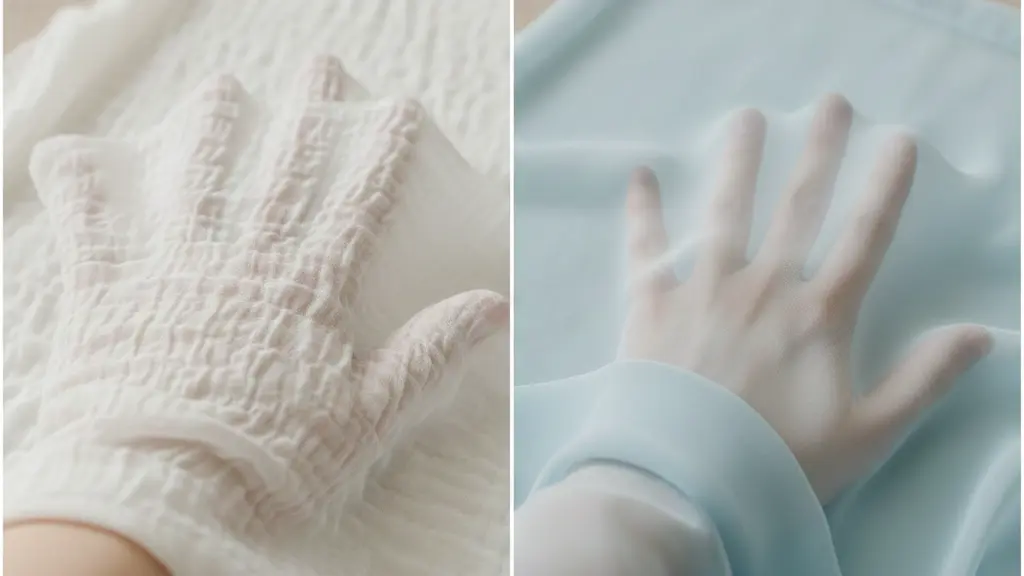
Georgette is woven using a plain weave, but the twisted yarn creates the crinkle.
This distinguishes it from chiffon, which is more transparent and smoother.
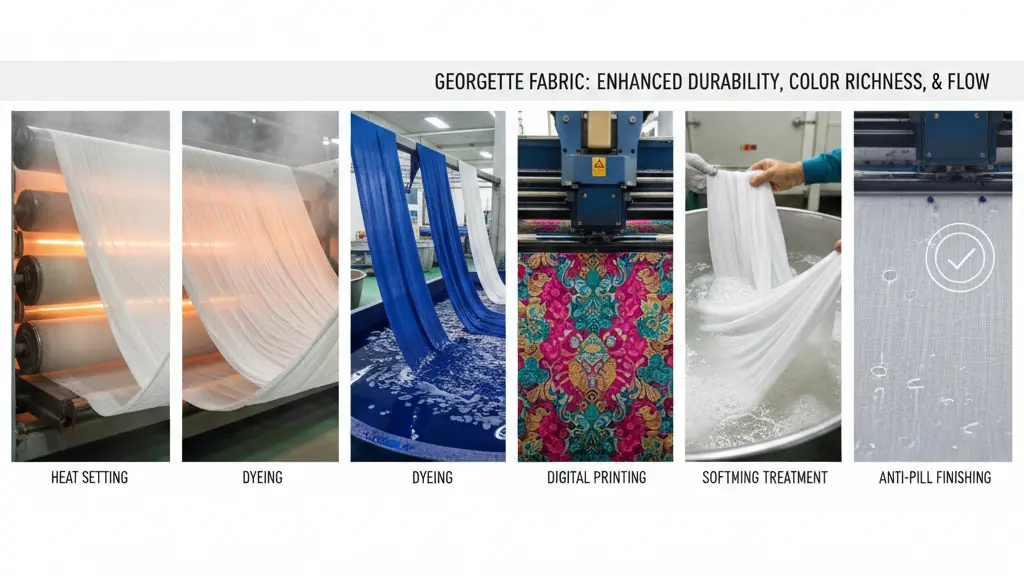
4. Finishing Treatments
After weaving, the fabric undergoes:
- Heat setting
- Dyeing
- Digital printing
- Softening treatment
- Anti-pill finishing
This enhances durability, colour richness, and flow.
Types of Georgette Fabric
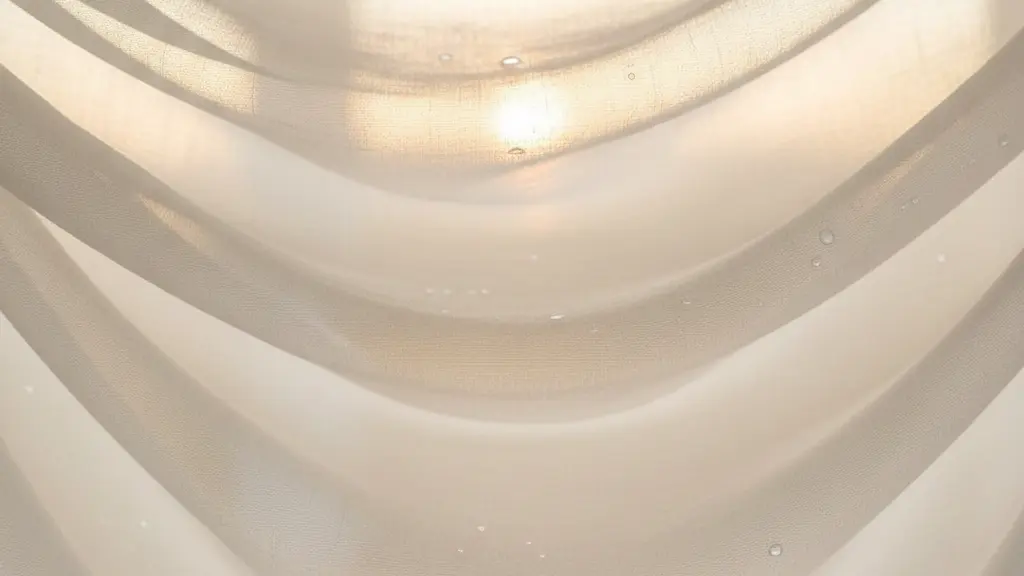
1. Pure Silk Georgette
Soft, luxurious, lightweight, natural sheen — used in premium fashion.
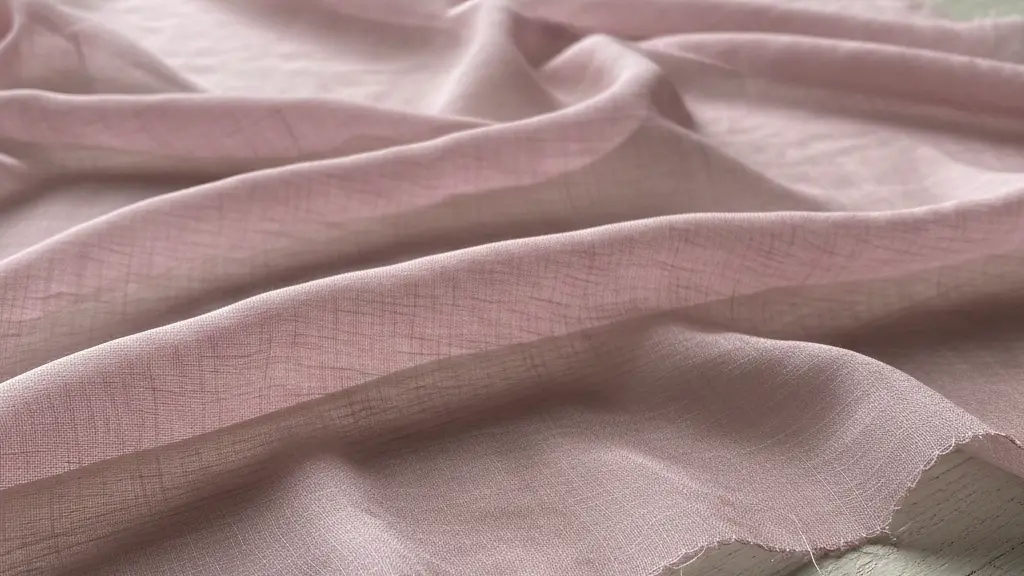
2. Polyester Georgette
Affordable, durable, wrinkle-resistant — most widely used in the garment industry.
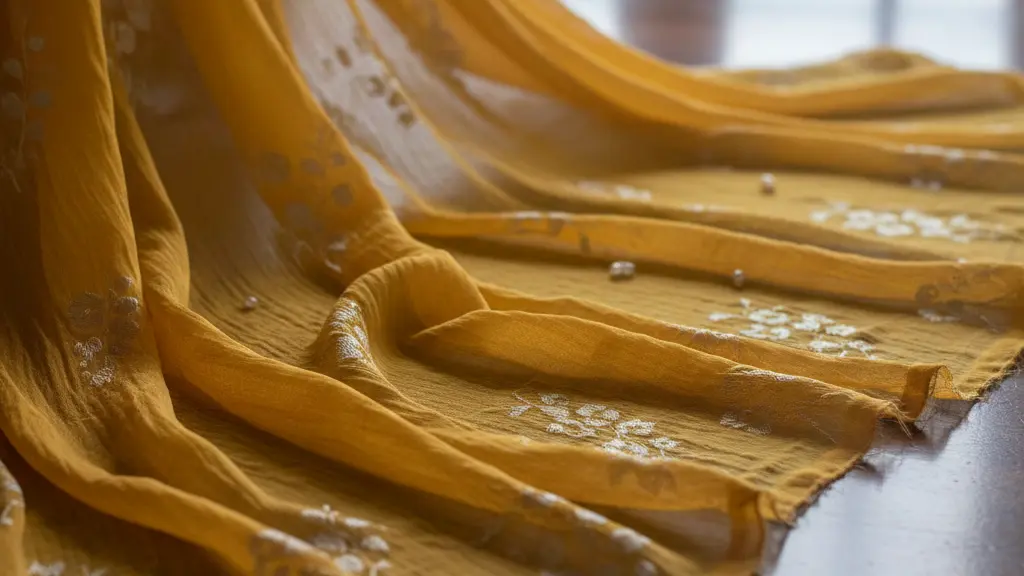
4. Faux Georgette
Made from synthetic fibres; lightweight and budget-friendly.
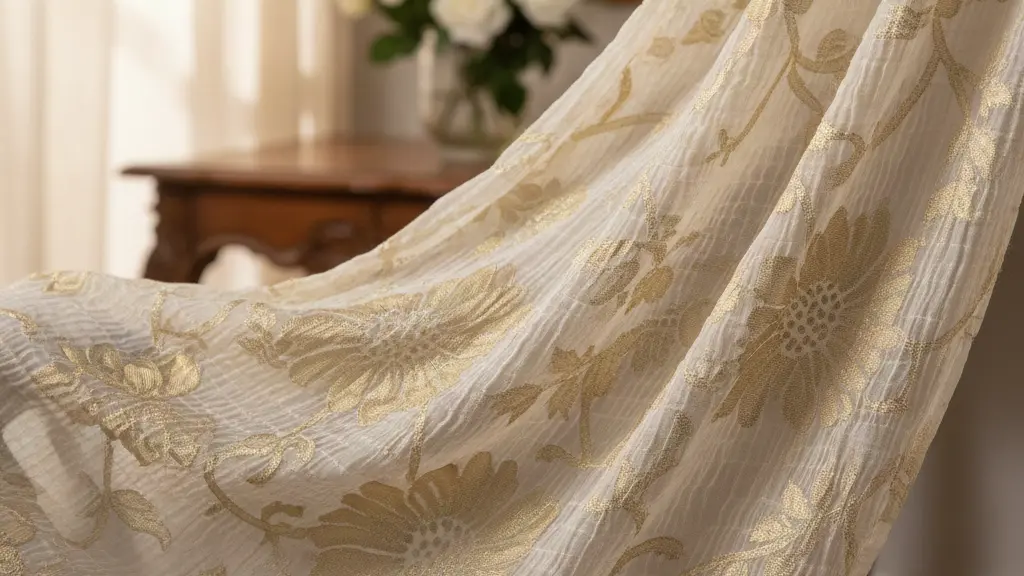
5. Jacquard Georgette
Woven with patterns, giving an embossed or textured design.
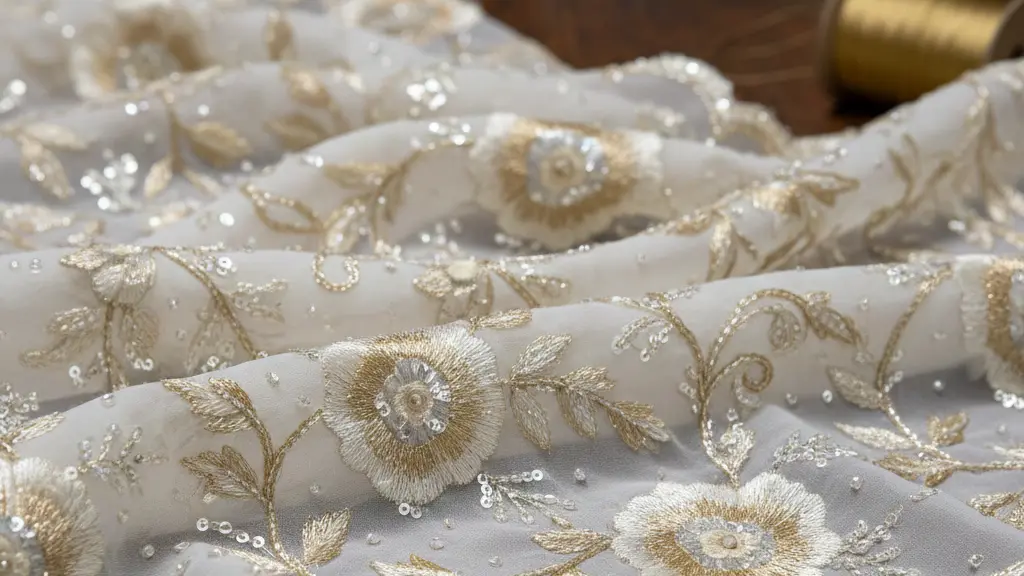
6. Embroidered Georgette
Decorated with thread work, zari, sequins, beads — used in party and bridal wear.
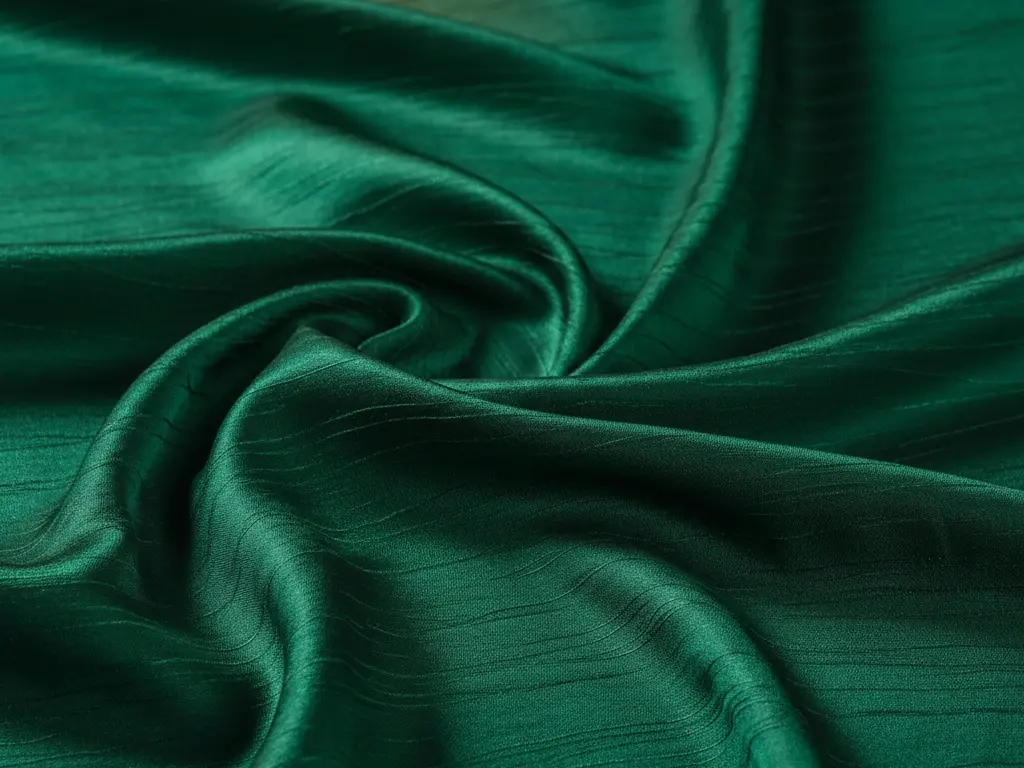
7. Satin Georgette
Smooth, slightly shiny blend of satin & georgette—ideal for premium sarees.
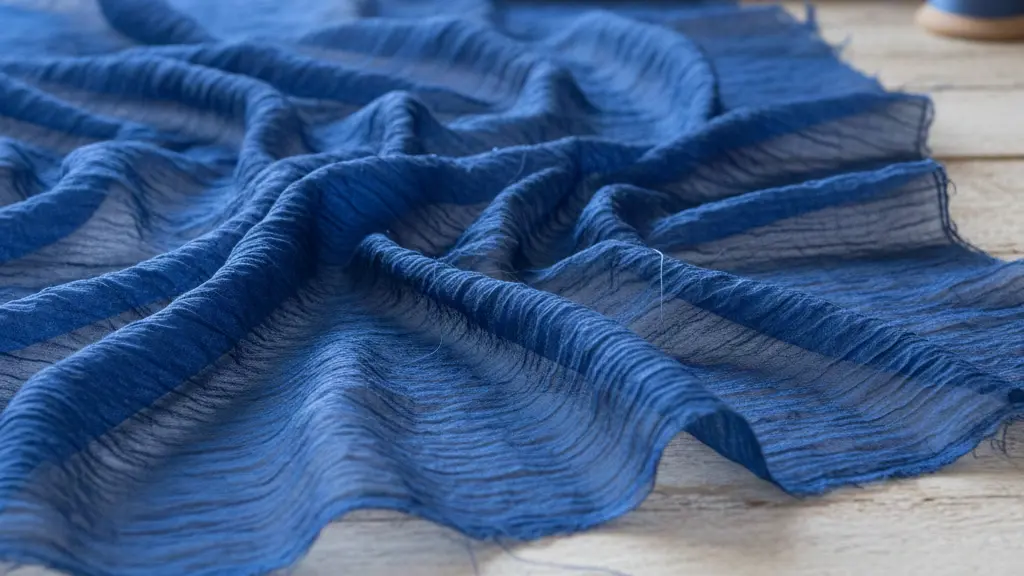
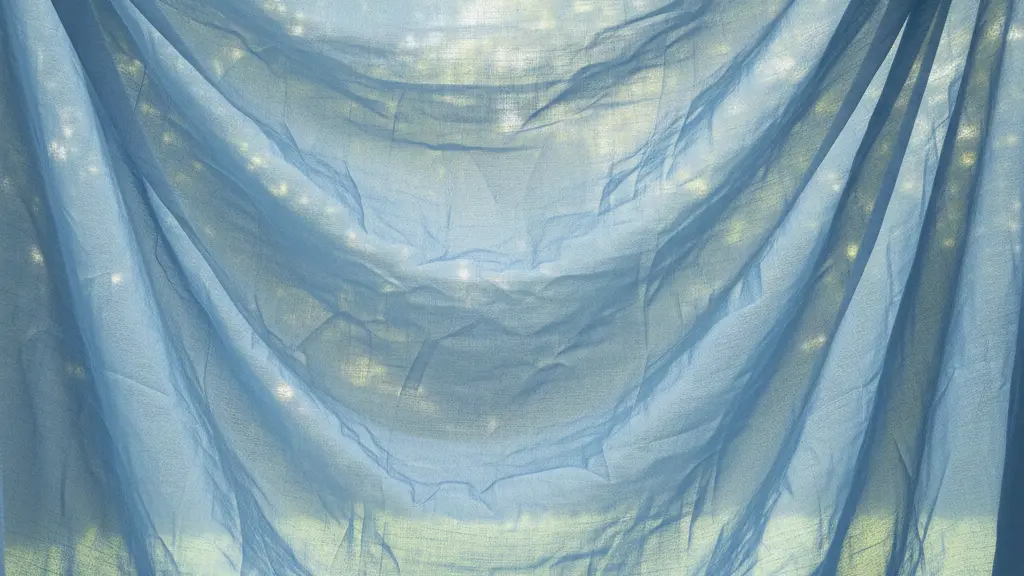
8. Crinkle Georgette
Enhanced crinkle effect, very flowy, popular in dupattas and skirts.
9. Stretch Georgette
Includes spandex for extra flexibility — used in fitted garments.
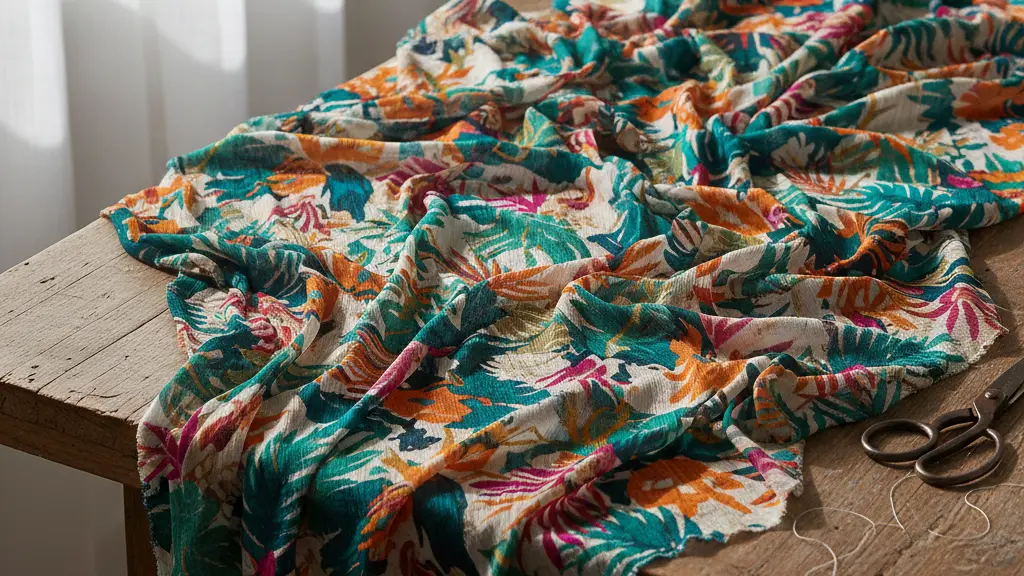
10. Printed Georgette
Digital prints, floral prints, geometric prints — used for everyday and designer wear.
Key Characteristics of Georgette Fabric
- Lightweight and breathable
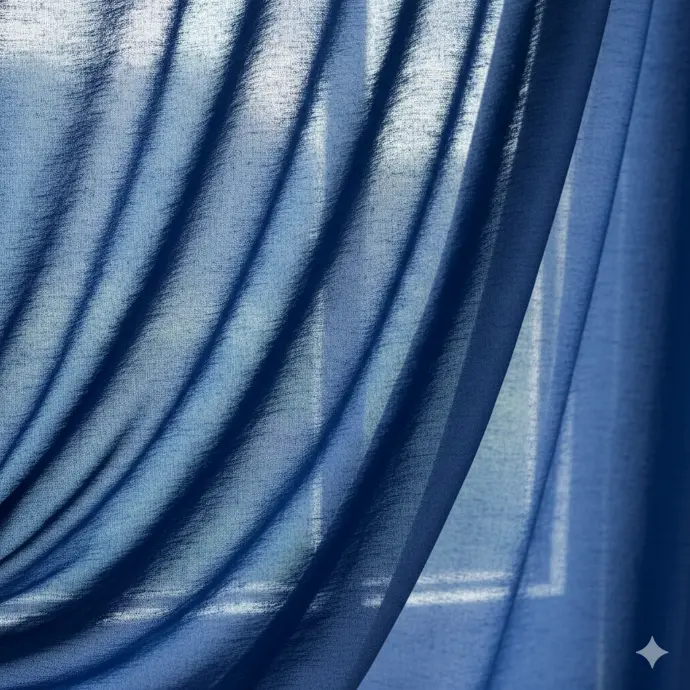
- Slightly sheer
- Crinkled, pebbled texture
- Elegant drape
- Wrinkle-resistant
- Strong and durable
- Absorbs colour beautifully
- Comfortable for long wear
Uses of Georgette Fabric
Ethnic Wear
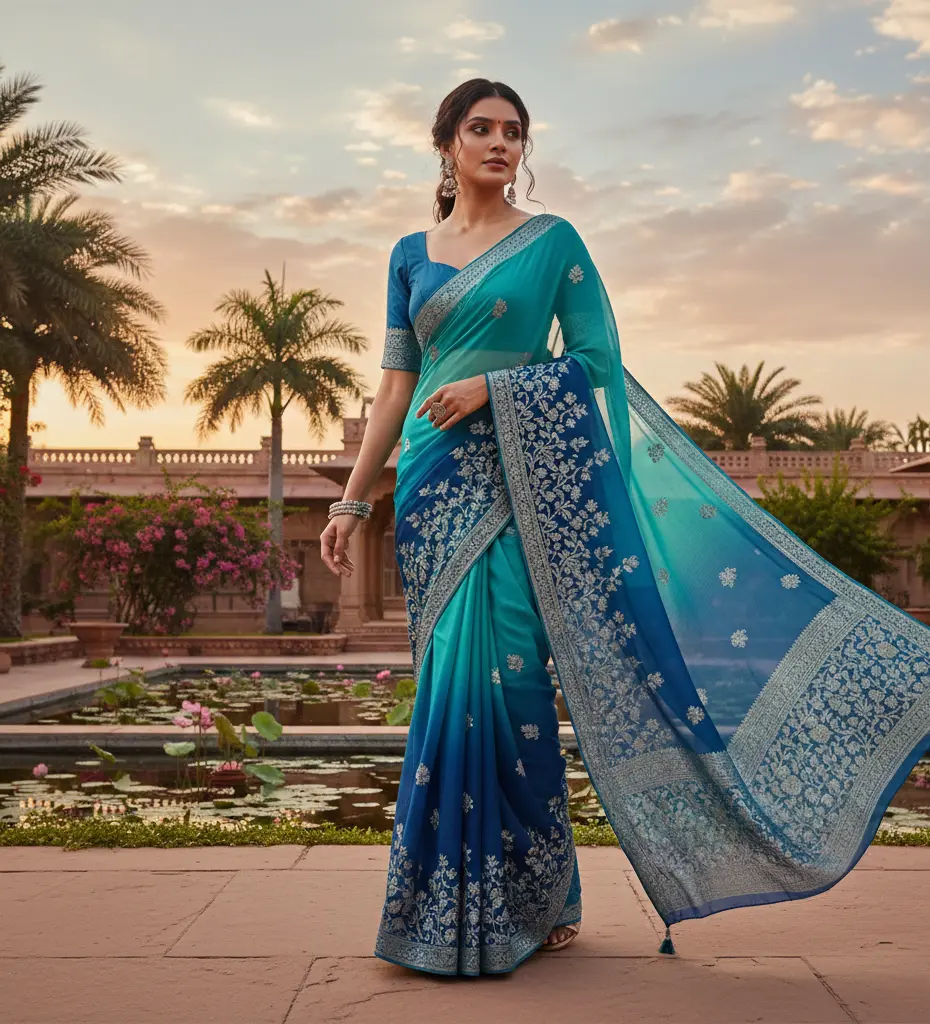
Sarees
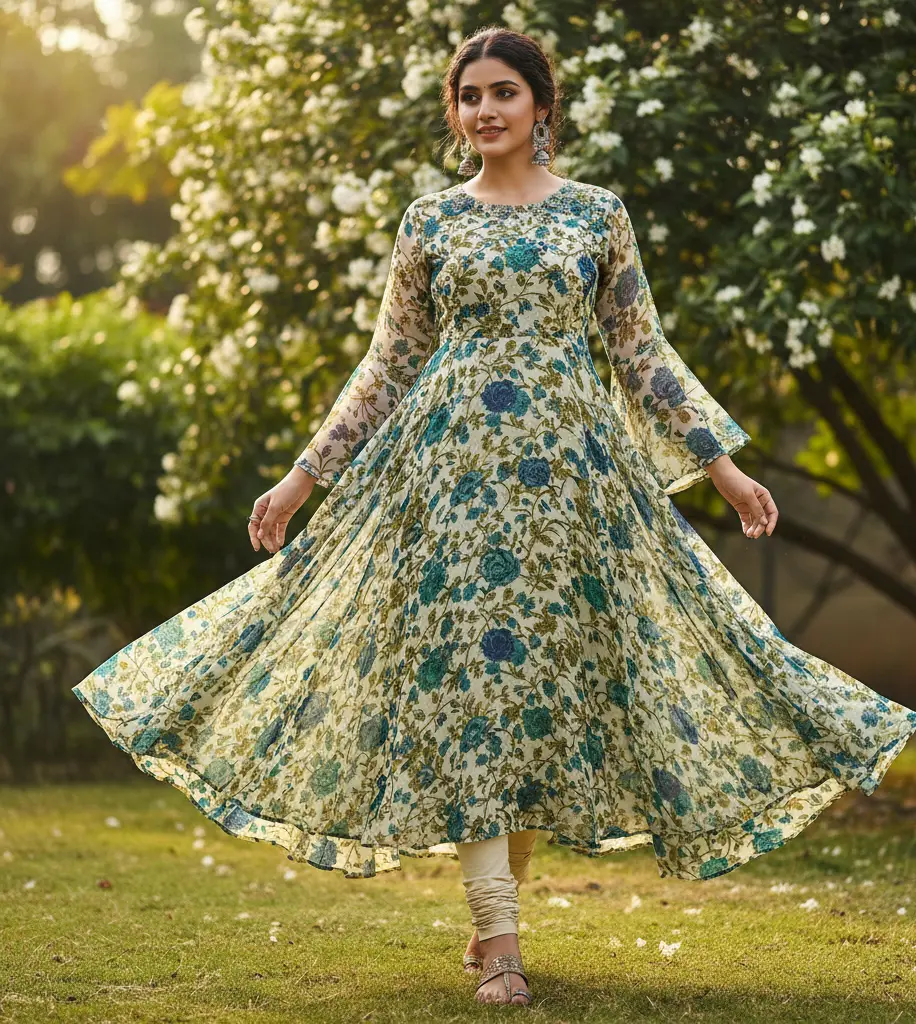
Suits
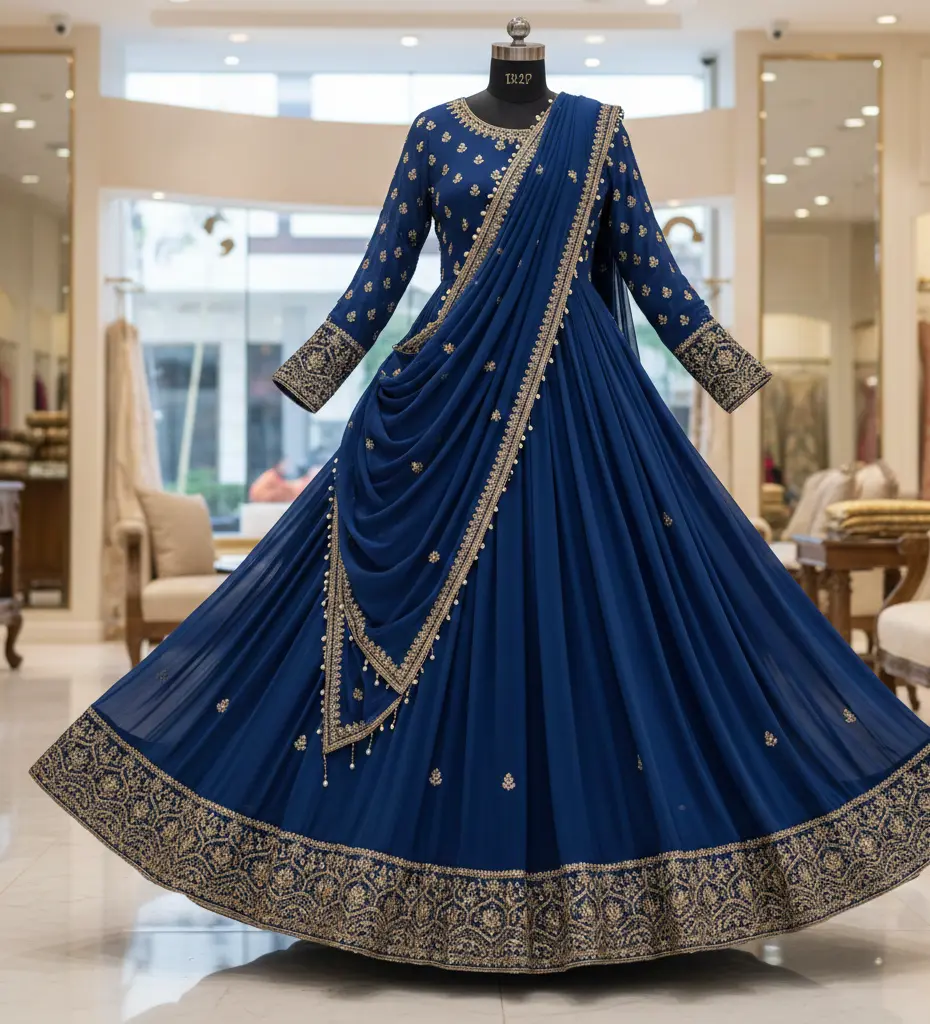
Anarkalis
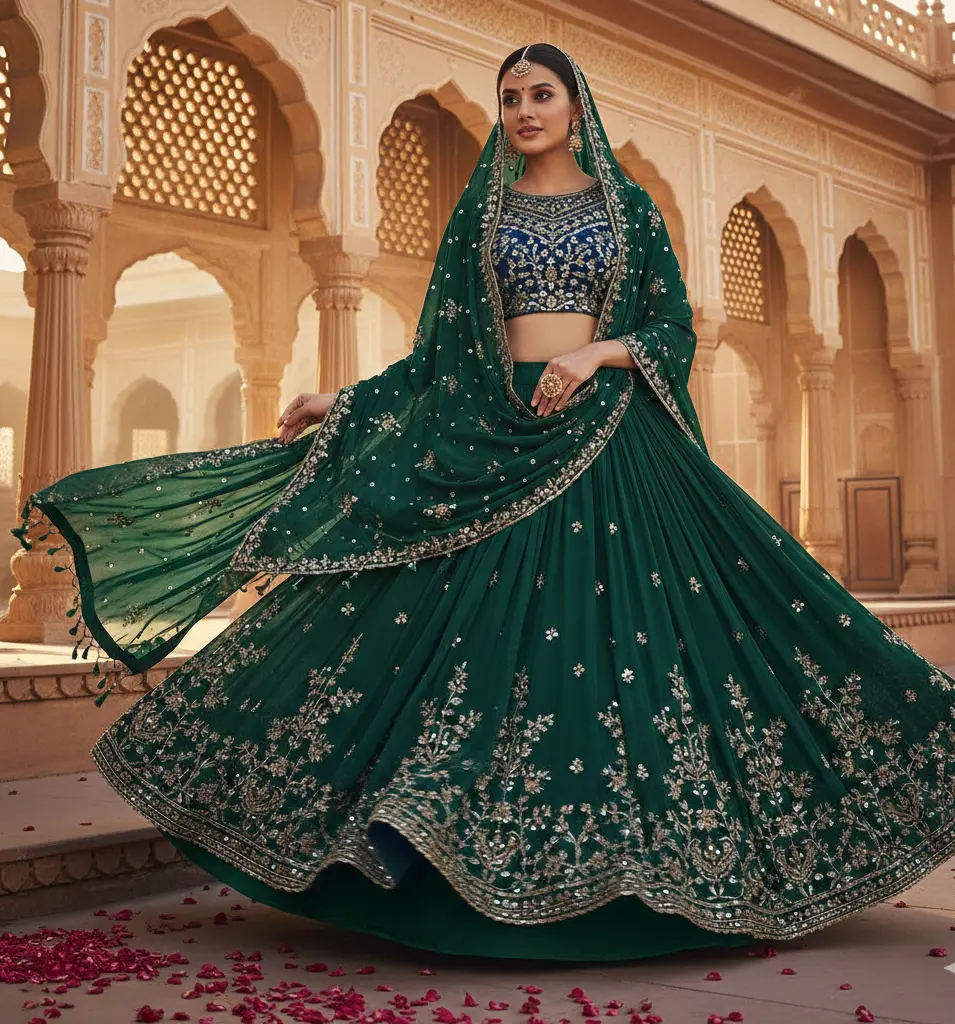
Lehengas
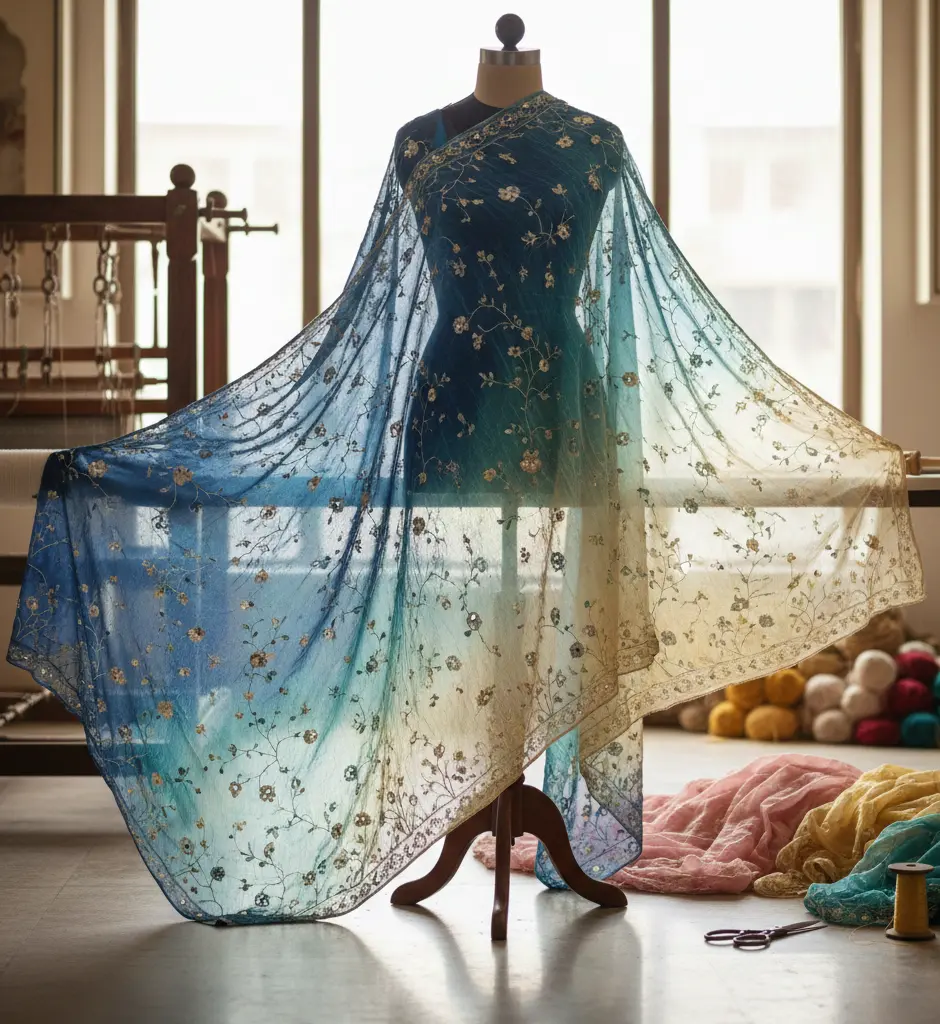
Dupattas
Western Wear
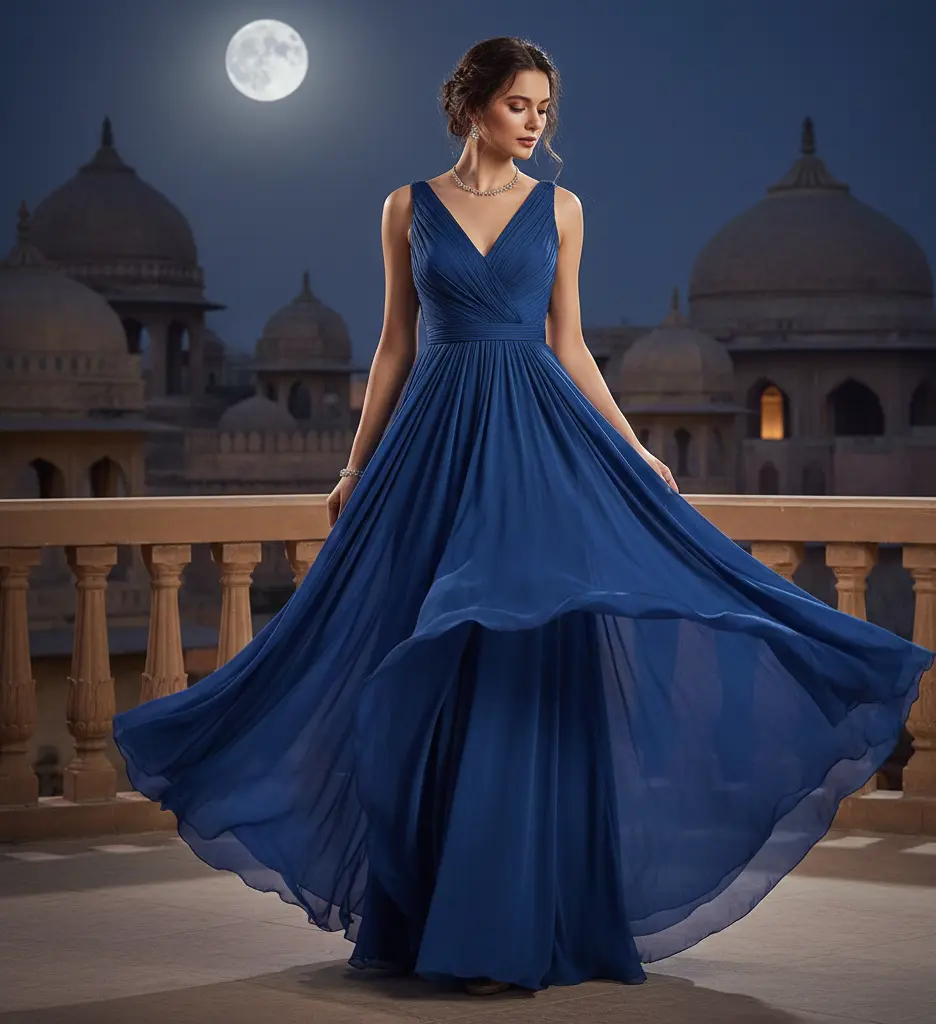
Gowns
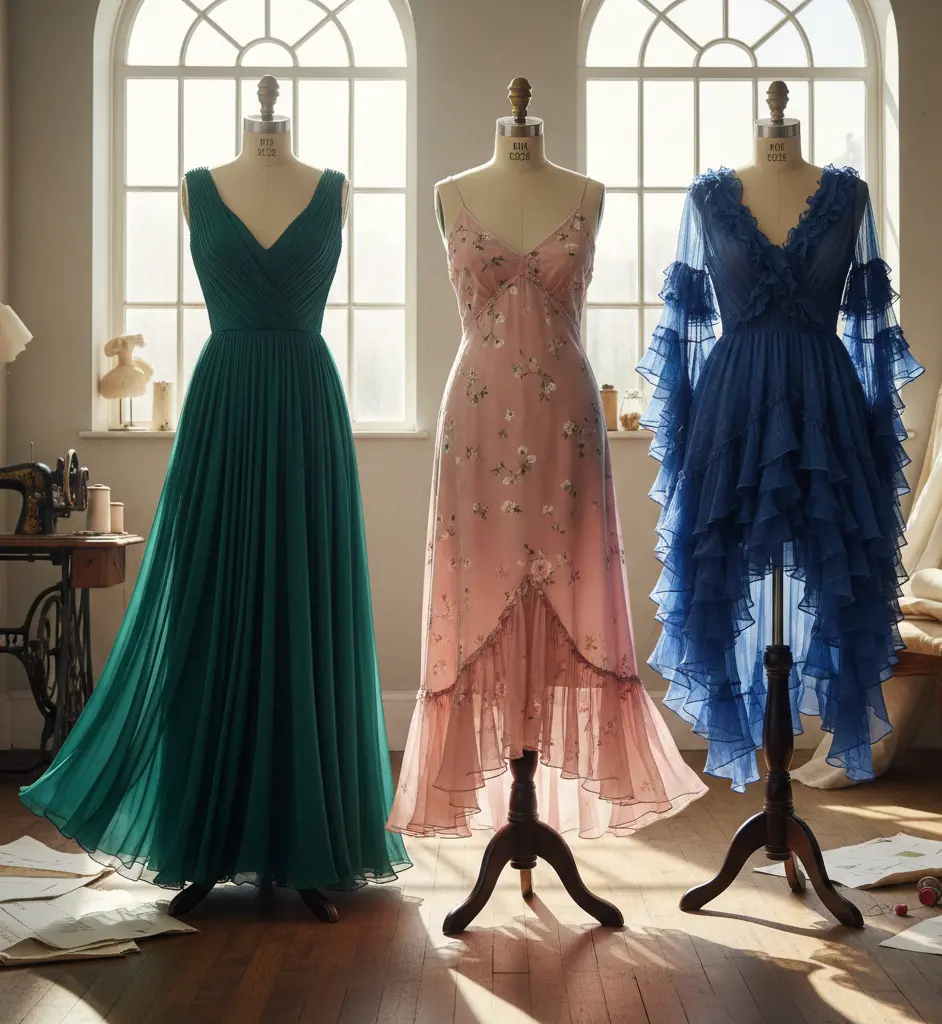
Dresses
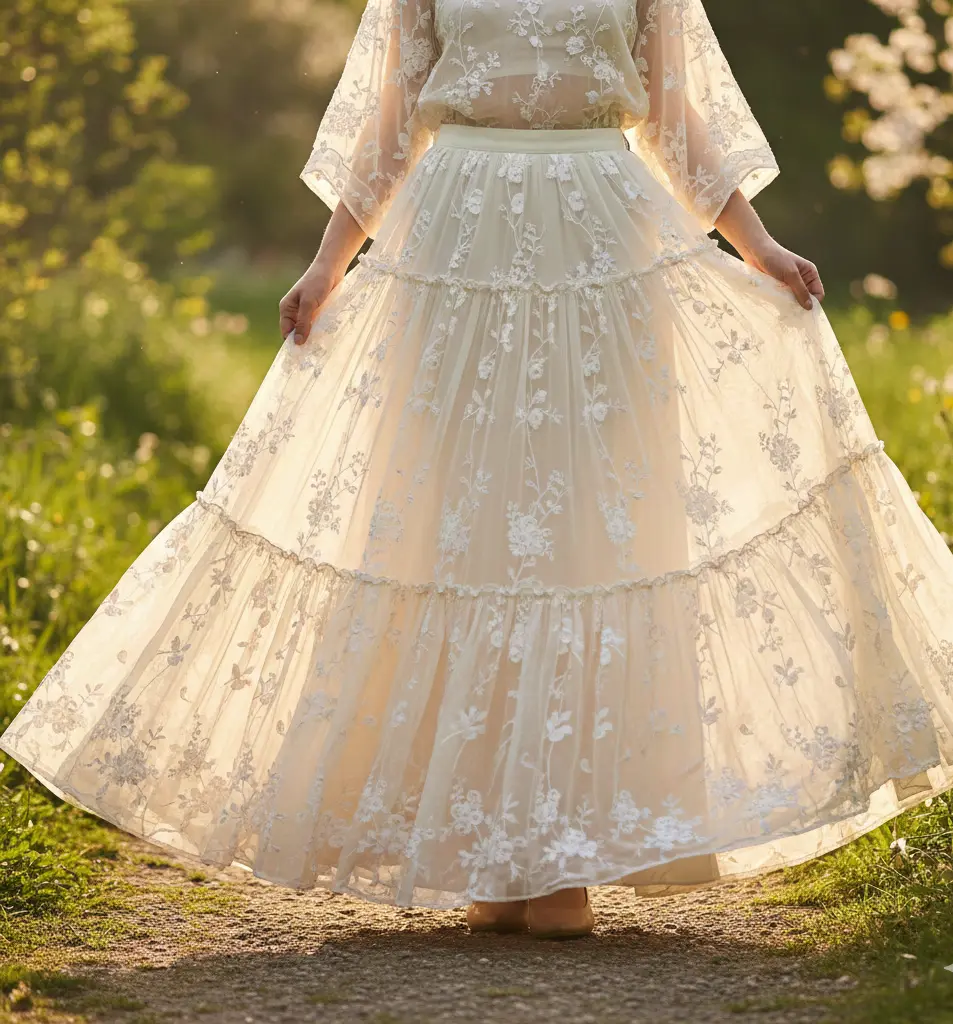
Skirts
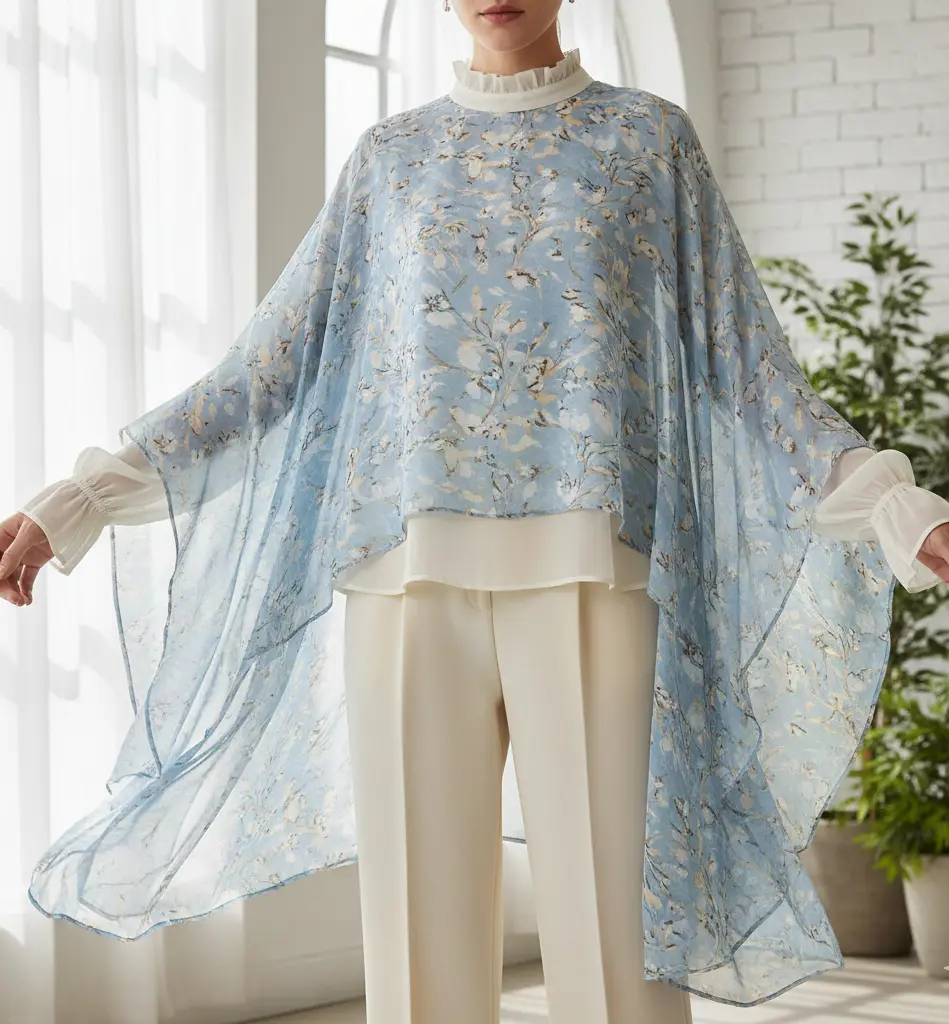
Tops and blouses
Fashion & Couture
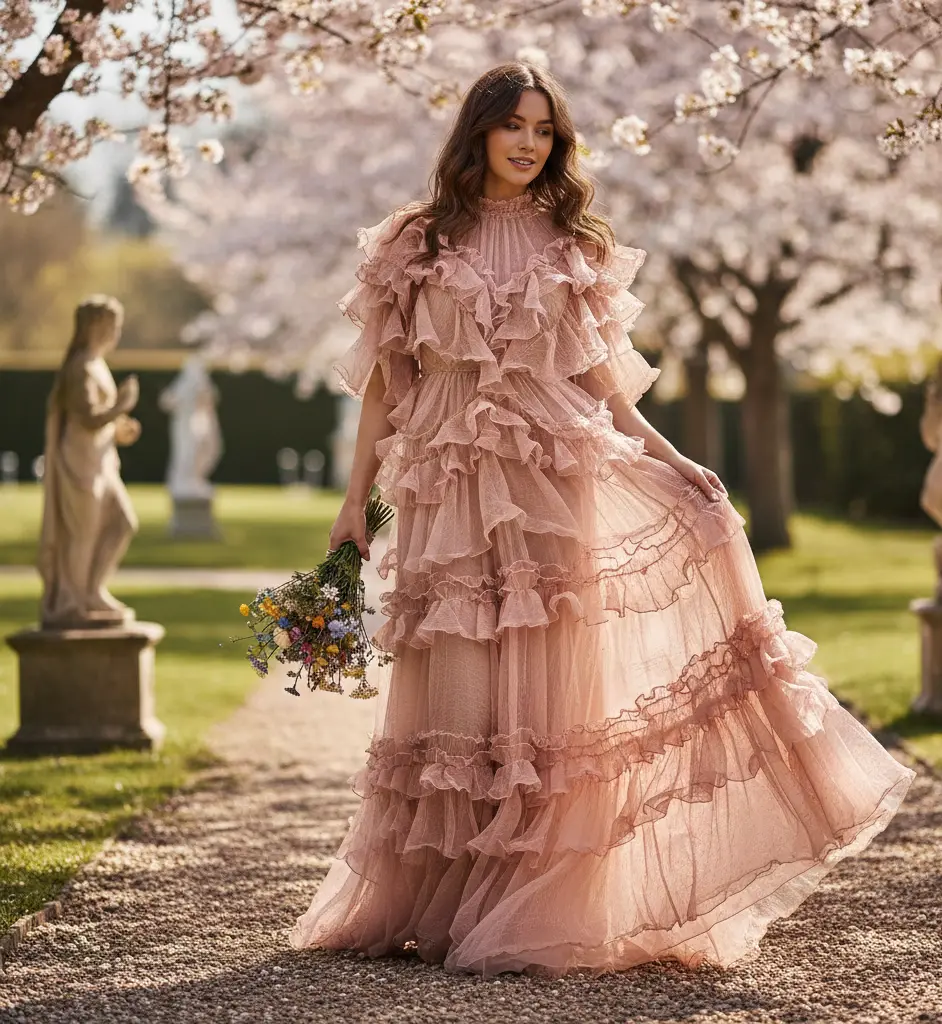
Ruffle dresses
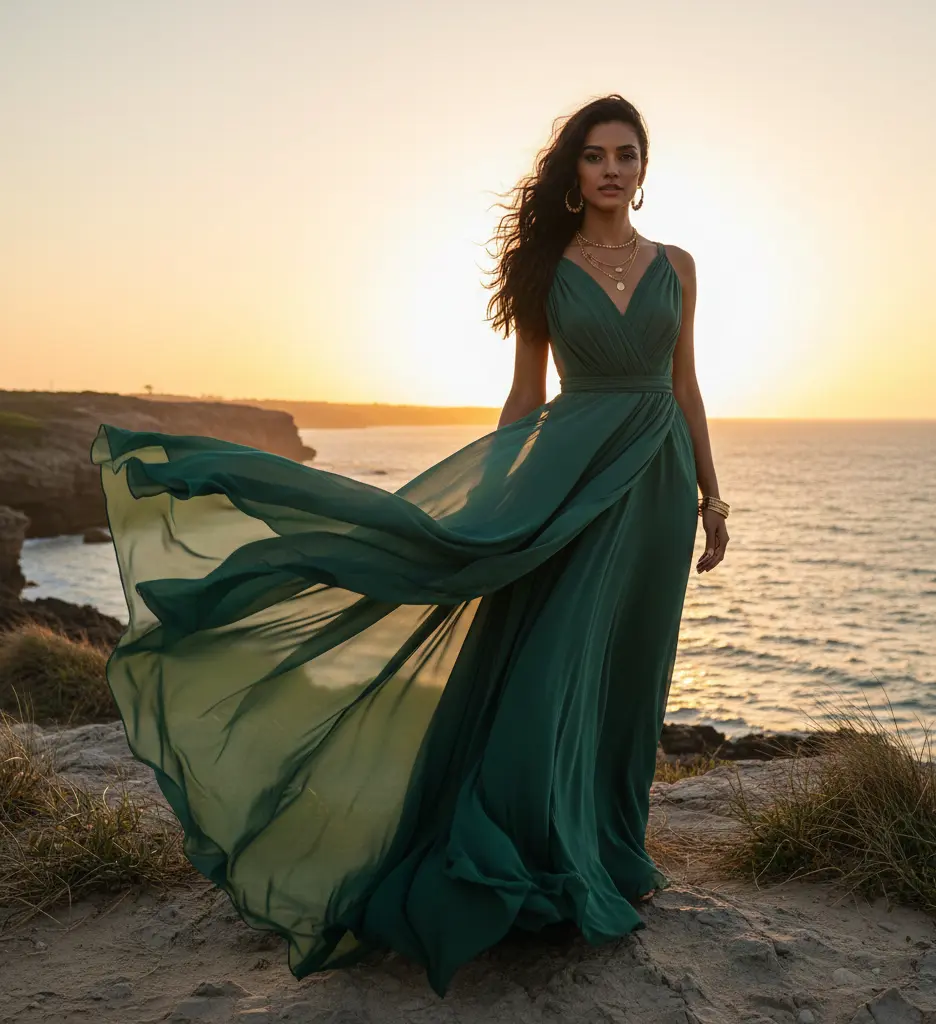
Draped outfits
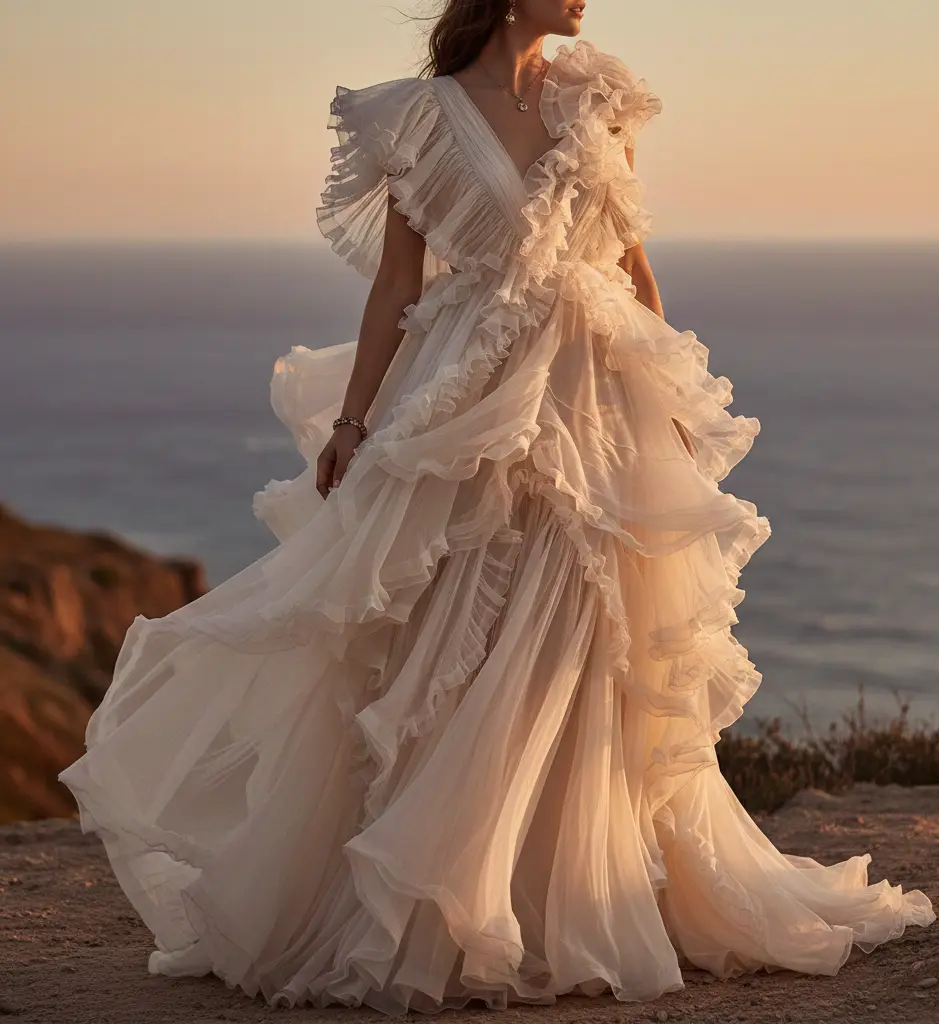 Layered gowns
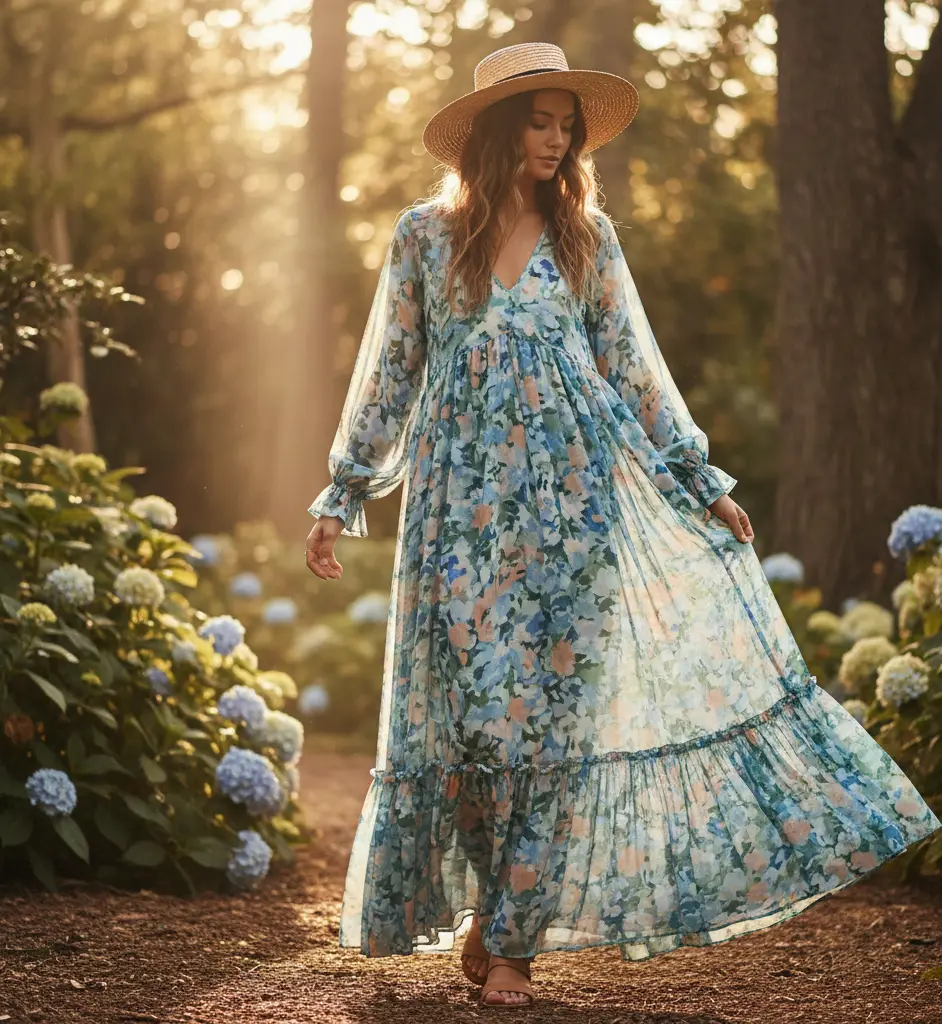
Maxi dresses
Advantages & Disadvantages
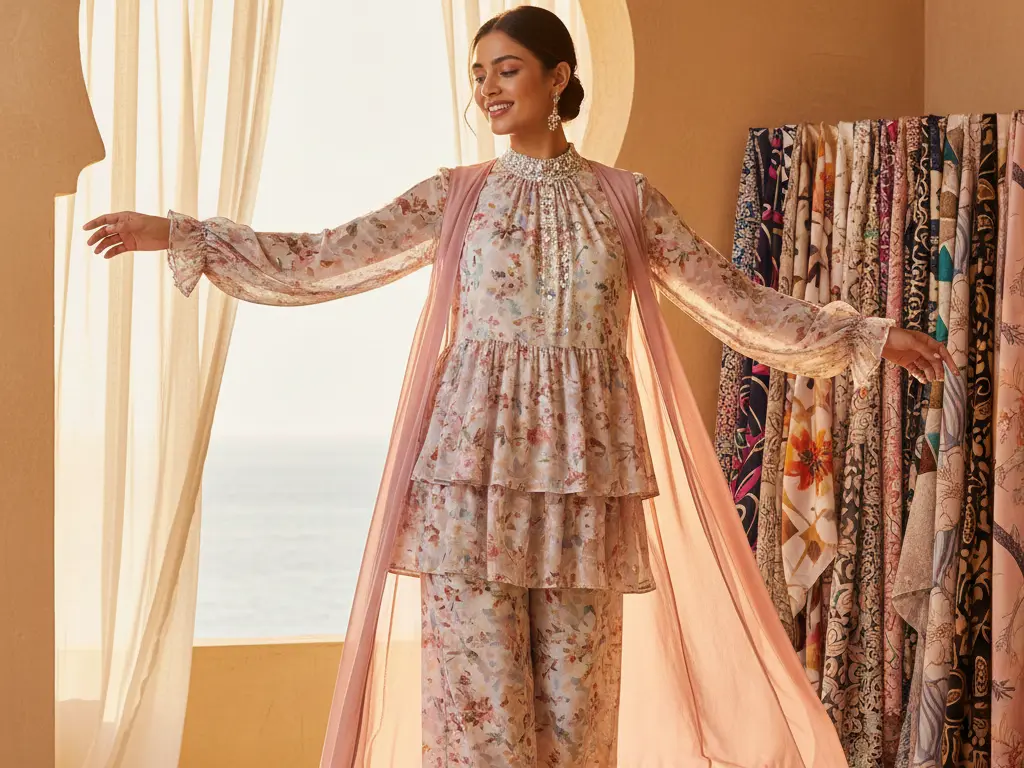
Advantages
- Flowy and feminine
- Excellent for layering
- Drapes like chiffon but stronger
- Available in hundreds of prints and colours
- Easy to embellish (embroidery, sequins, beads)
- Breathable and comfortable
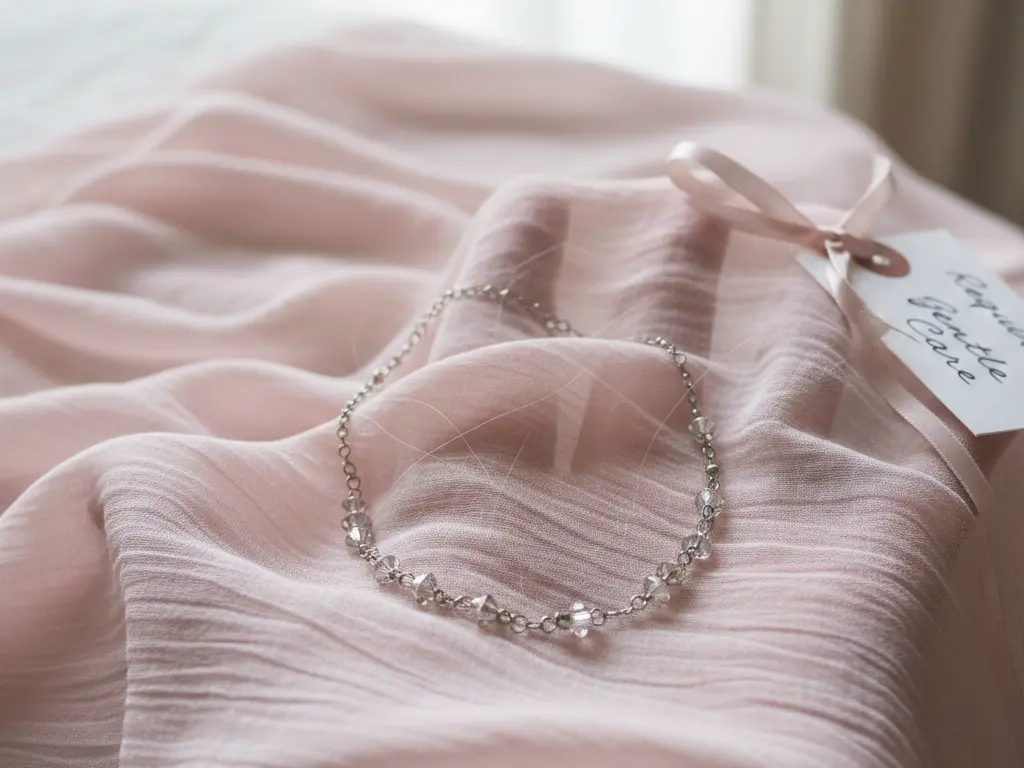
Disadvantages
- Slightly delicate
- Can snag with sharp jewellery
- Some types are slightly see-through
- Requires gentle care

 and then Add to Home Screen.
