
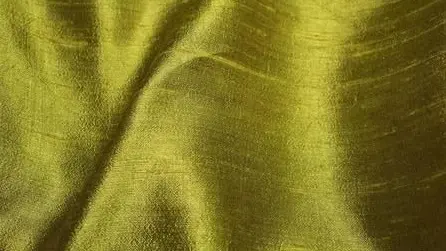
Silk is one of the most luxurious, elegant, and timeless fabrics in the world. Known for its natural sheen, unmatched softness, and graceful drape, silk has been valued for thousands of years. From royal garments to premium designer couture, silk remains the ultimate symbol of beauty and sophistication.
What is Silk Fabric?
Silk is a natural protein fiber produced by silkworms.
When woven into fabric, it becomes:
- Soft
- Smooth
- Lustrous
- Breathable
- Drapey
- Strong
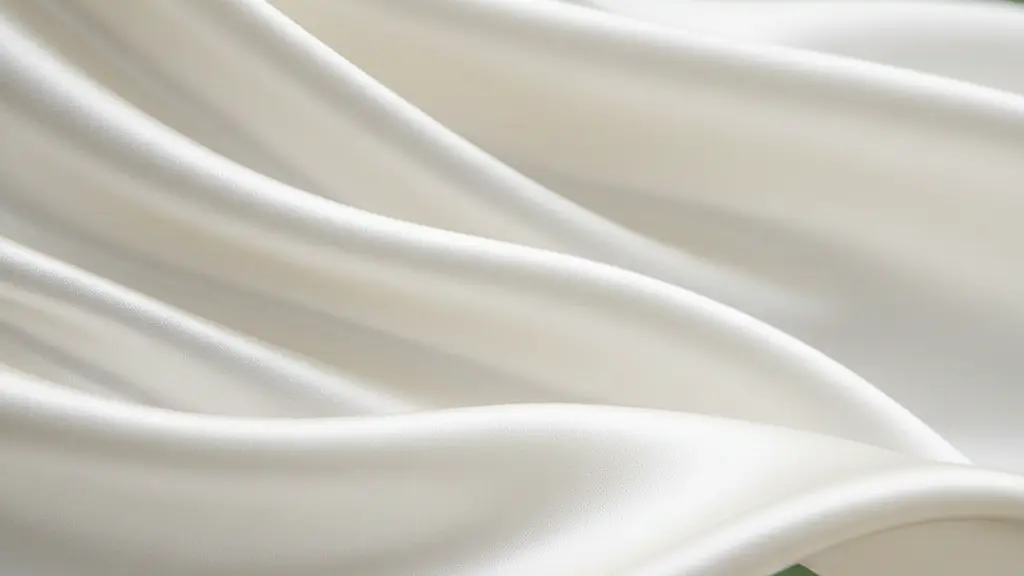
Silk’s natural shine is due to its triangular prism–shaped fibers, which refract light beautifully.
History of Silk
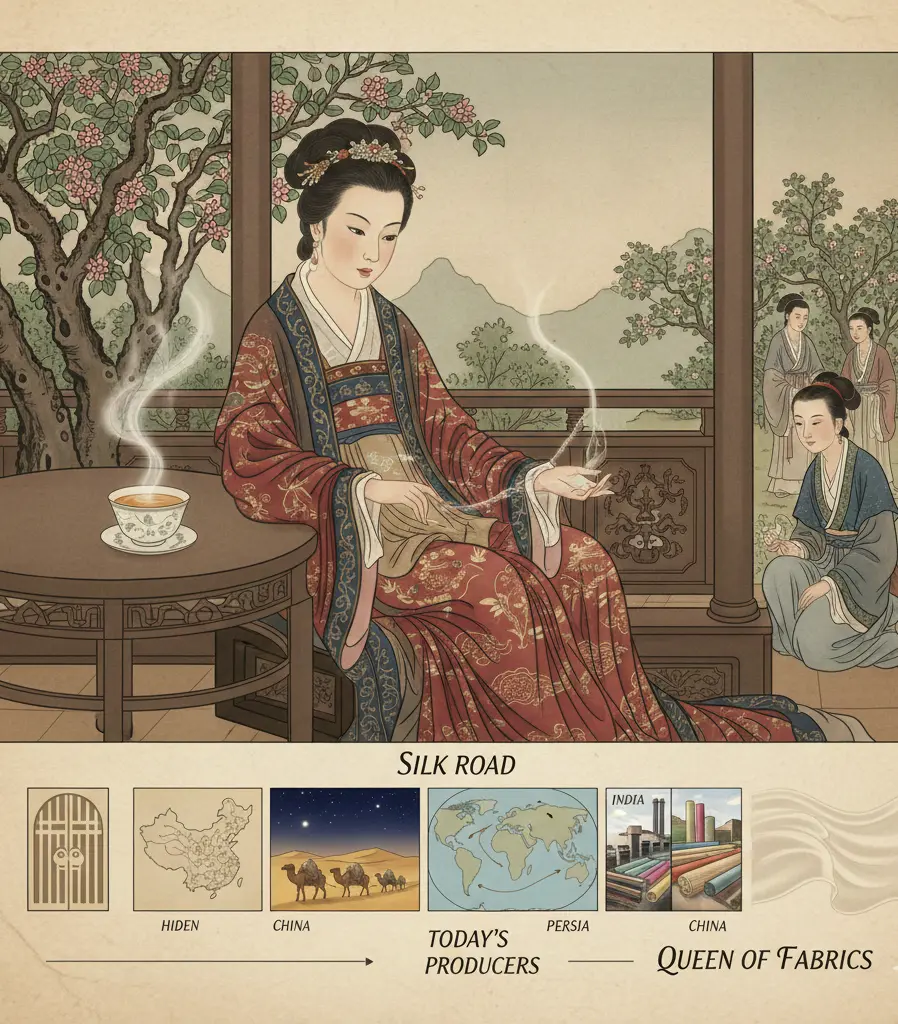
Silk originated in China around 2700 BCE.
According to legend, Empress Leizu discovered silk when a cocoon fell into her tea.
Over centuries:
- China kept silk a secret for more than 2,000 years
- Silk became a valuable export through the historic Silk Road
- It spread to India, Persia, Europe, and the Middle East
- Today, India and China are the largest producers of silk
Silk is still considered the queen of fabrics for its elegance and natural beauty.
How Silk Fabric Is Made
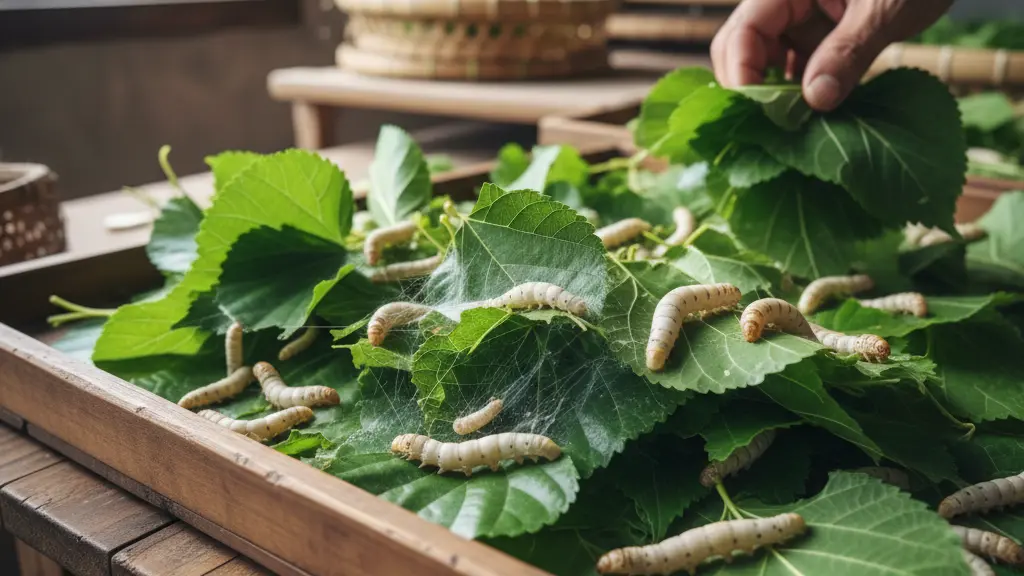
1. Raising Silkworms (Sericulture)
Silkworms are fed specific leaves depending on the silk type (e.g., Mulberry leaves for Bombyx mori).
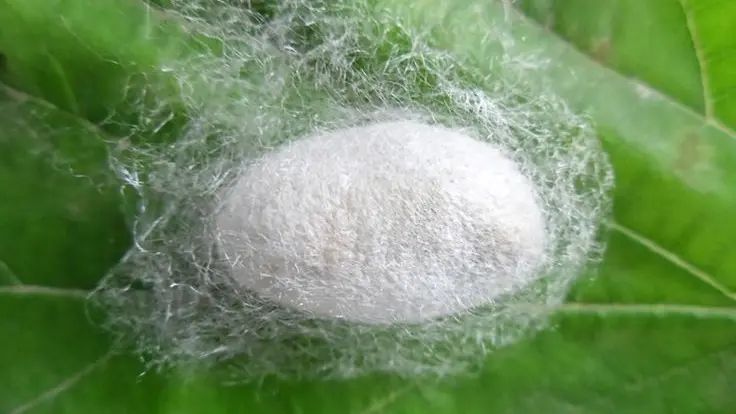
2. Cocoon Formation
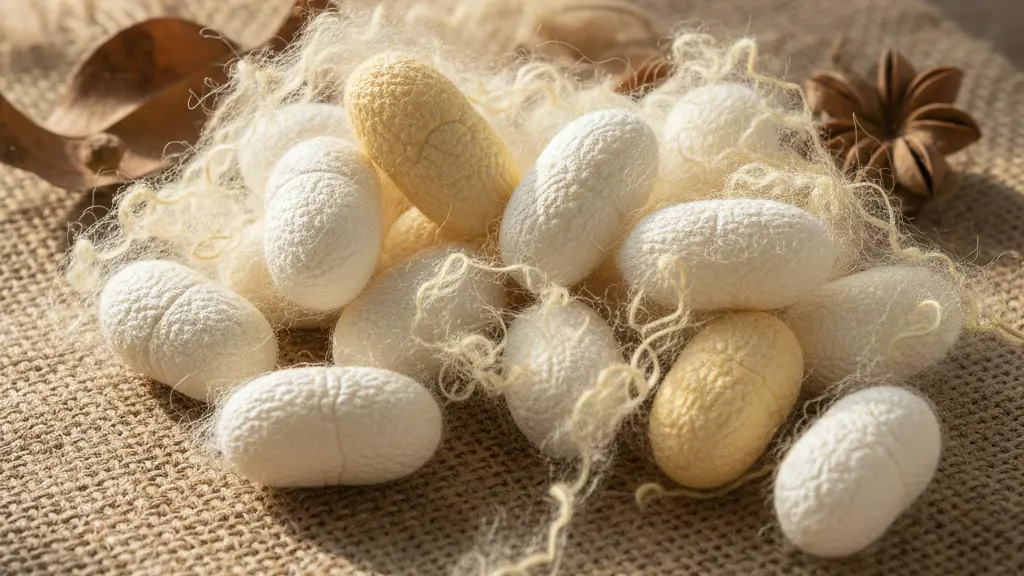
Silkworms spin cocoons made of a continuous silk filament that can reach up to 1000 meters.
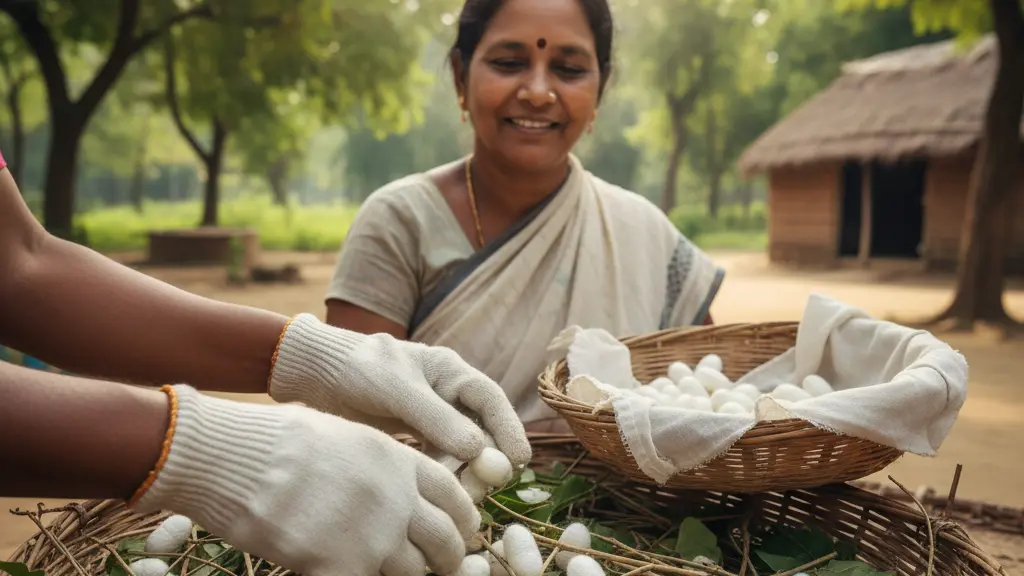
3. Harvesting Cocoons
Cocoons are carefully harvested. In Ahimsa silk, silkworms are allowed to emerge naturally.
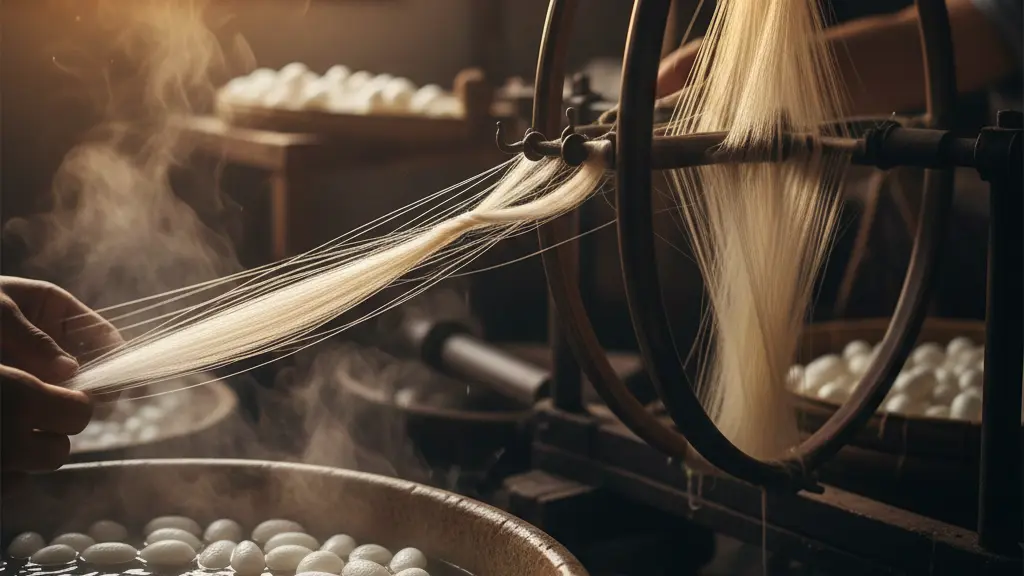
4. Reeling
Filaments are extracted from the cocoon. Multiple filaments are twisted to form threads.
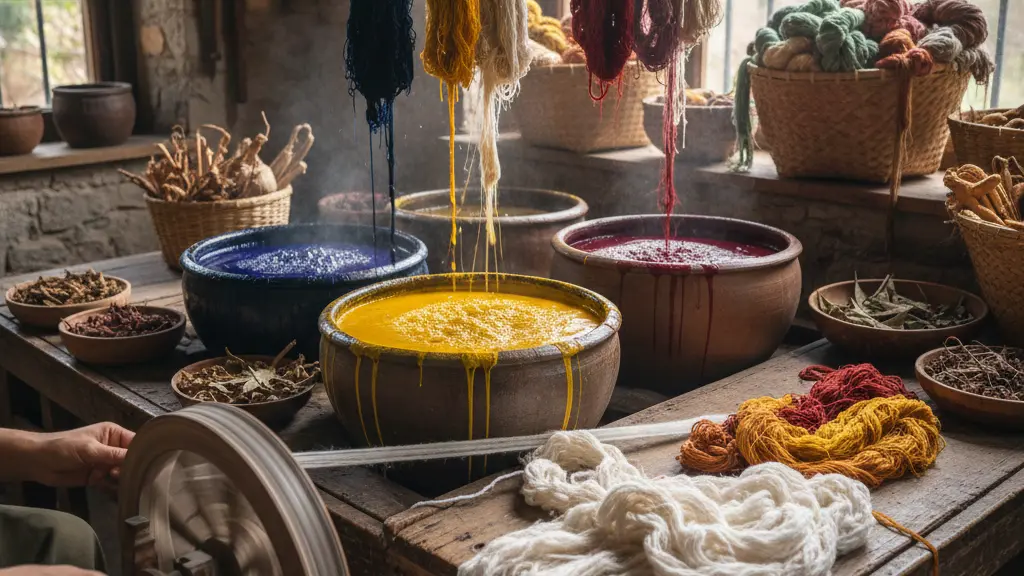
5. Spinning and Dyeing
Threads are spun into yarns and dyed in natural or synthetic colors.
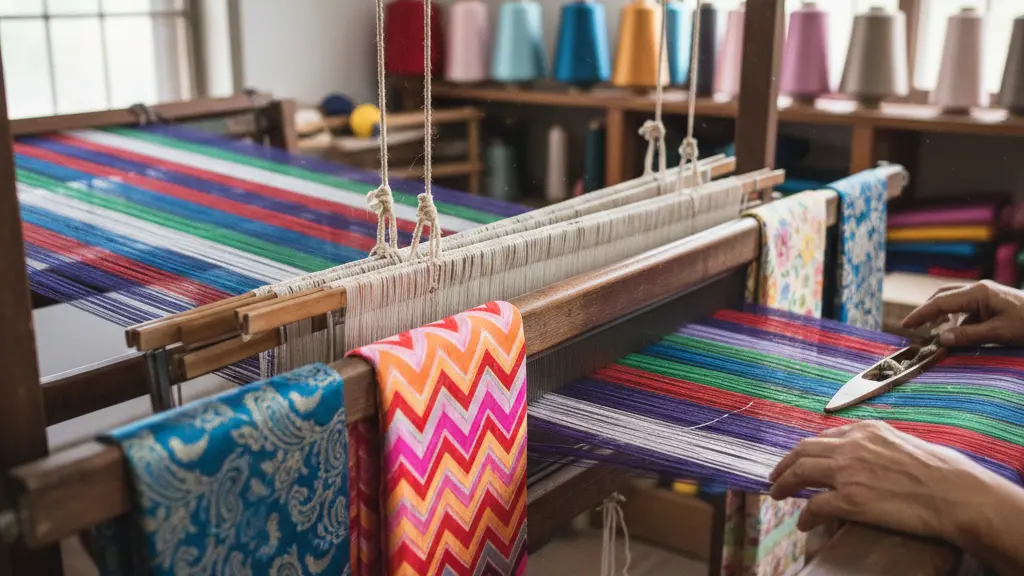
6. Weaving
The threads are woven into different silk fabrics.
Types of Silk Fabric
1. Mulberry Silk
Silkworm: Bombyx mori
Characteristics: Smooth, soft, uniform, natural sheen, very fine.
Uses/Fabrics:
- Crepe de Chine – soft, slightly textured, lightweight.
- Satin Silk – glossy, smooth, ideal for evening gowns.
- Charmeuse – shiny front, matte back, luxurious drape.
- Organza – sheer, crisp, for overlays and decorative fabrics.
2. Tussar Silk
Silkworm: Wild silkworms (Antheraea mylitta, Antheraea paphia)
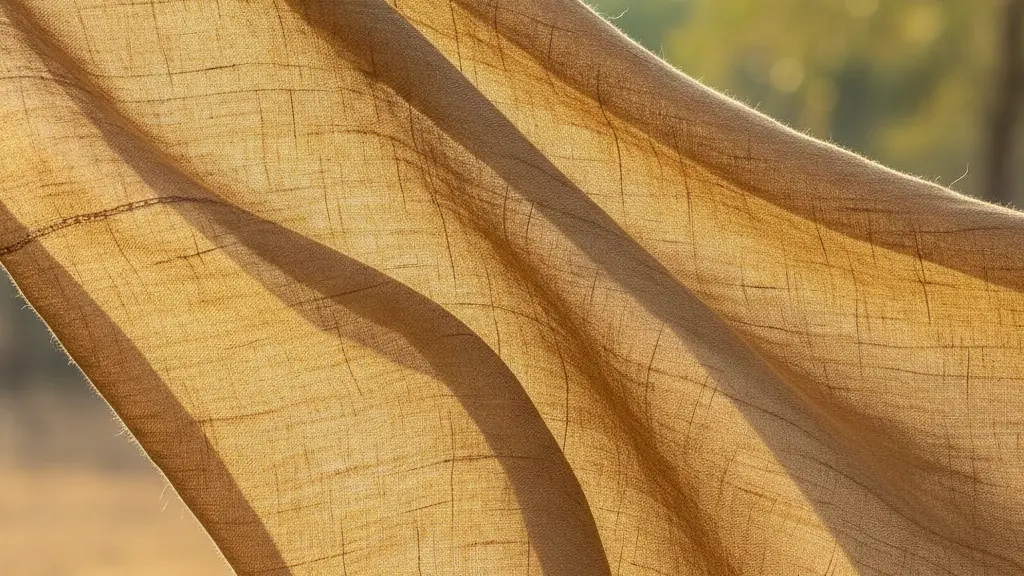
Characteristics: Coarse texture, natural golden color, matte finish.
Uses/Fabrics:
- Sarees, dupattas, and dress materials
- Tussar silk has a rustic, natural feel and is popular in ethnic wear.
3. Eri Silk (Endi Silk)
Silkworm: Samia ricini
Characteristics: Soft, matte, heavier than mulberry, warm.
Uses/Fabrics:
- Shawls, stoles, sarees
- Winter-friendly and eco-friendly silk
4. Muga Silk
Silkworm: Antheraea assamensis
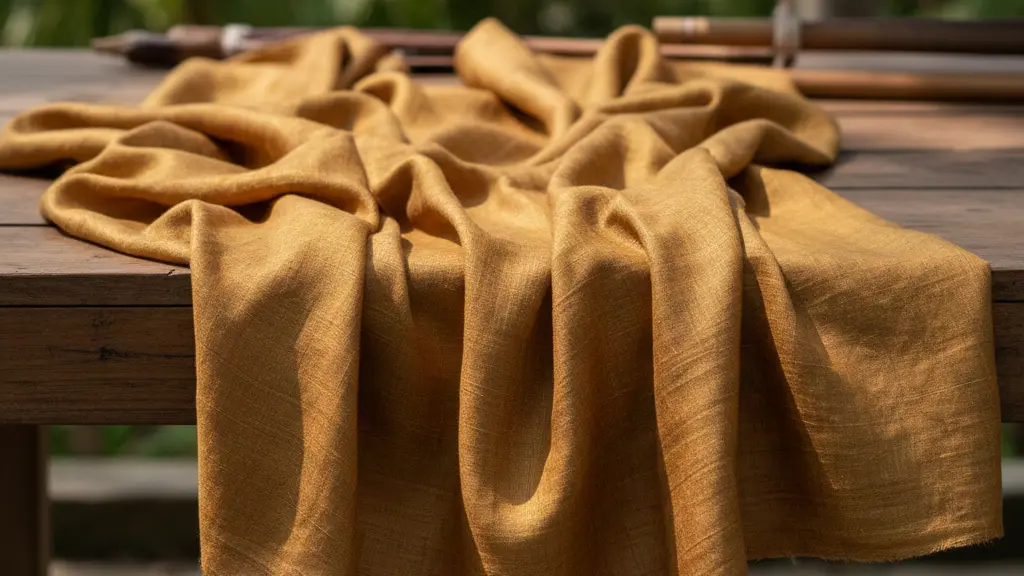
Characteristics: Golden-yellow hue, extremely durable, rare
Uses/Fabrics:
- Traditional Assamese sarees (Muga sarees)
- Luxurious ethnic garments
5. Dupioni Silk
Silkworm: Cross-bred or double cocoons
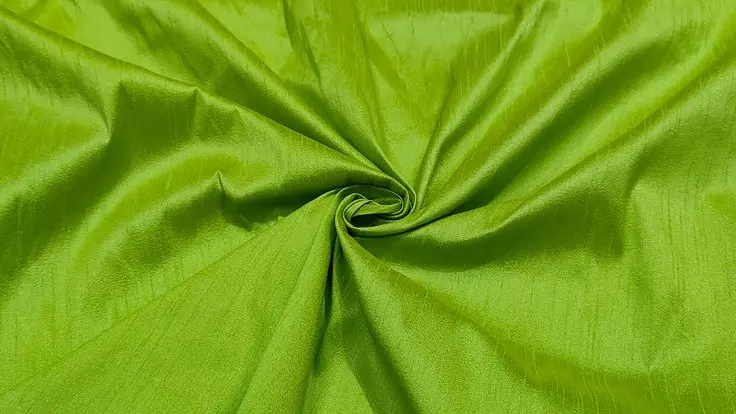
Characteristics: Irregular texture with natural slubs, crisp
Uses/Fabrics:
- Dupioni sarees, lehengas, suits, home décor
- Rich texture, slightly rough but elegant
6. Raw Silk / Ahimsa Silk
Silkworm: Any silk produced without killing the worm
Characteristics: Slightly rough, soft, eco-friendly
Uses/Fabrics:
- Eco-friendly sarees, stoles, dupattas

 and then Add to Home Screen.
