Satin is one of the most luxurious and visually stunning fabrics in the world. Known for its glossy shine, smooth surface, and silky touch, satin has been a favorite among designers and fashion lovers for centuries. From royal gowns to bridal wear and premium upholstery, satin remains a symbol of beauty and elegance.
What is Satin Fabric?
Satin is defined by its weave, not its fiber. In weaving, threads are interlaced in patterns.
The three main weaves are:
- Plain weave (cotton, muslin)
- Twill weave (denim, gabardine)
- Satin weave (satin fabric)
Satin uses a floating yarn technique:
- Warp yarn floats over 4–12 weft yarns
- Then interlaces with 1 yarn
- This reduces intersections
- Result = a smooth, reflective surface
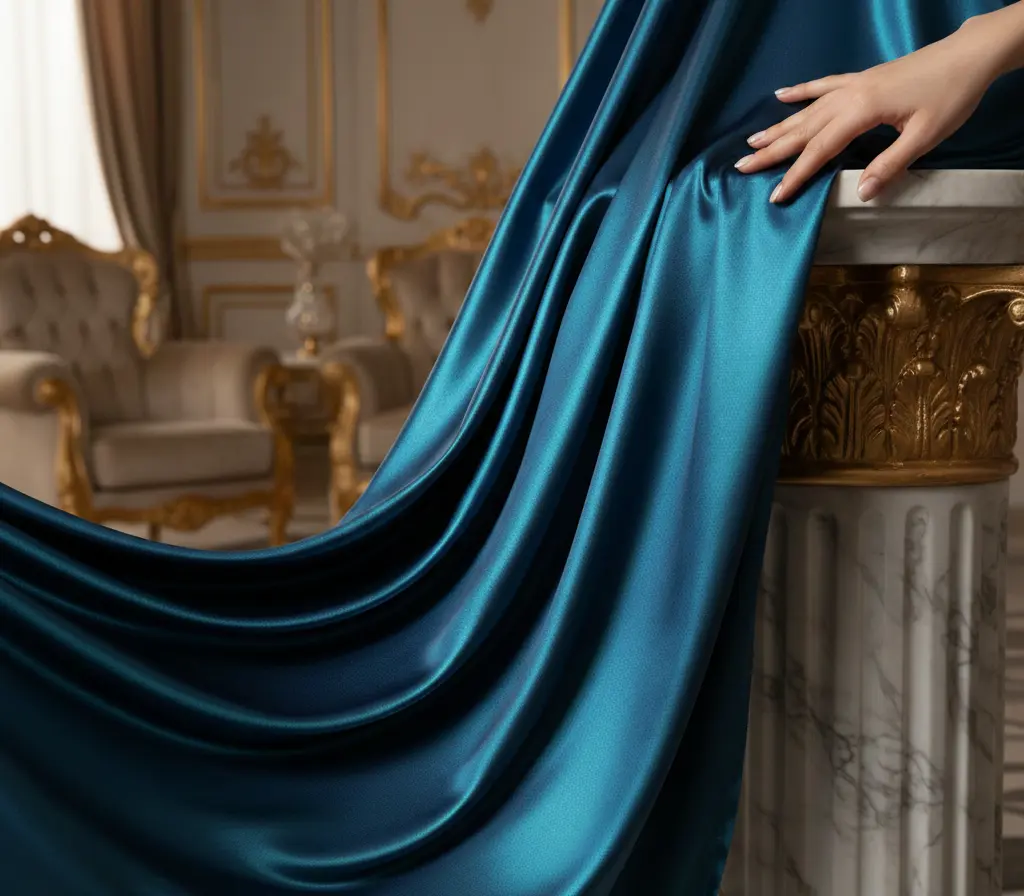
This weave structure spreads the light evenly, creating a mirror-like shine. The shiny side is called the face; the opposite side is dull.
Why Satin Shines?
The smooth surface and minimal interlacing allow light to:
- Travel freely across the fabric
- Bounce uniformly
- Create a continuous glossy reflection
Fibers like silk and polyester enhance this effect because they’re naturally smooth and shiny.
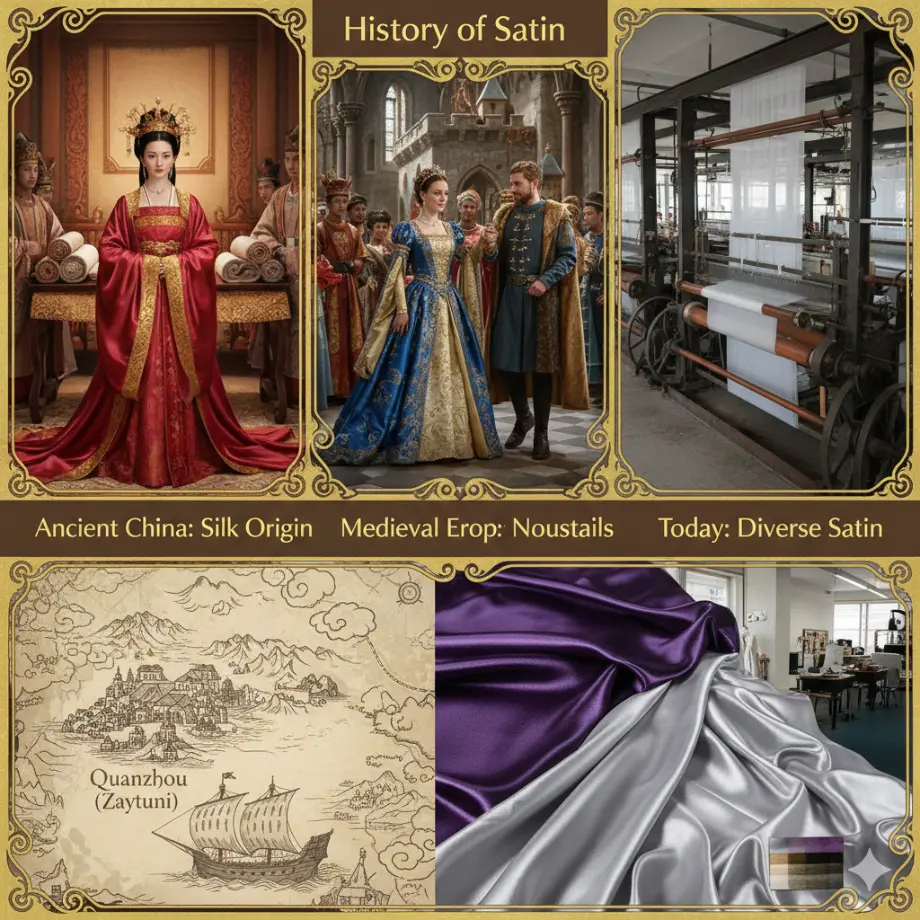
History of Satin
- Originated in China over 2000 years ago
- Initially woven only from pure silk
- The name comes from “Zaytuni,” referring to the port of Quanzhou, a major silk-exporting city
- Used by royalty in Europe during the Middle Ages
- Industrial revolution introduced polyester/nylon satin
- Today, satin is available from affordable poly satin to ultra-premium silk satin
How Satin Fabric Is Made
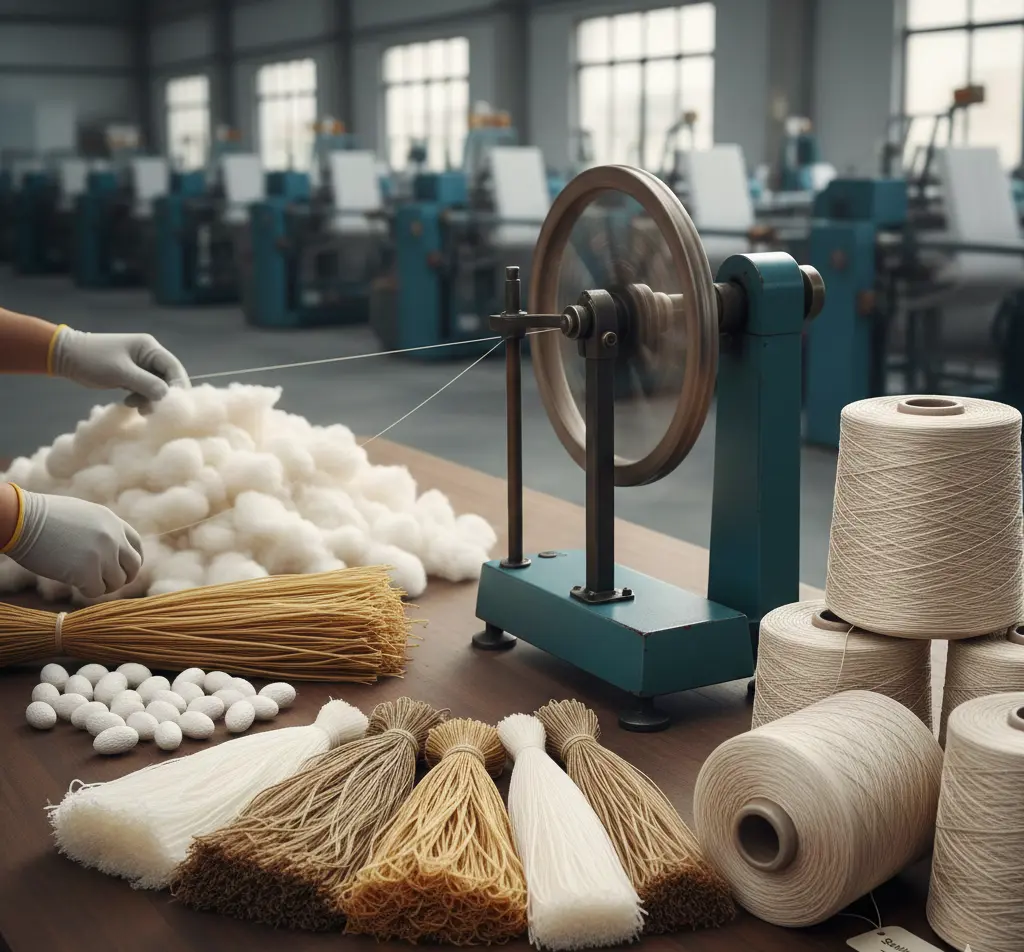
1. Fiber Selection & Yarn Spinning
Satin can be made from:
- Silk
- Polyester
- Nylon
- Acetate
- Viscose
Silk satin is the most luxurious. Polyester satin is most widely used today.
Yarn is spun to be:
- Smooth
- Even
- Low-friction
- Lustrous
This helps achieve a clean satin surface.
2. Degumming (for Silk Satin)
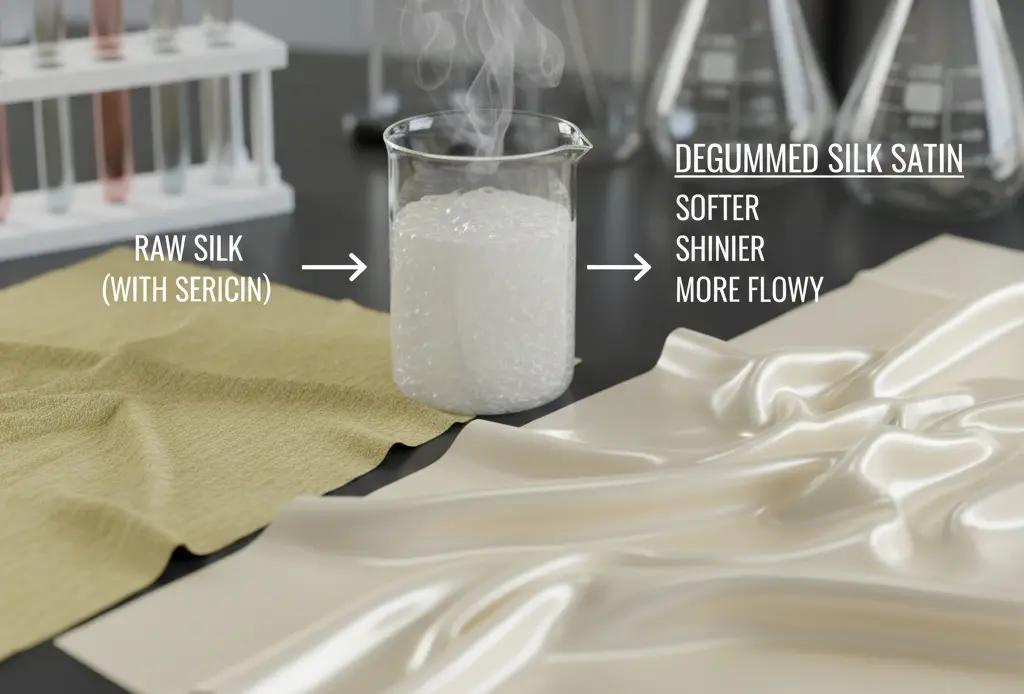
Raw silk contains gum (sericin).
It is removed through boiling → silk becomes:
- Softer
- Shinier
- More flow
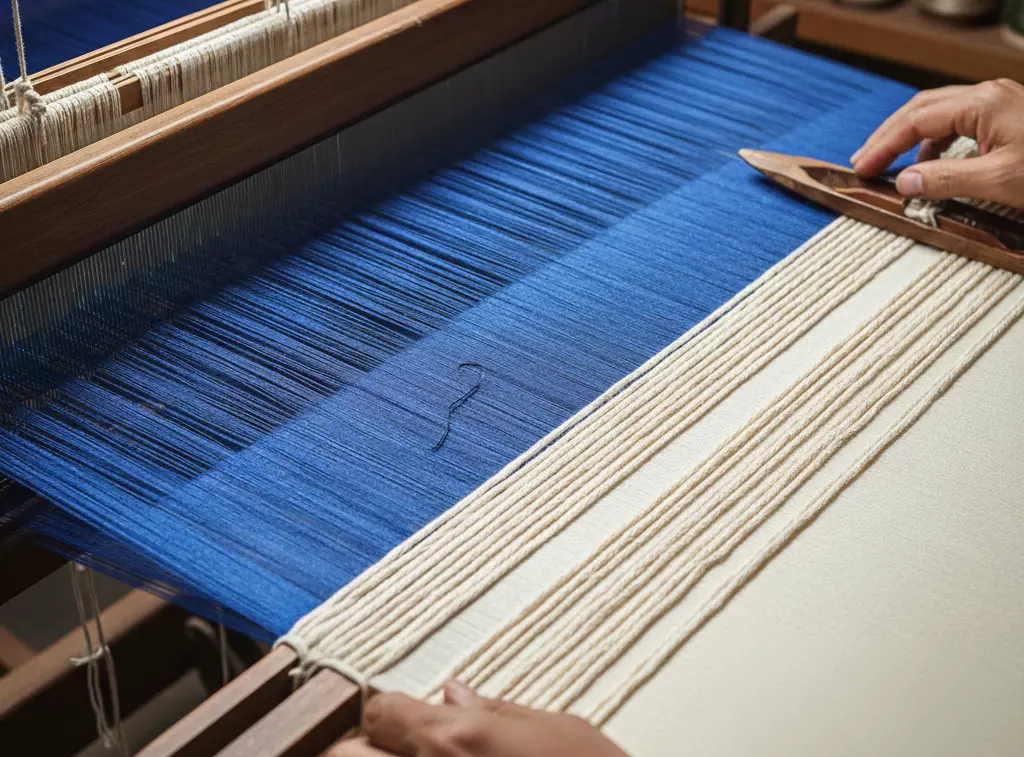
3. The Satin Weave Process
Satin weaving requires expertise because:
- It has fewer binding points
- Mistakes show easily
- Requires high-quality yarn
Warp floats create the shine.
Weft floats create heavier satin.
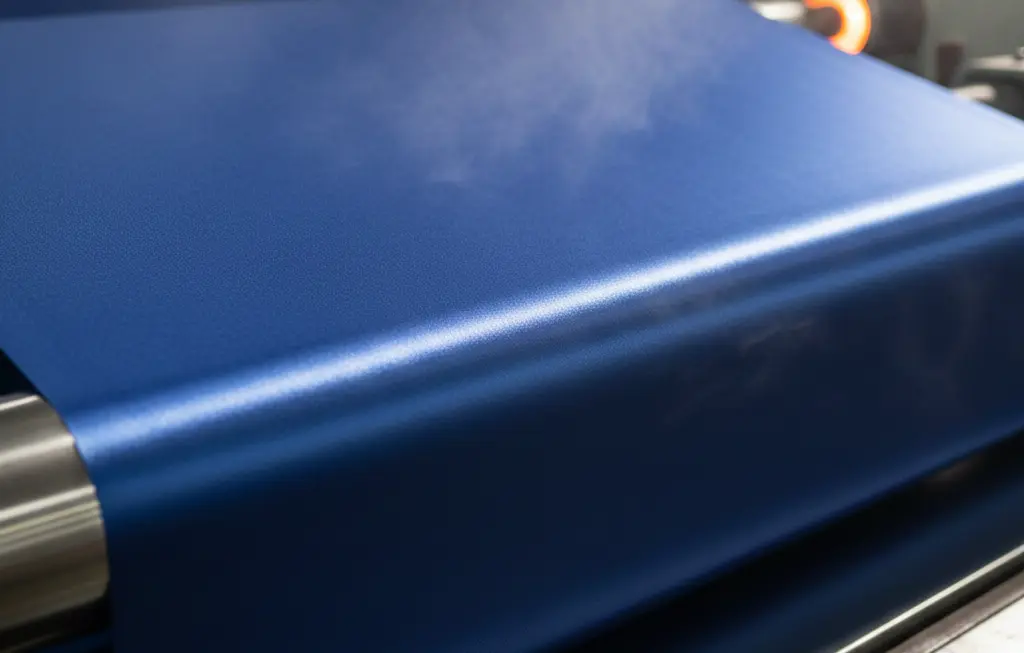
4. Heat Setting
Heat sets the weave structure:
- Locks yarn in position
- Increases durability
- Improves drape
- Enhances shine
Used especially for polyester satin.
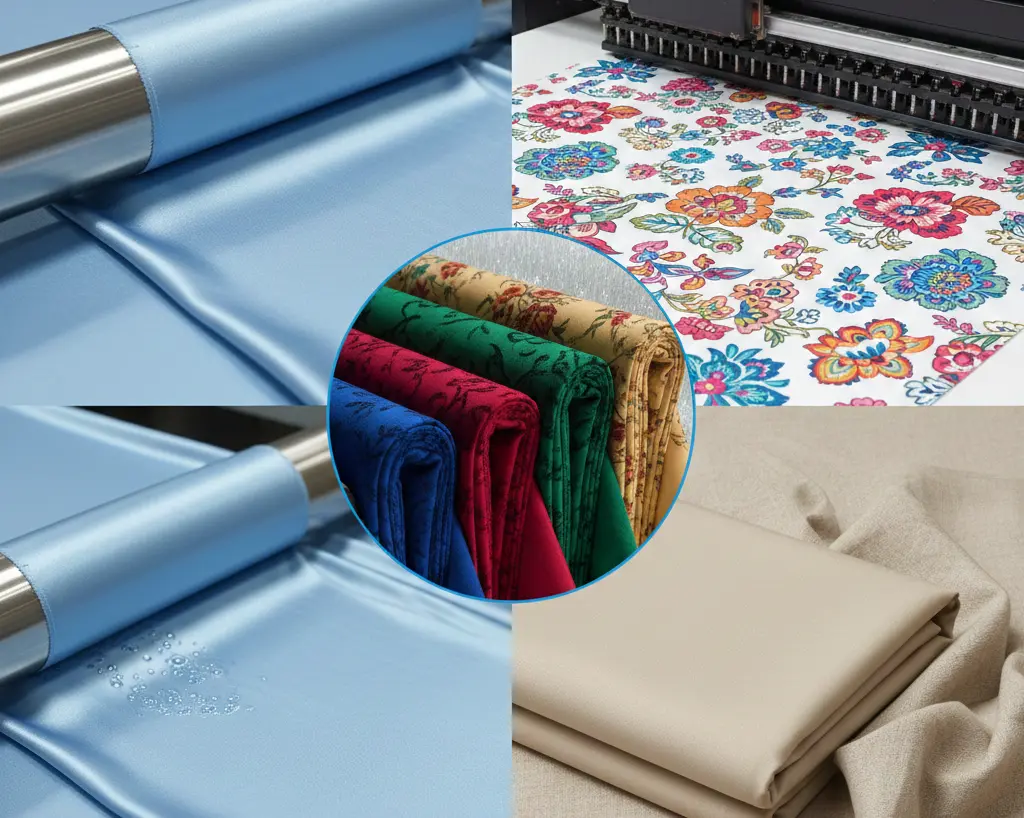
5. Finishing Treatments
To improve performance:
- Softening agents
- Calendering (pressure rollers)
- Mercerization (for cotton satin)
- Dyeing
- Digital printing
- Anti-static finish
- Wrinkle-free finish
These improve shine, color depth, softness, and stability.
Types of Satin Fabric
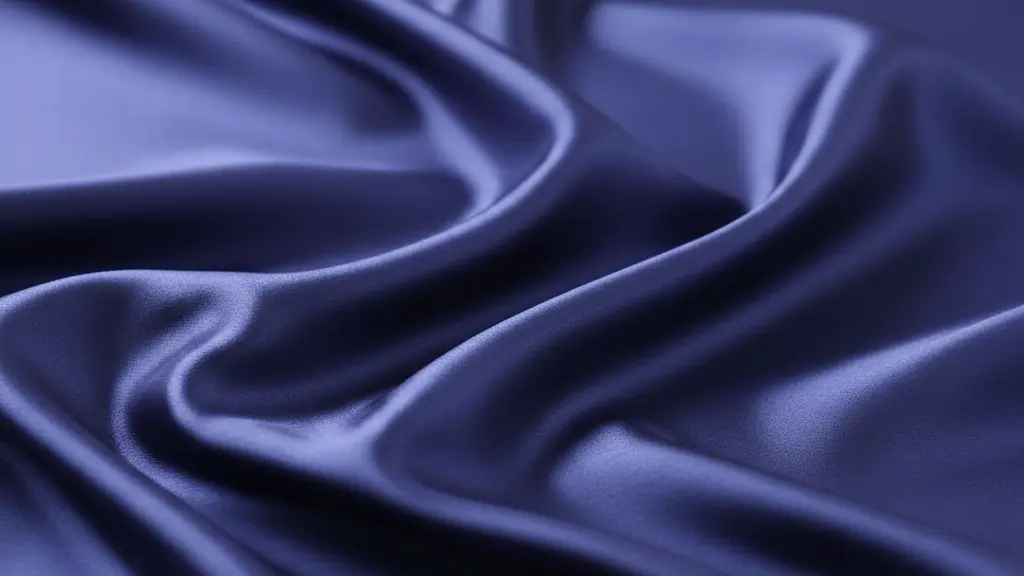
1. Silk Satin (Mulberry Satin)
- Pure silk
- Ultimate luxury
- Glossy, breathable, soft
- Used in couture gowns, bridal wear, premium sarees
2. Polyester Satin
- Affordable and durable
- Wrinkle-resistant
- Most commonly used in garments and décor
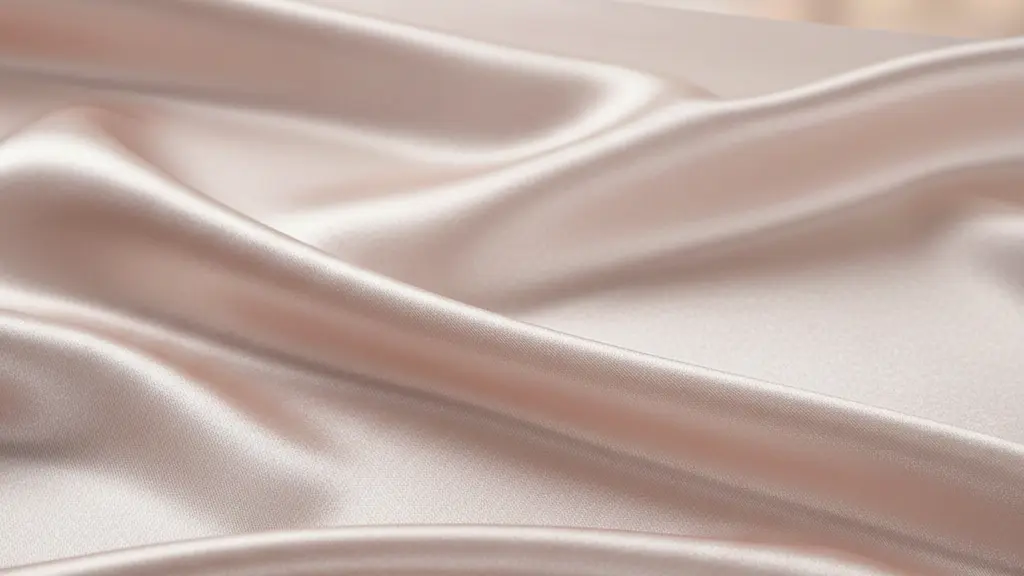
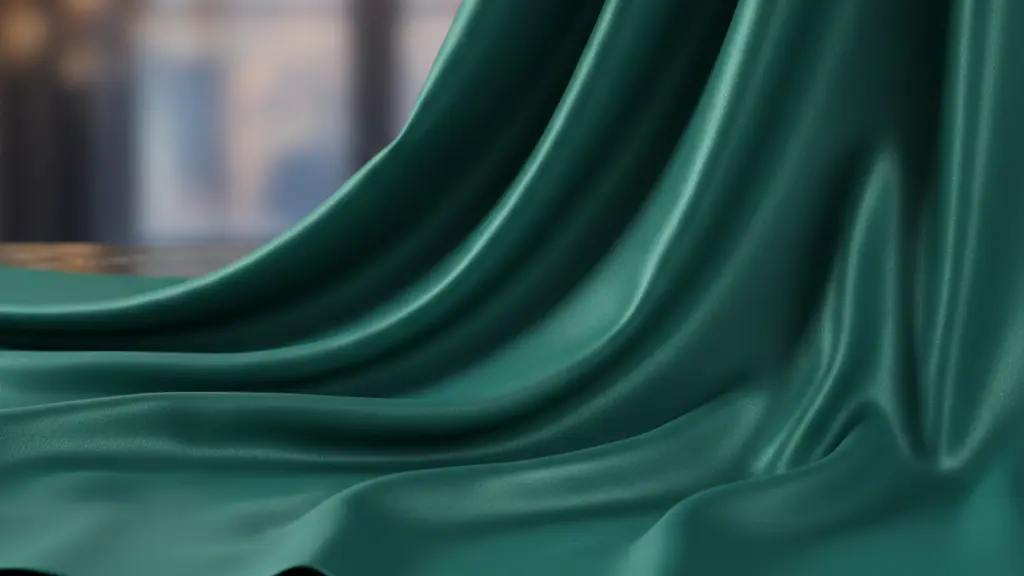
3. Charmeuse Satin
- Lightweight and fluid
- High shine on one side
- Mostly used in gowns, lingerie, nightwear
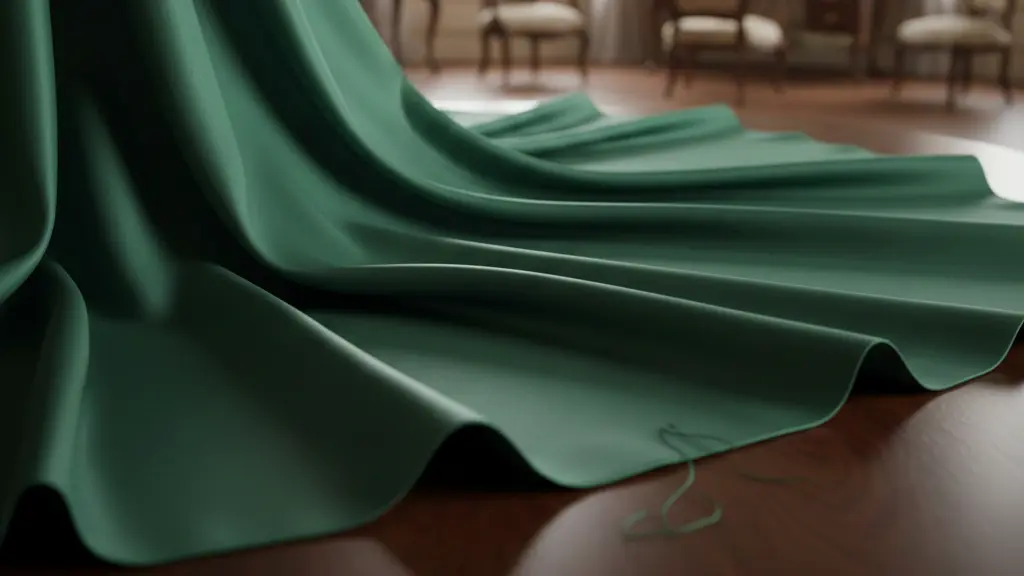
4. Duchess Satin
- Heavy and structured
- Matte shine
- Perfect for bridal gowns, lehengas, evening gowns
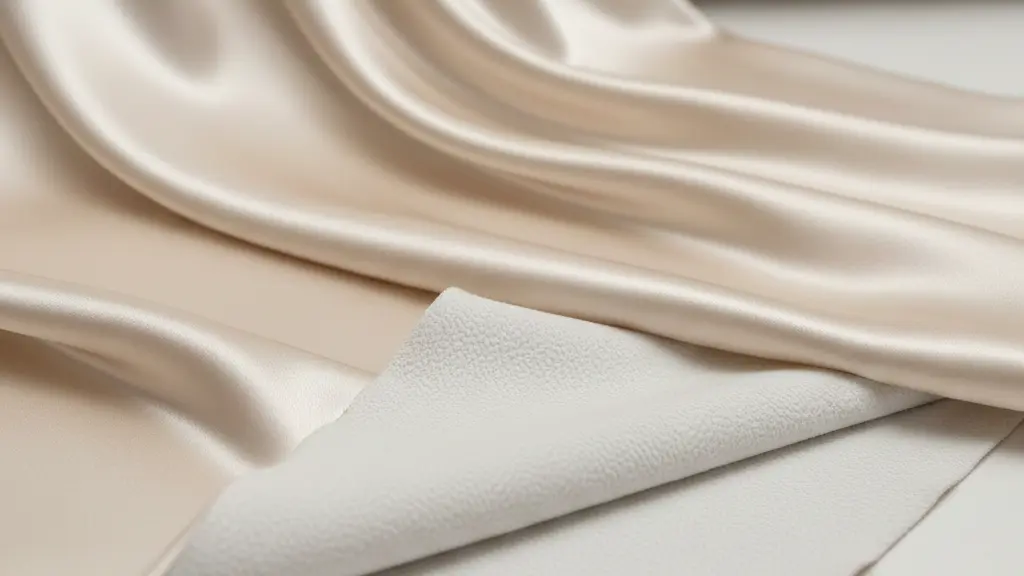
5. Crepe Back Satin
- Satin on one side
- Crepe texture on the other
- Two fabrics in one → versatile for blouses and sarees
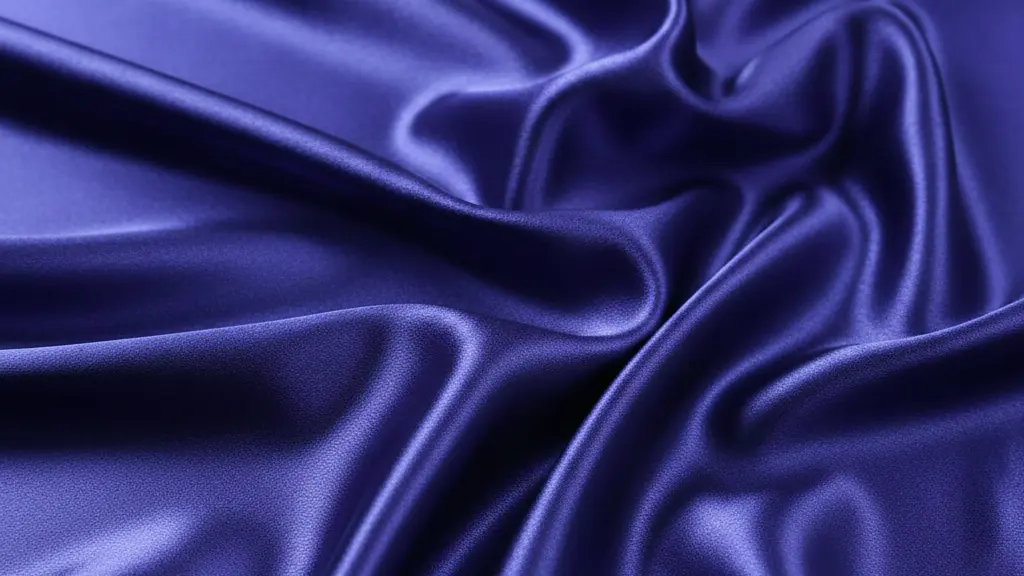
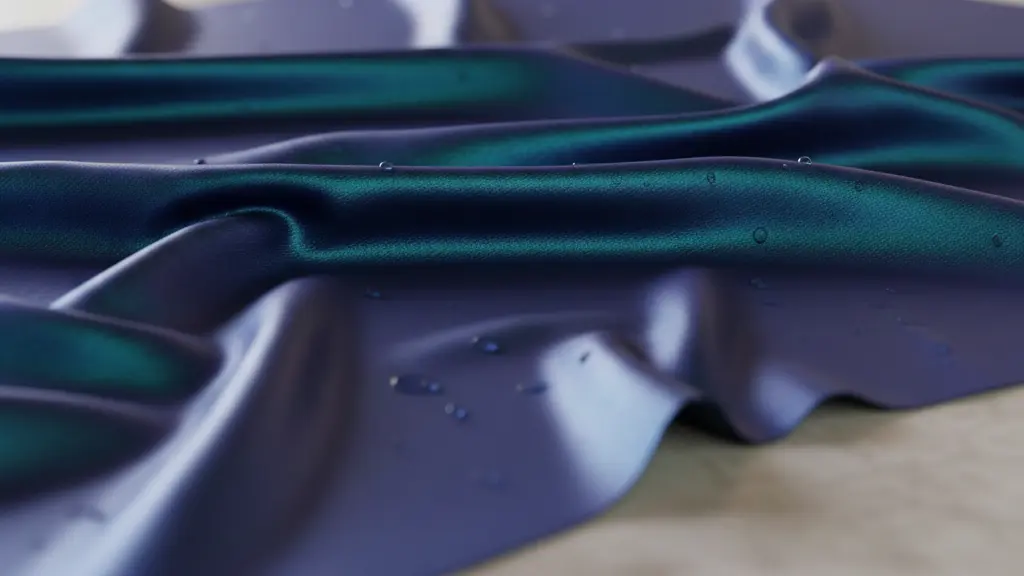
7. Messaline Satin
- Lightweight
- High luster
- Smooth and very glossy
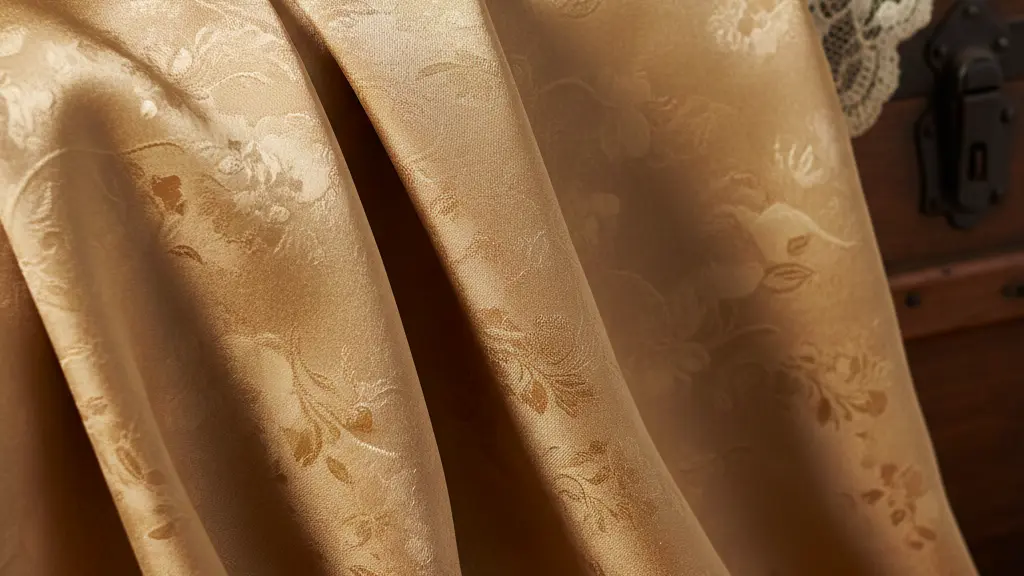
8. Antique Satin
- Dull, vintage sheen
- Used in upholstery and retro fashion
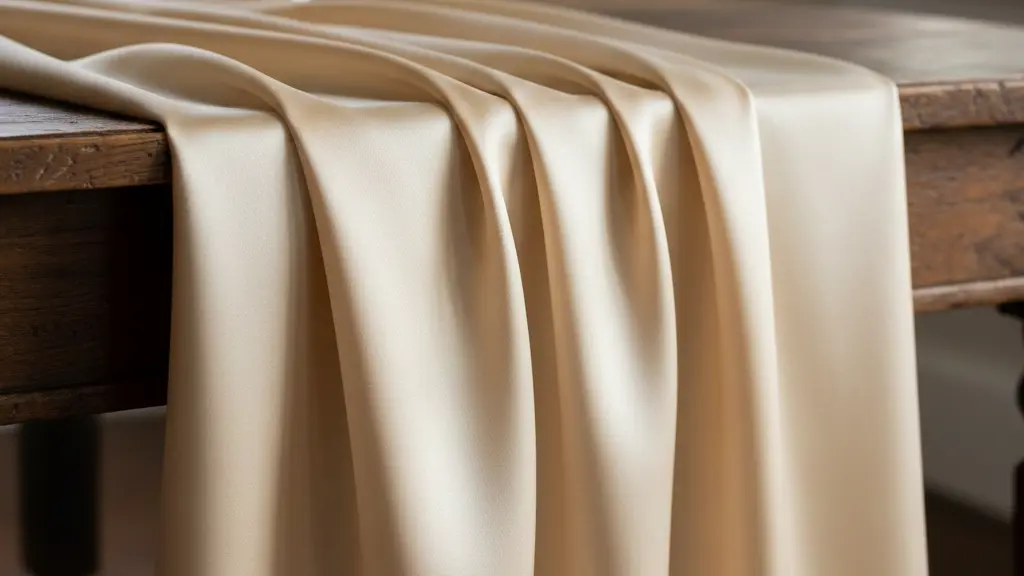
9. Peau de Soie (French Satin)
- "Skin of silk"
- Soft, semi-matte
- Ideal for luxury bridal wear
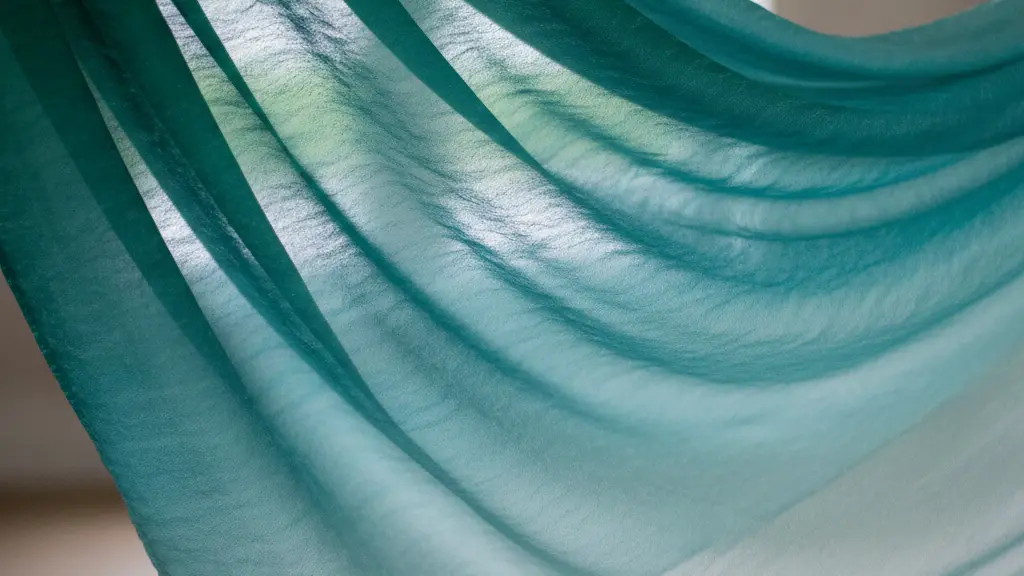
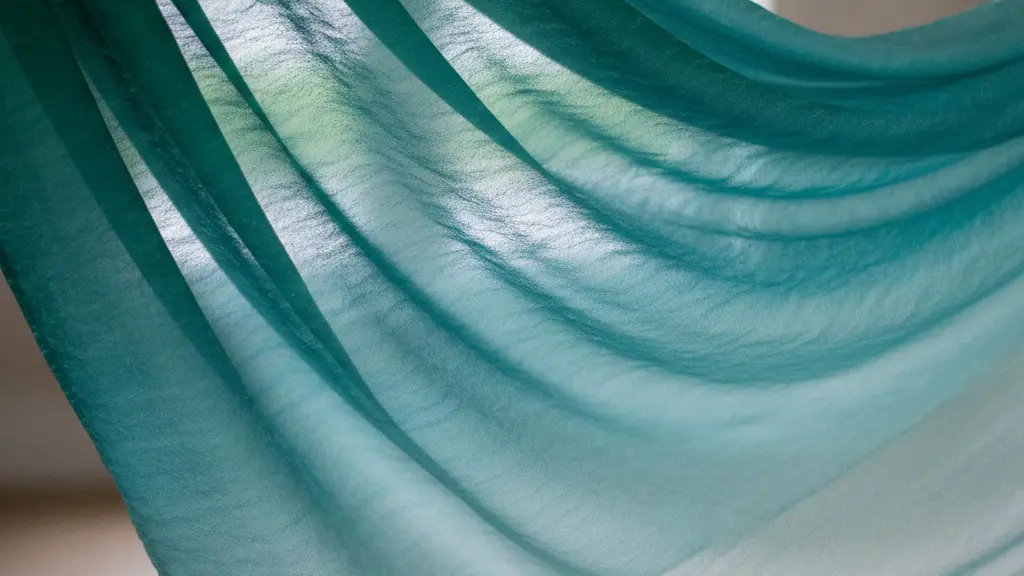
10. Satin Georgette
- Lightweight, flowy
- Slight shine
- Perfect for sarees and dupattas
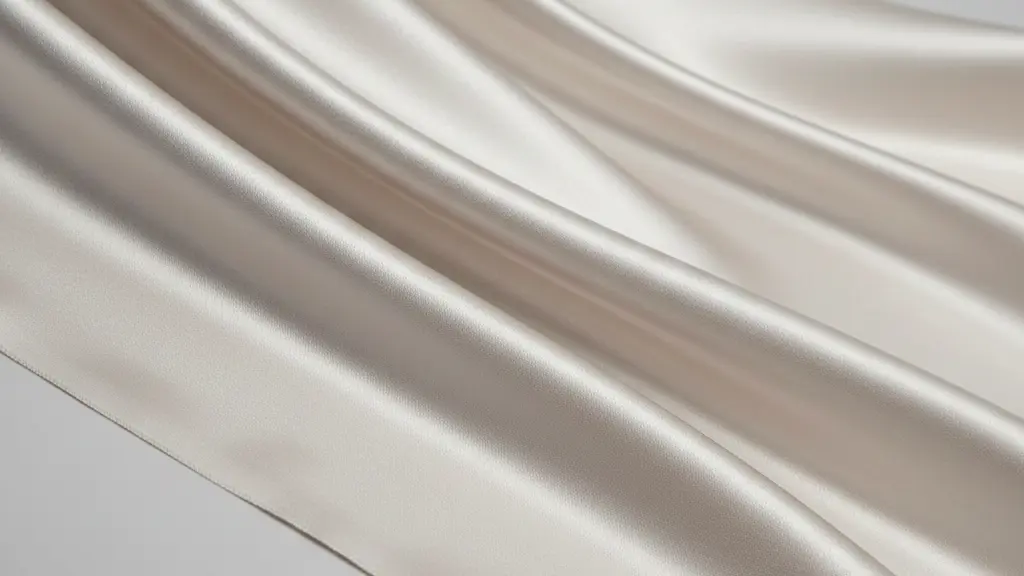
11. Baronet Satin
- Rayon + cotton blend
- Semi-shiny
- Used in menswear, upholstery
12. Slipper Satin
- Medium-thick
- Used for shoes, handbags, and accessories
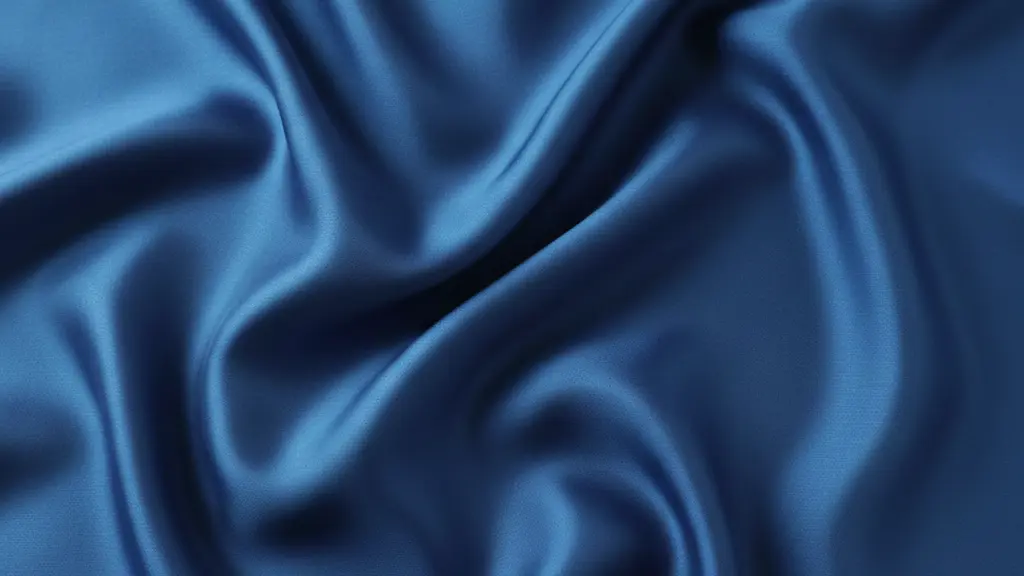
13. Sateen (Cotton Satin)
- Made using cotton
- Semi-shiny, soft, breathable
- Popular for bed sheets
Characteristics of Satin Fabric
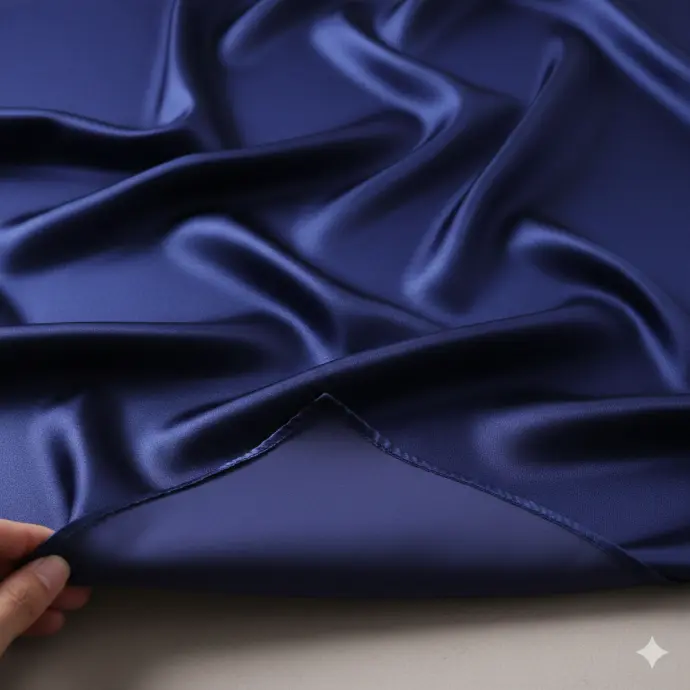
- Ultra-smooth & shiny face
- Matte or dull underside
- Elegant drape
- High tensile strength
- Soft and comfortable
- Feels cool to touch
- Deep, rich color absorption
- Luxurious appearance
Uses of Satin Fabric
Fashion & Apparel
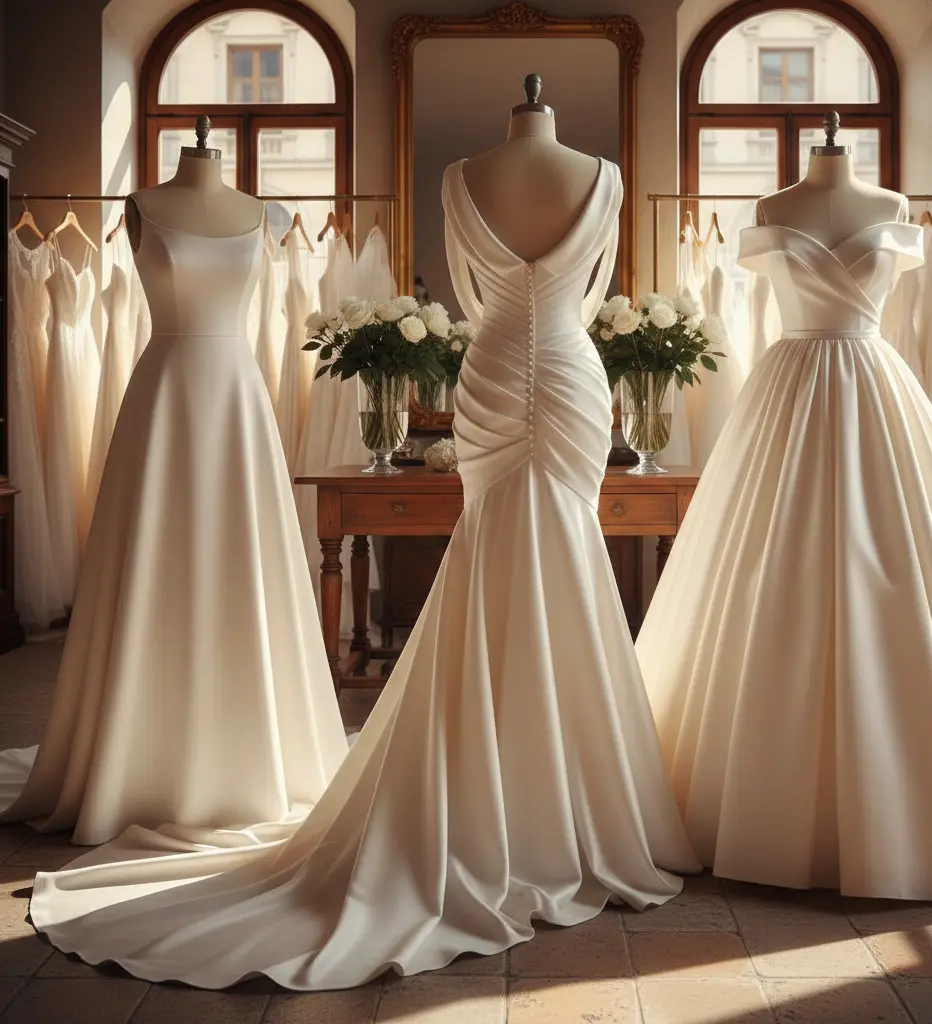
Bridal gowns
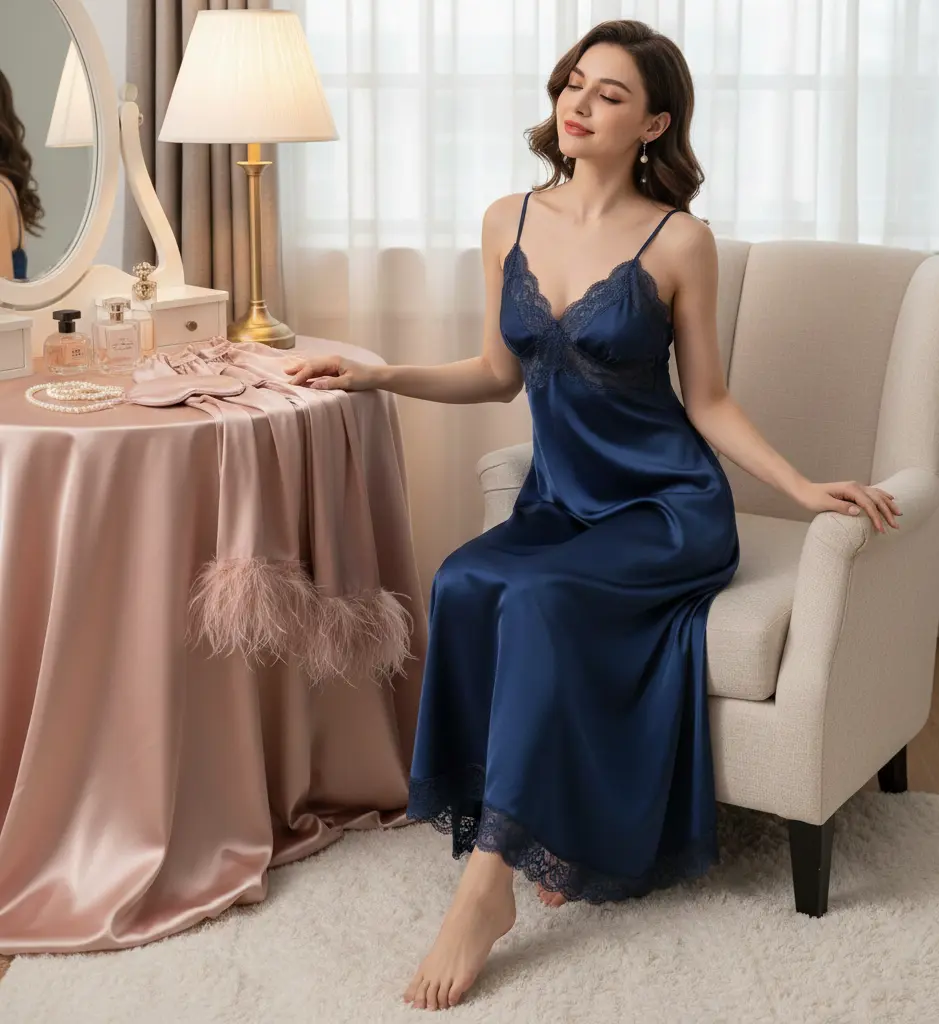
Lingerie & nightwear
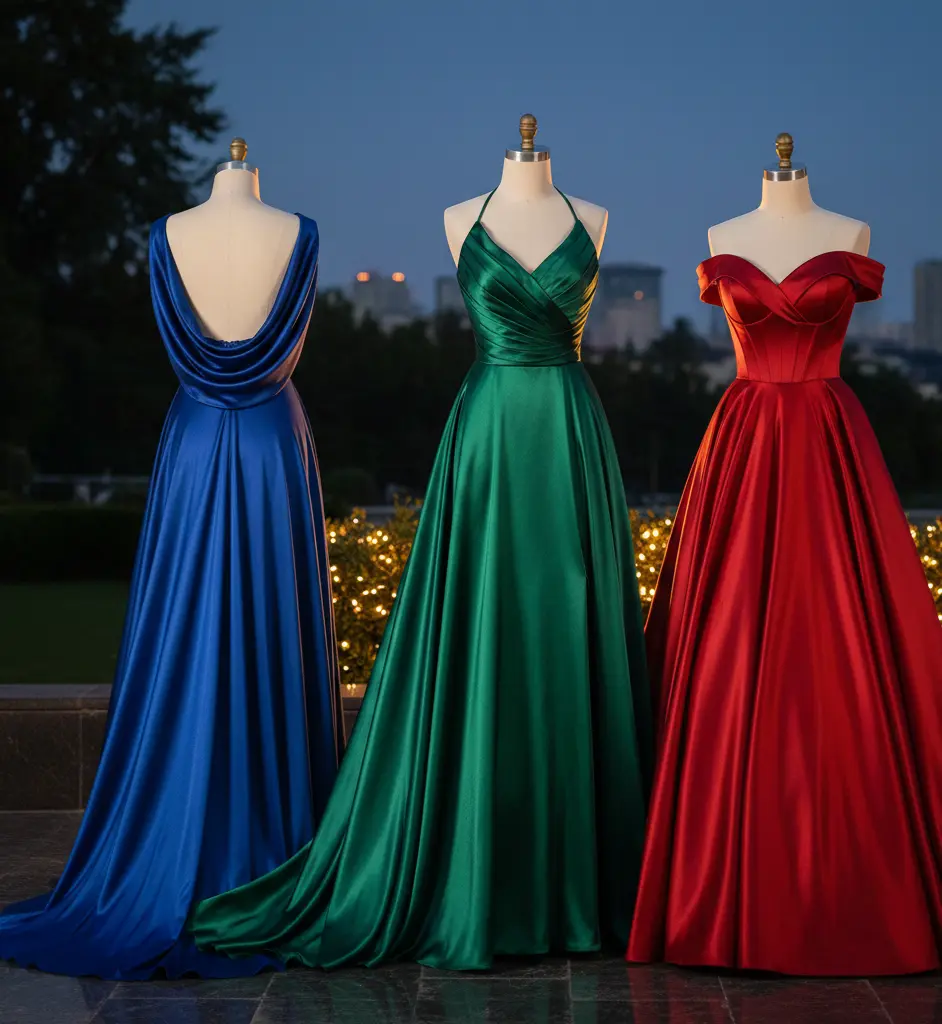
Evening gowns
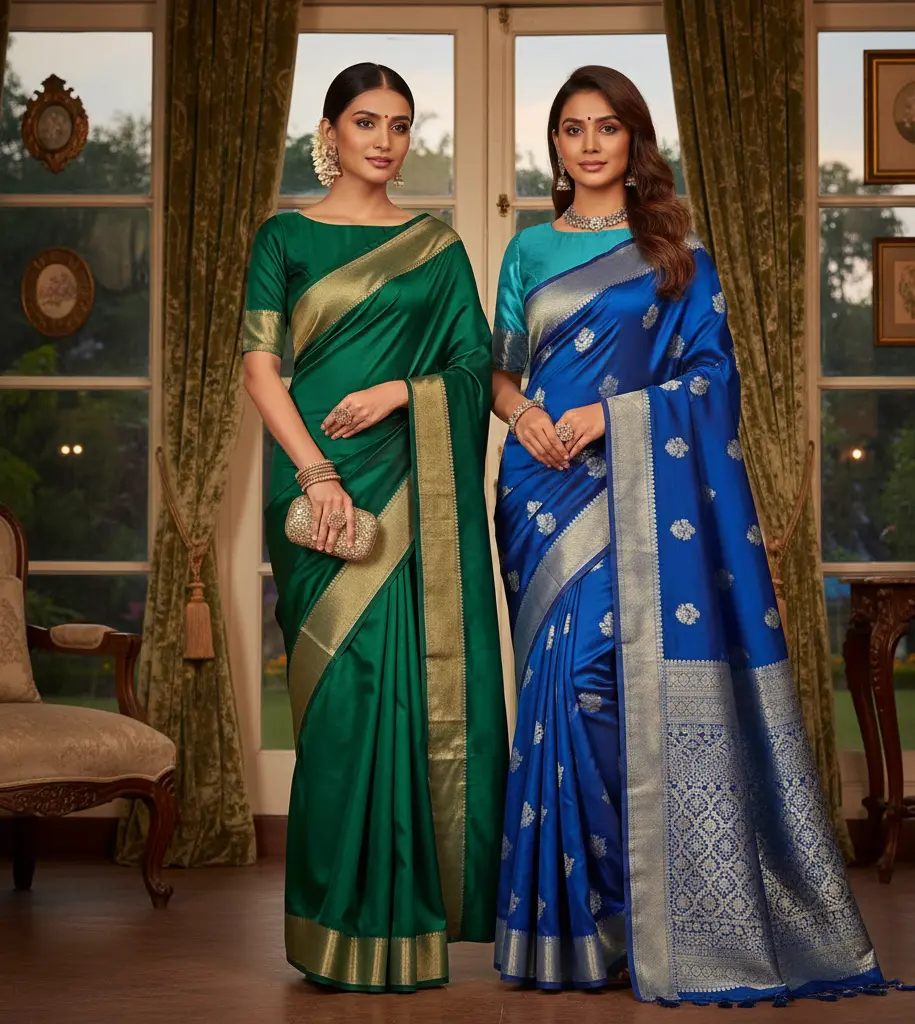
Sarees and blouses
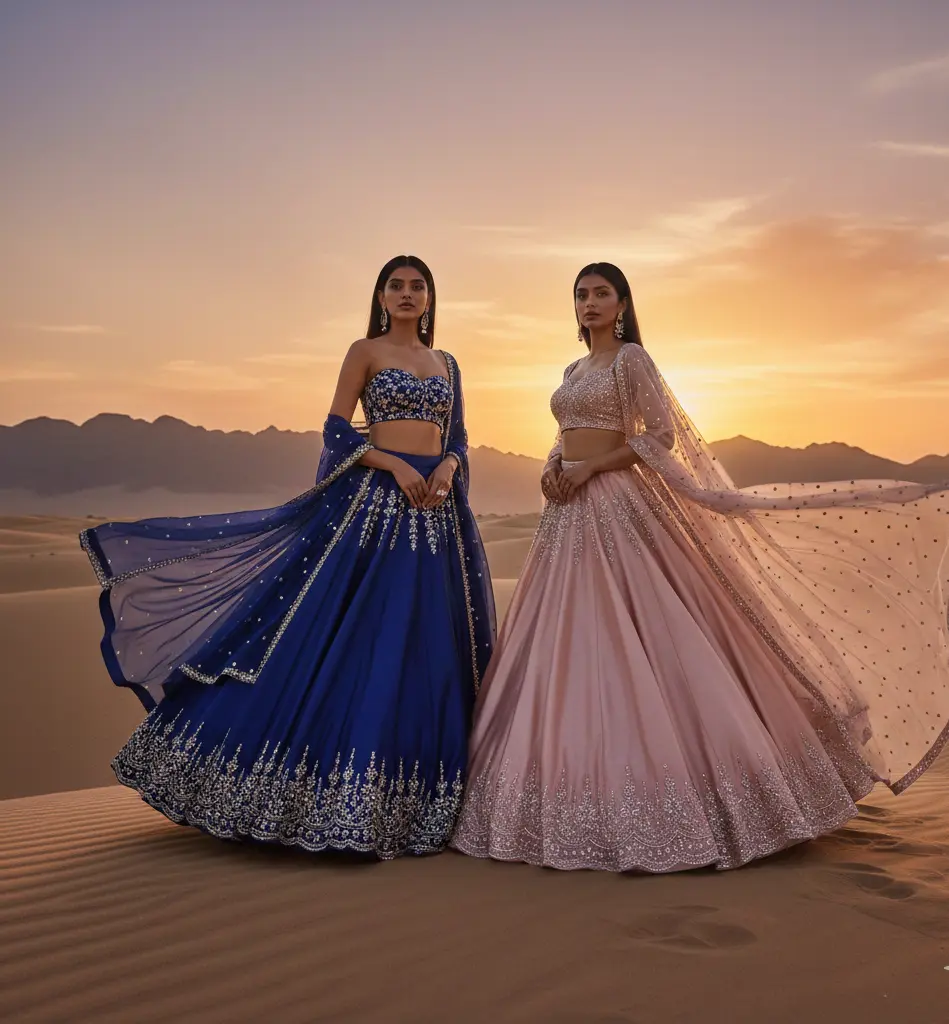
Lehengas
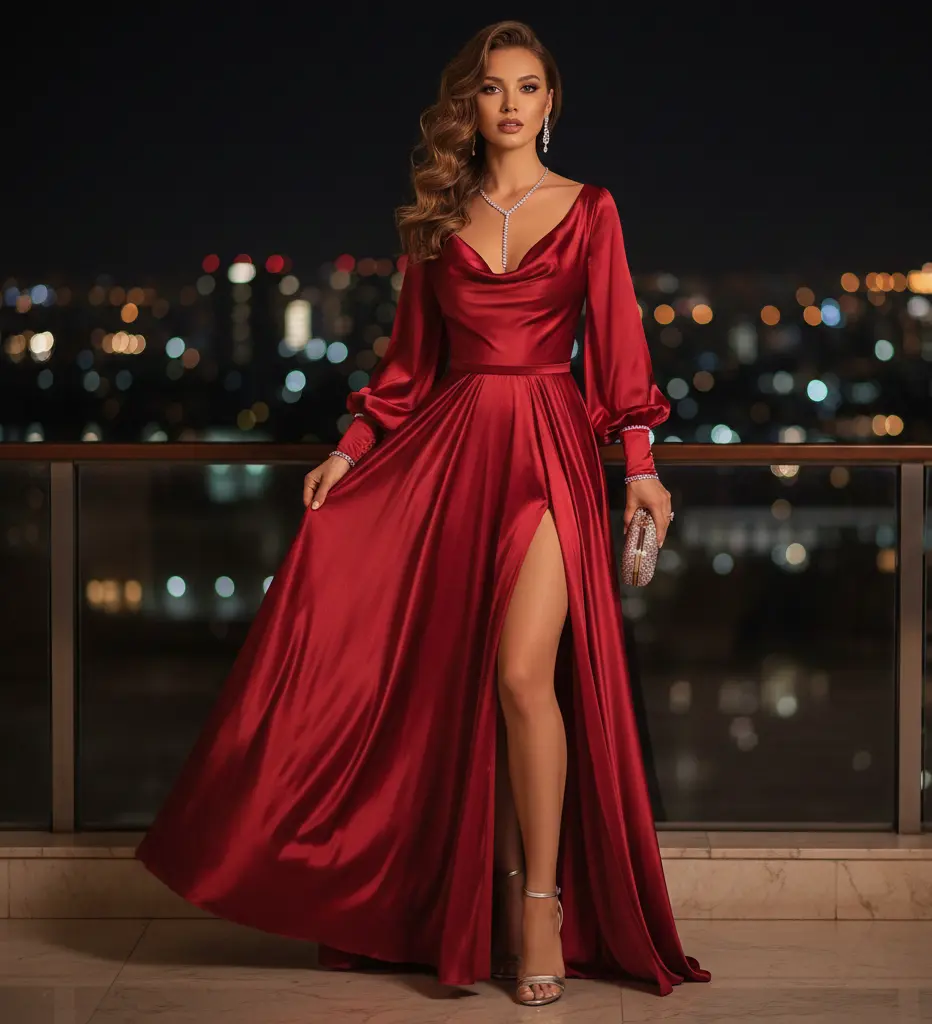
Party wear
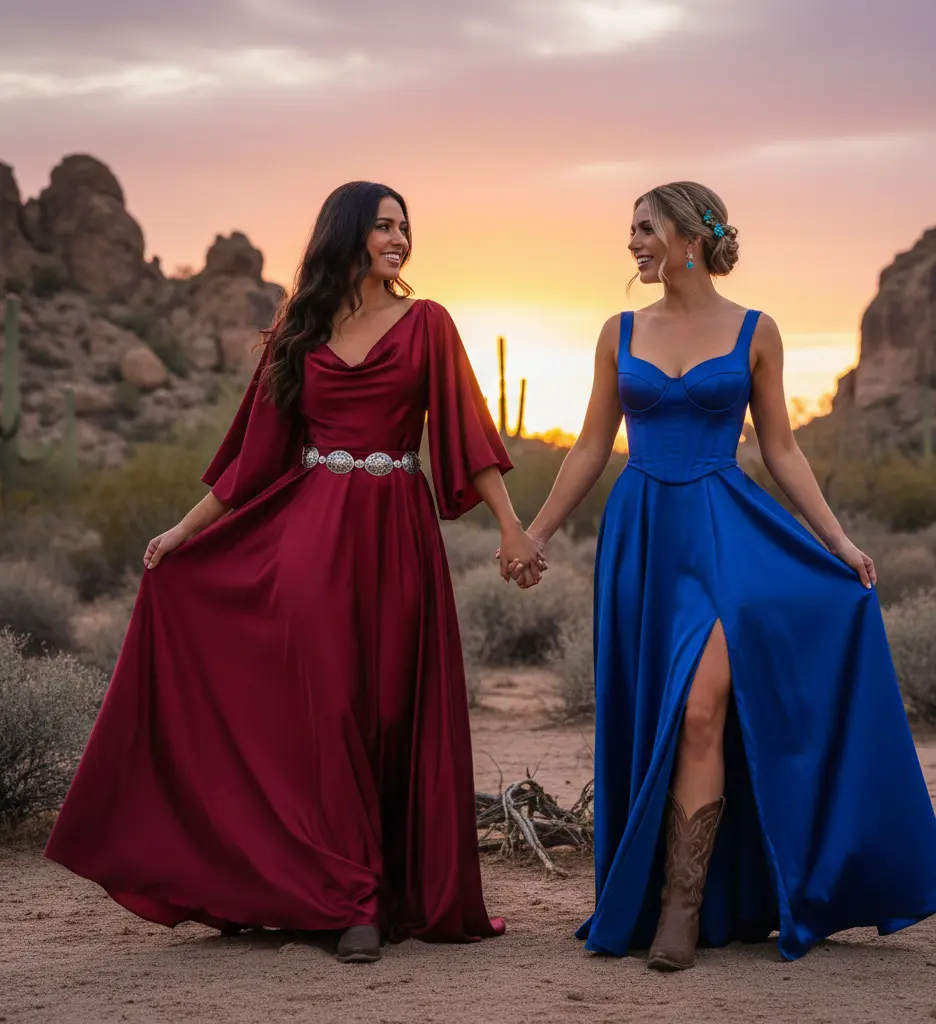
Western dresses
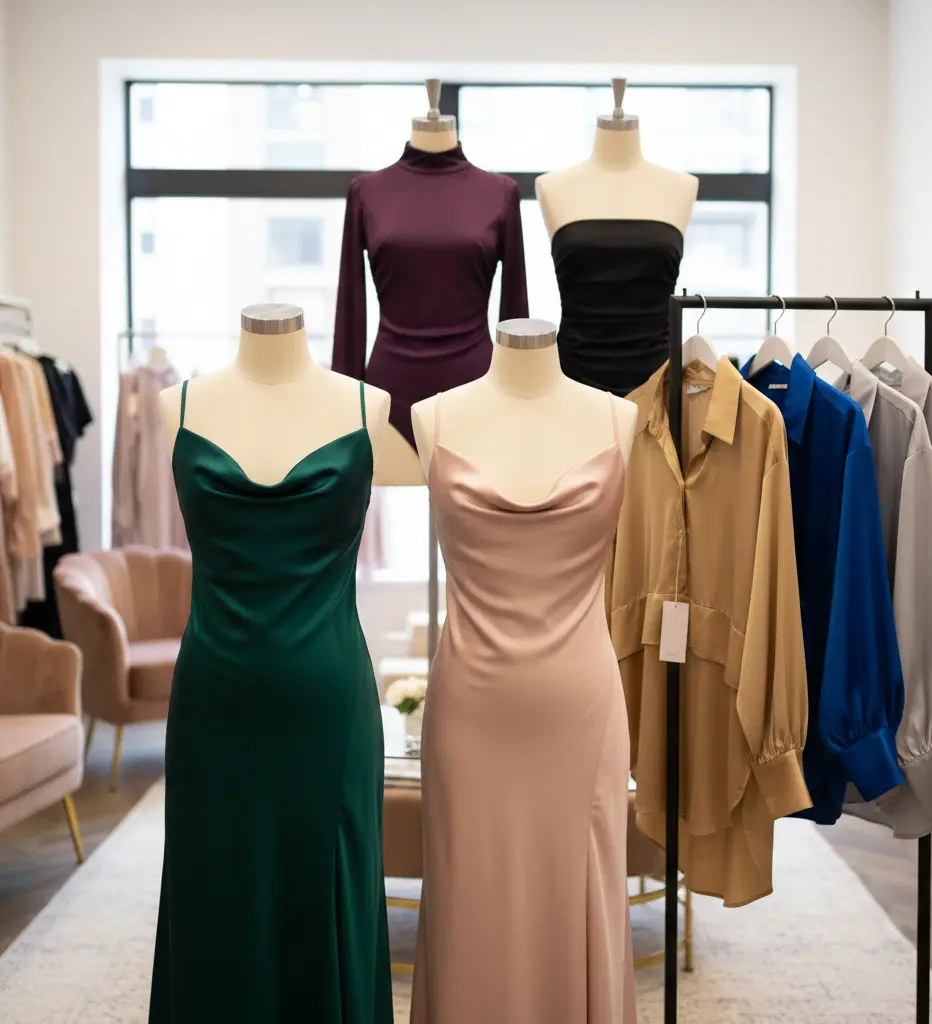
Shirts & bodysuits
Accessories
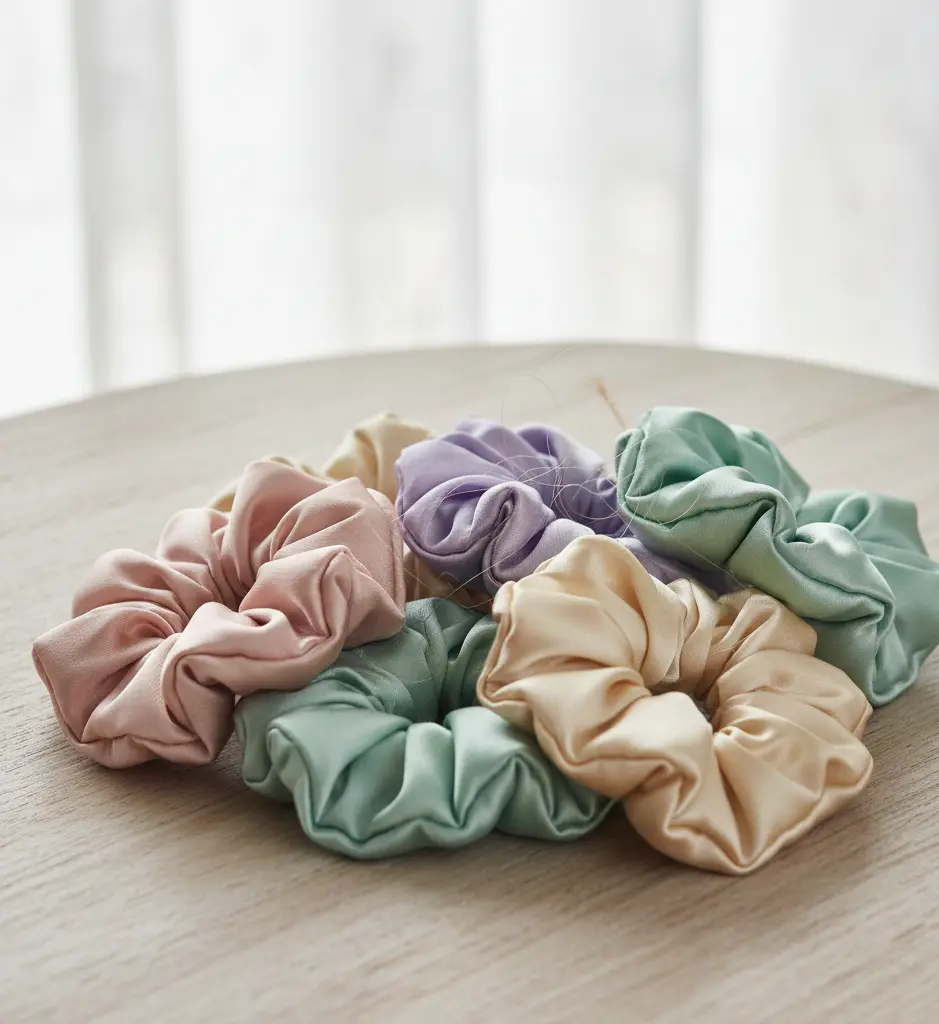
Hair scrunchies
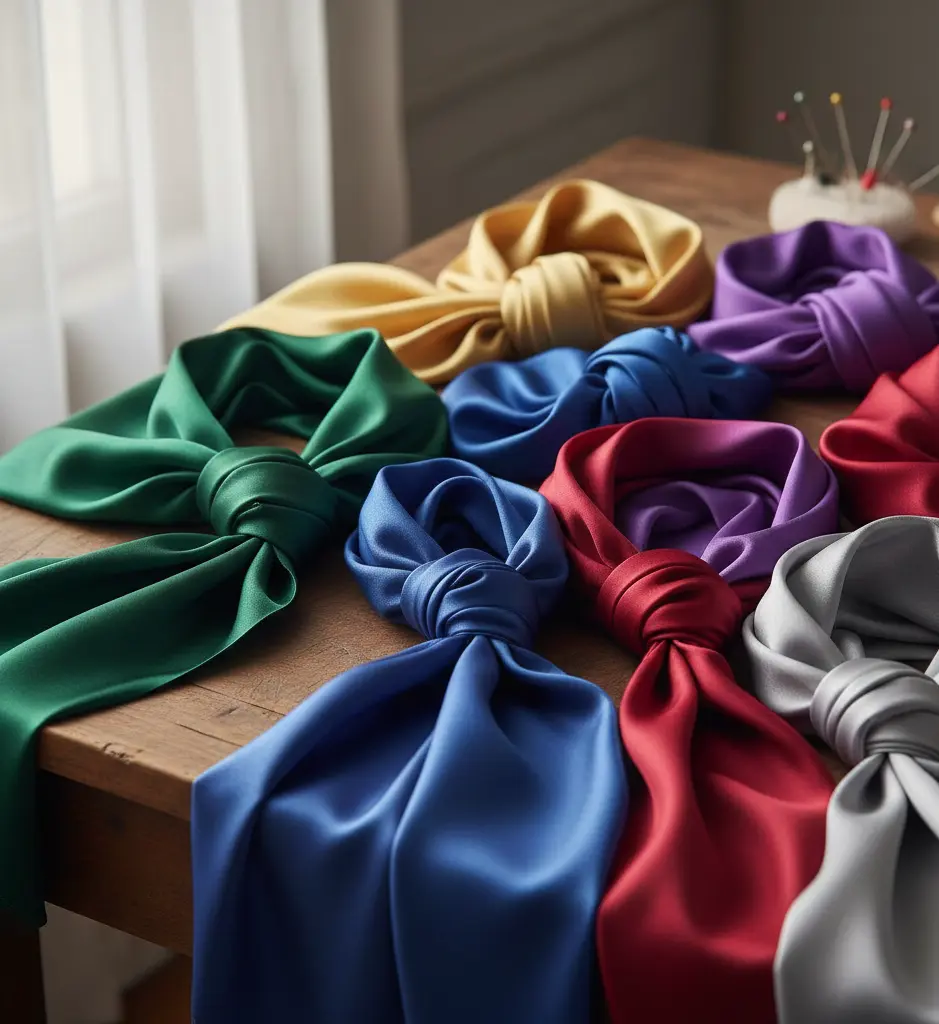
Scarves
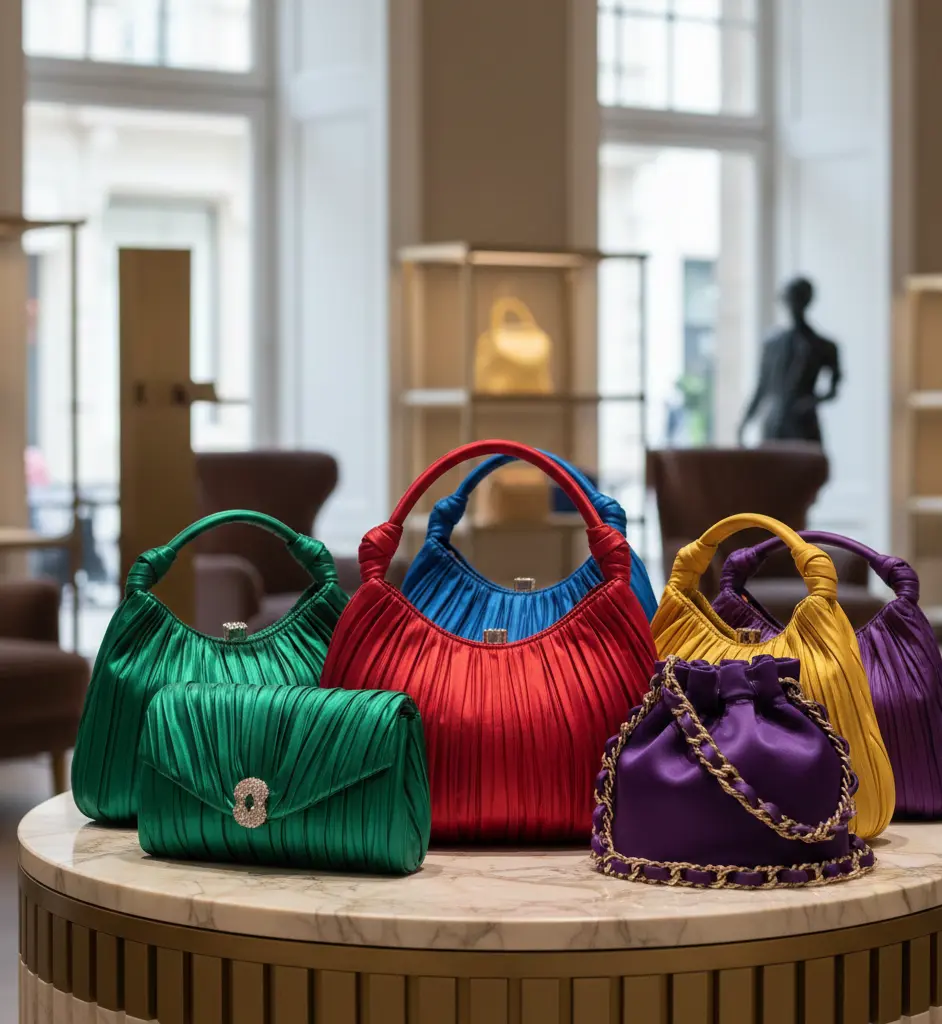
Luxury bags
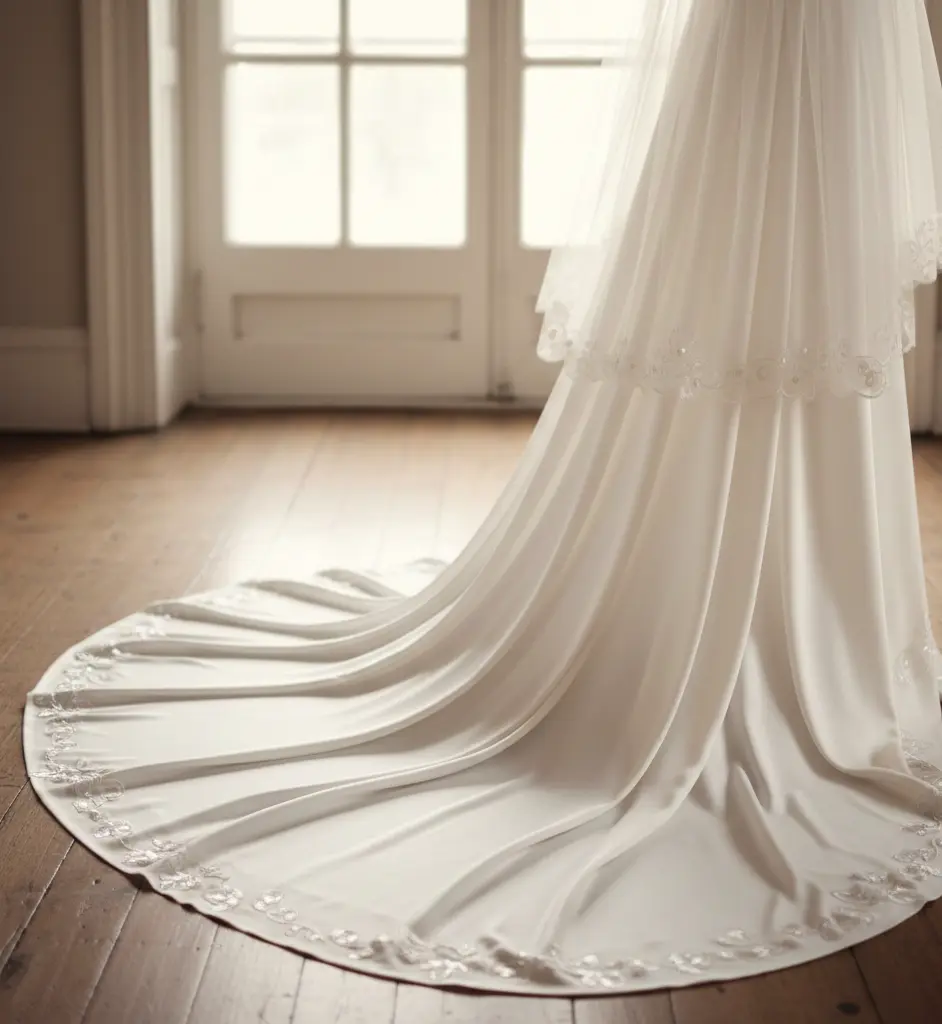
Bridal veils
Home Décor
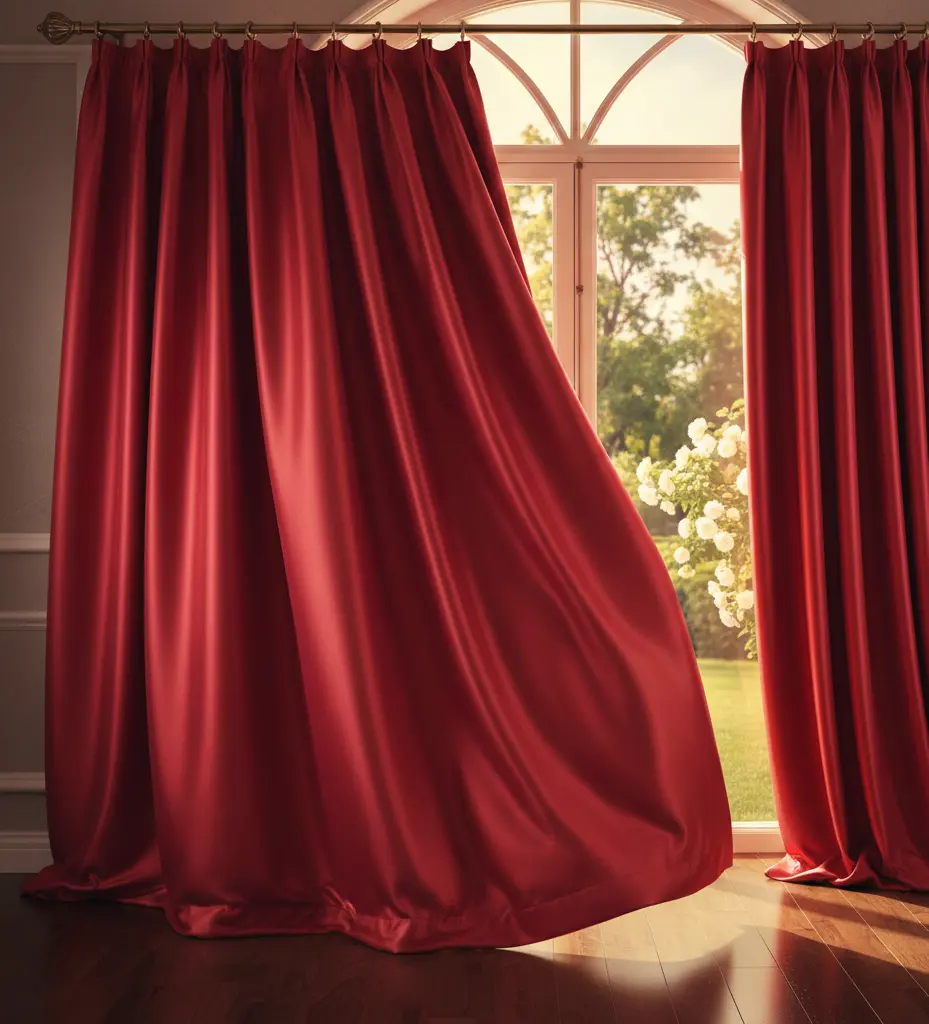
Curtains
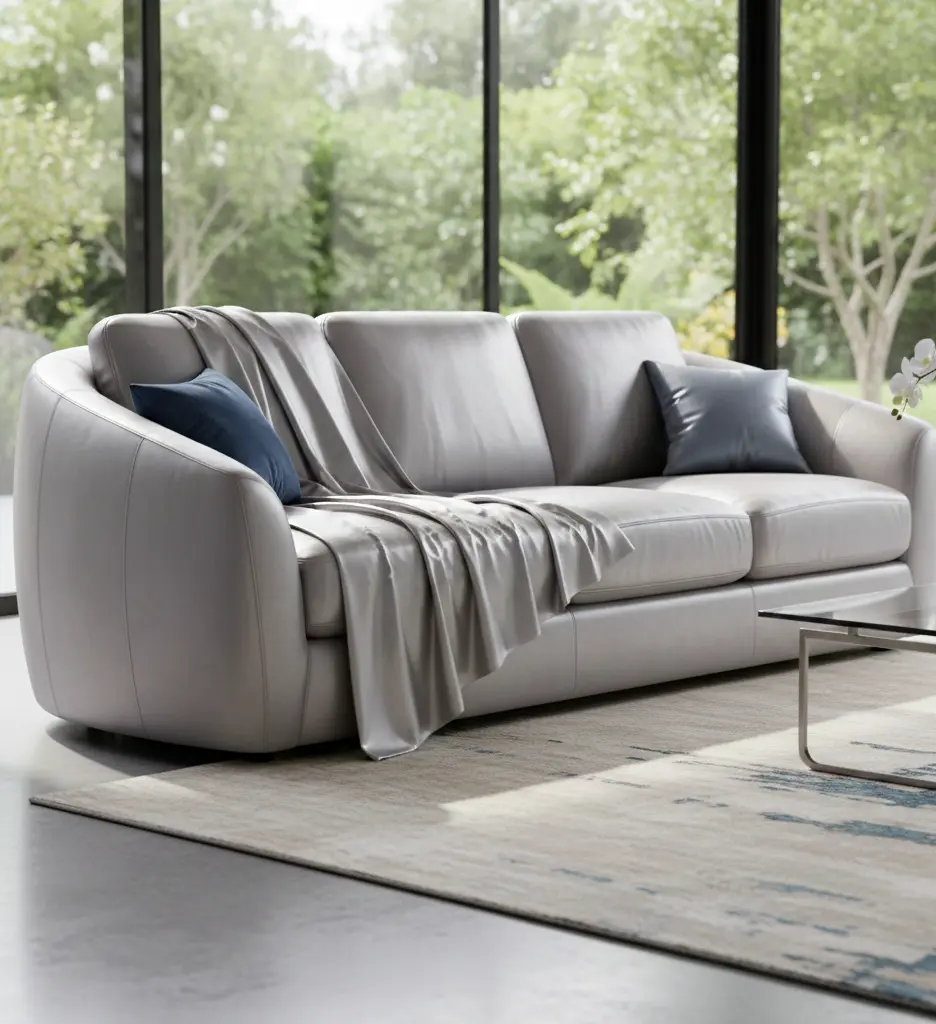
Sofa upholstery
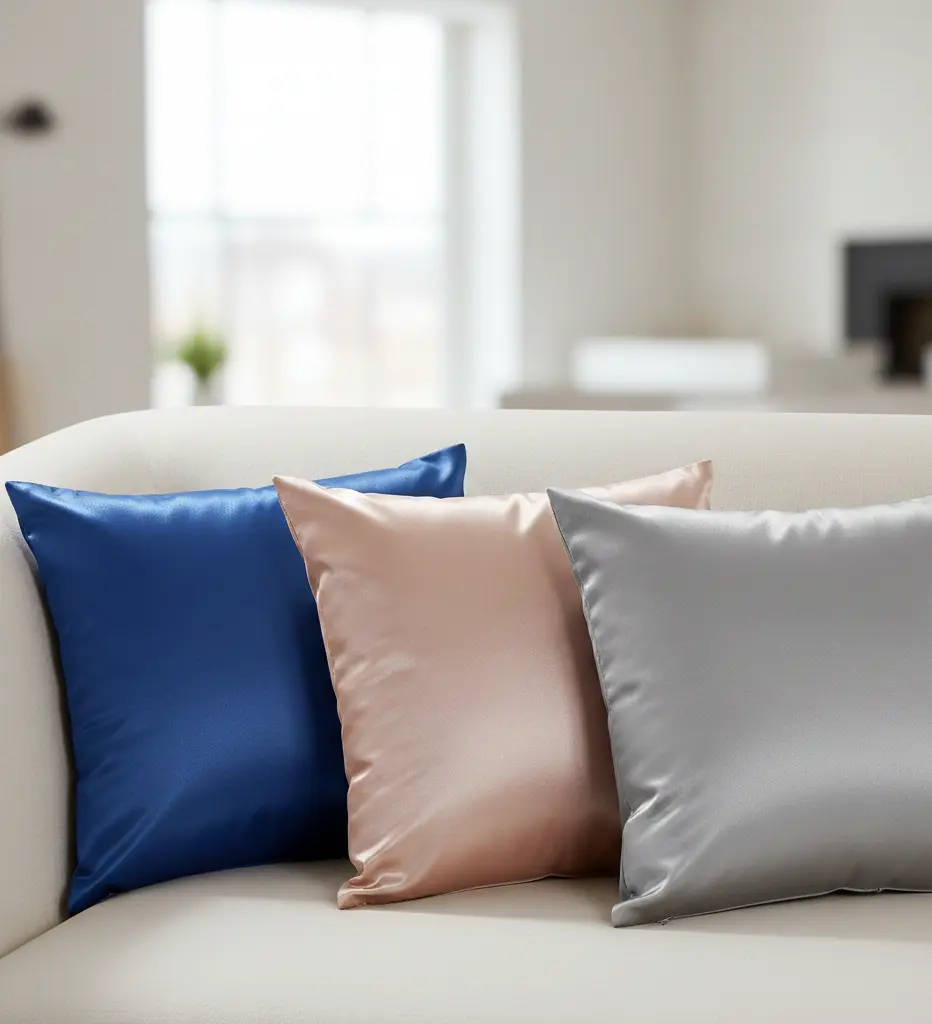
Cushion covers
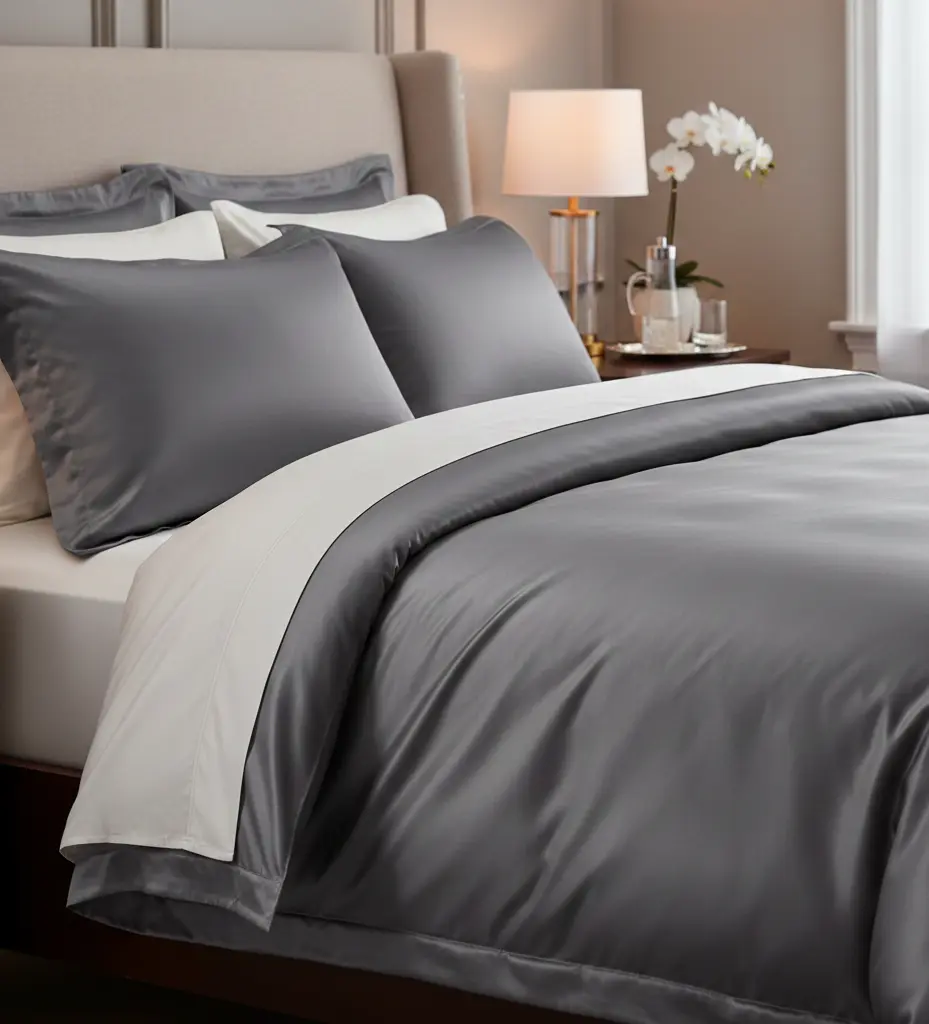
Luxury bedding
Pros & Cons of Satin
Advantages
- Very luxurious look
- Long-lasting (if polyester or nylon)
- High-strength fabric
- Drapes beautifully
- Gorgeous shine
- Skin-friendly (especially silk satin)
- Breathable (silk), affordable (polyester)
Disadvantages
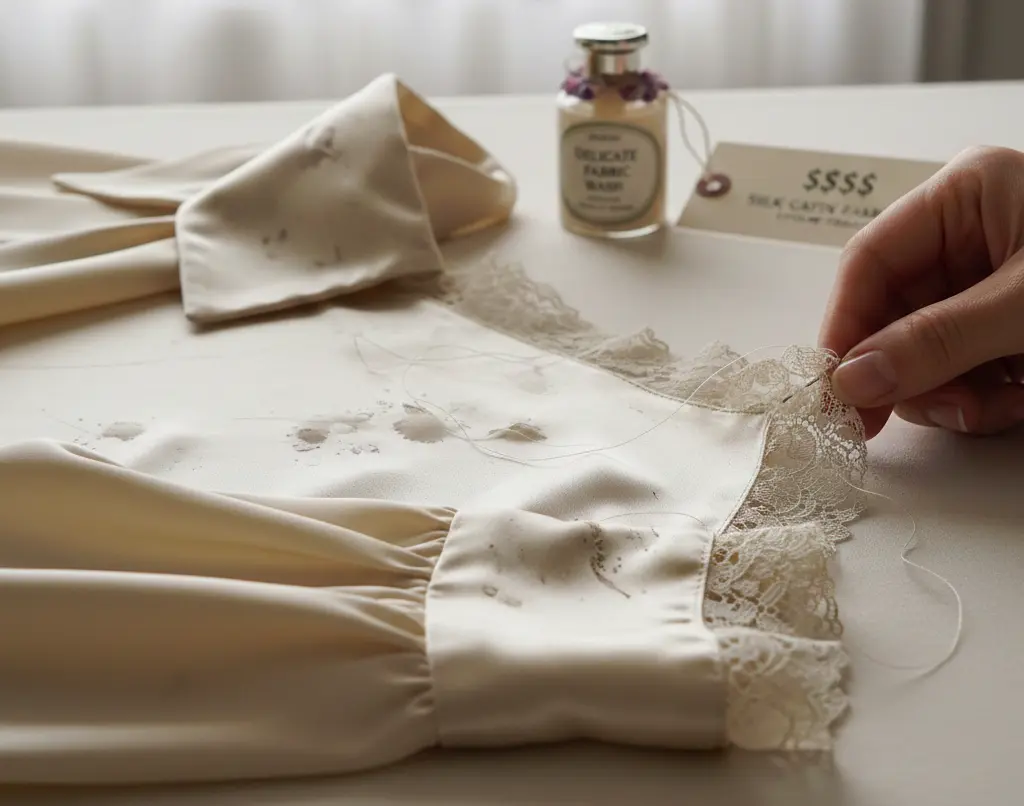
- Snags easily
- Can show sweat/water marks
- Requires gentle washing
- Silk satin is costly
- Slippery while stitching

 and then Add to Home Screen.
